cdocast > How To Produce Casting & Minting Gold Silver Bars
How To Produce Casting & Minting Gold Silver Bars
How to Cast Mint Bar & Casting Bar?
💡 Thinking of entering the gold and silver market? The first step matters more than you think.
When investors set their sights on the precious metals industry, the question we hear most often is:
“I want to start making gold bars. Which machine should I buy?”
It sounds simple. But at CDOCAST, we know this question actually has two very different answers.
Because here’s the truth most new investors don’t realize:
“Making gold bars” and “making gold bars” are not the same thing.
There are two completely different production paths — and choosing the wrong one means investing in equipment that simply won’t work for your business.
Let’s break it down:
🔹 Casting Bars (Cast Bars)
Produced by pouring molten metal into molds.
✅ Faster production
✅ Lower equipment cost
✅ Rustic, traditional appearance
✅ Ideal for small batches or artisan-style bars
🔹 Minting Bars (Minted Bars)
Stamped from pre-rolled sheets using high-pressure presses.
✅ Precision dimensions and sharp edges
✅ Mirror-like finishes
✅ Consistent weight and detail
✅ The standard for investment-grade bars and collectibles
Deep Dive: Casting vs. Minting – Understanding the Two Pillars of Precious Metal Production
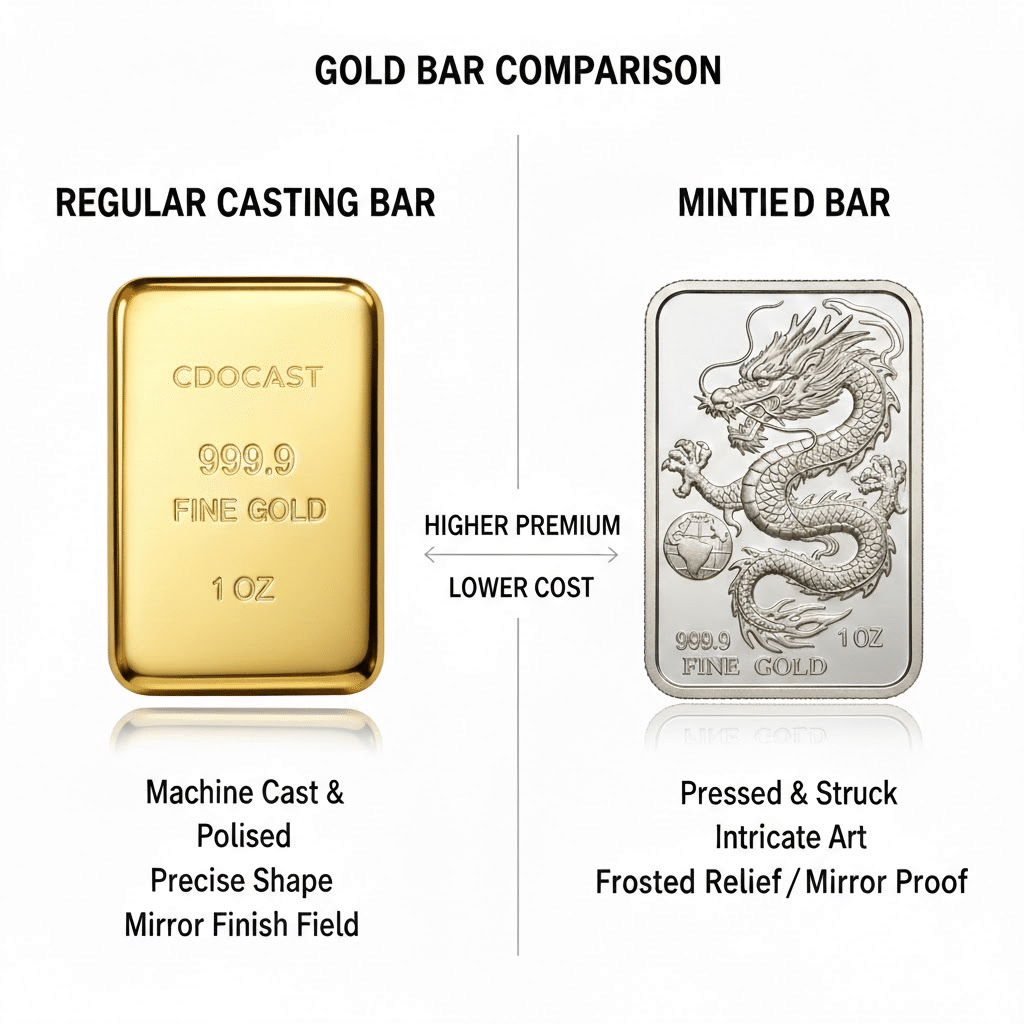
In the world of precious metal manufacturing, gold and silver bullion are generally divided into two categories: Casting Bars, which embody a raw, industrial aesthetic, and Minted Bars/Coins, which pursue extreme precision and artistic detail. While the raw material remains the same, their paths diverge significantly from the very first stage of production
1. Fundamental Differences in Process Logic
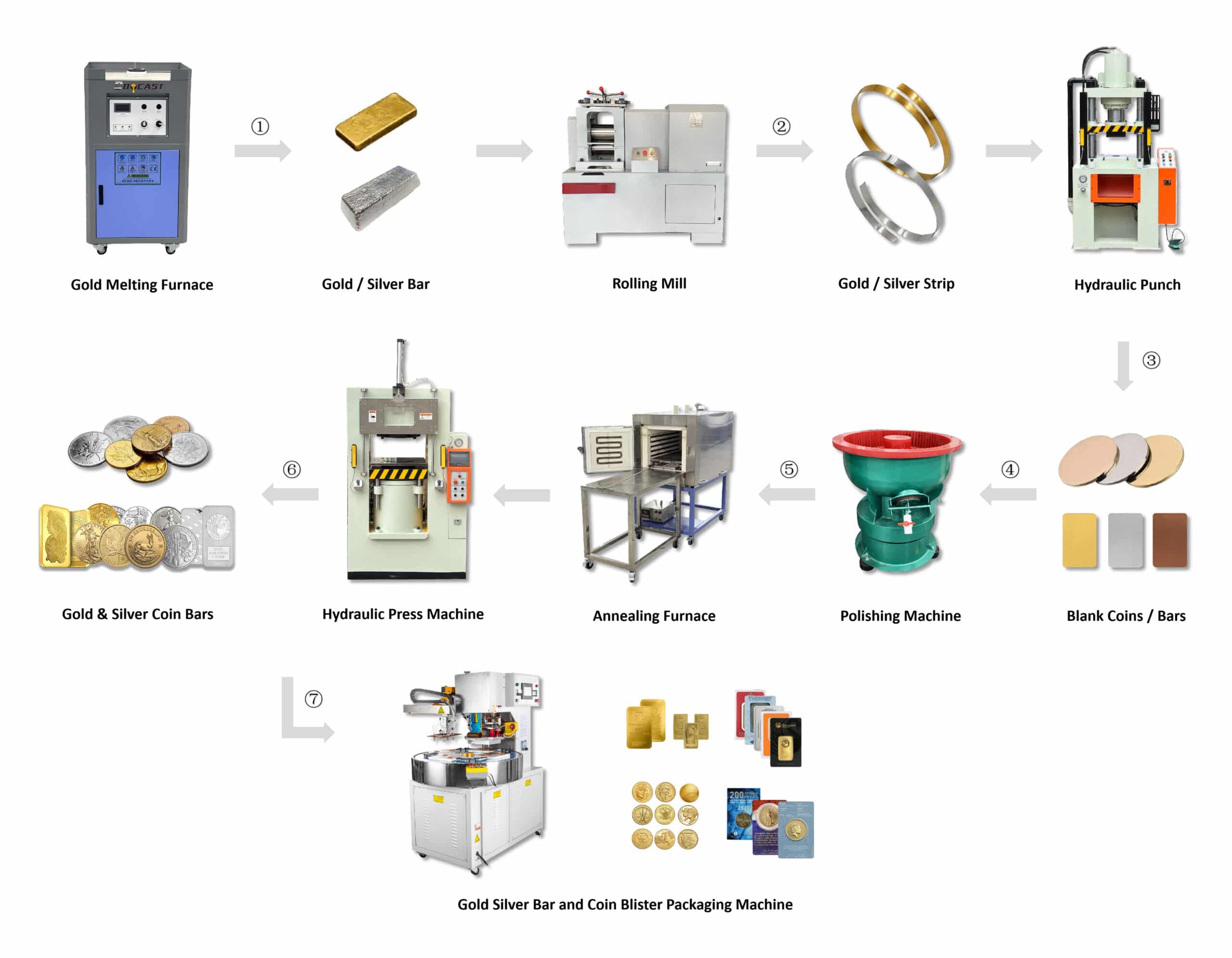
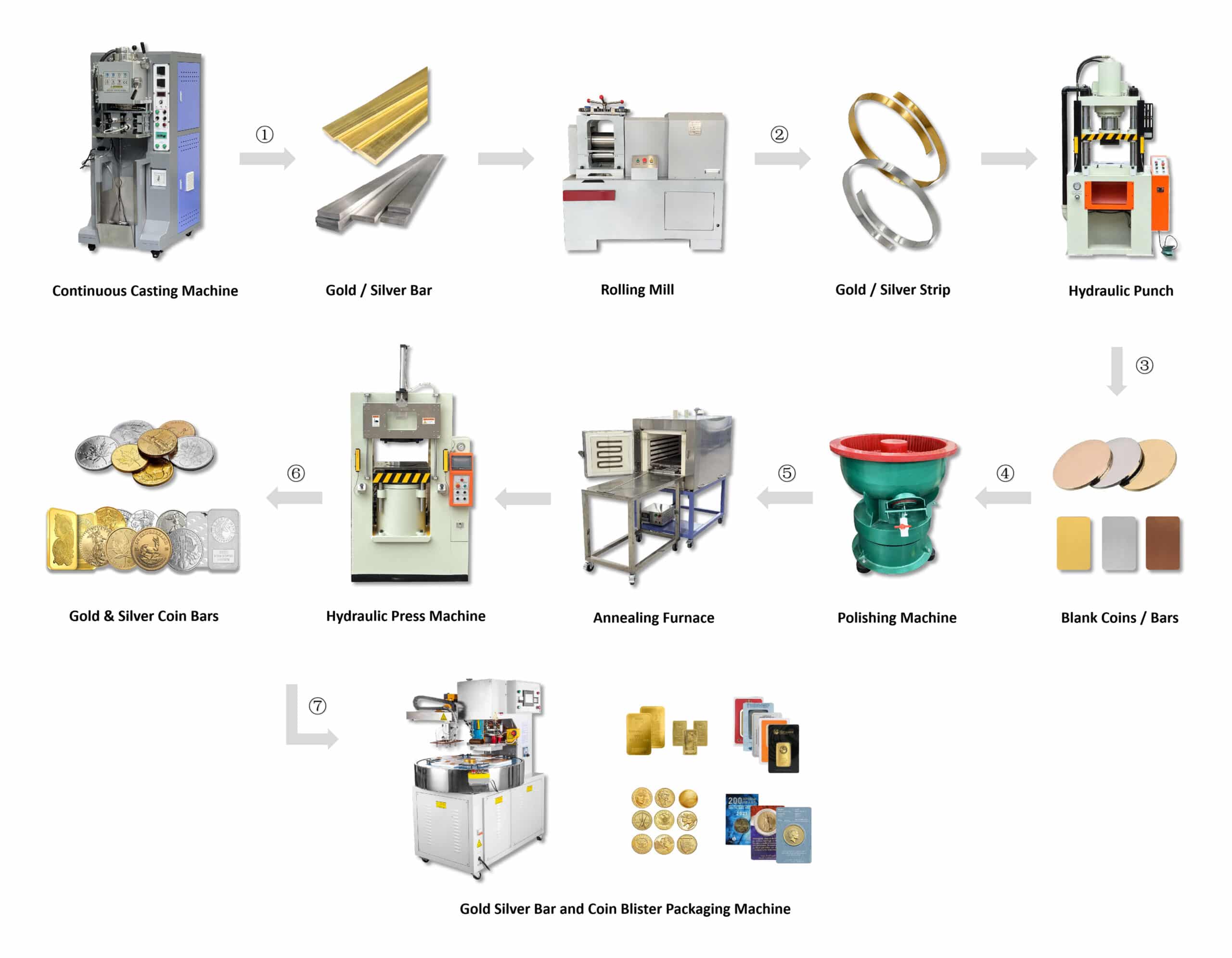
Based on the flowcharts, the core difference lies in how the metal is shaped:
• Casting Process (Thermal Focus): This method prioritizes heat treatment. Metal is melted in a furnace and poured directly into molds to cool. The process is relatively short and preserves the natural solidification textures of the metal.
• Minting Process (Pressure Focus): This method focuses on physical deformation. Metal is first transformed into uniform strips, which are then physically punched and struck to create high-precision designs and patterns.
2. Detailed Production Workflow and Equipment Comparison
Referencing steps ① through ⑦ in the flowcharts, here is a comparison of the equipment used:
Step 1: Melting and Initial Shaping
• Casting Bar (Fig. 1, Step ①): Utilizes a Gold Melting Furnace. Metal is melted via induction heating and poured into pre-heated molds. This produces bars with unique cooling ripples and natural surface textures.
• Minted Bar (Fig. 2, Step ①): Employs a Continuous Casting Machine. Minting requires extreme thickness consistency, so a continuous caster is used to pull out uniform gold/silver plates, which serve as the foundation for all subsequent precision processing.
Step 2: Thickness Control – The Rolling Mill
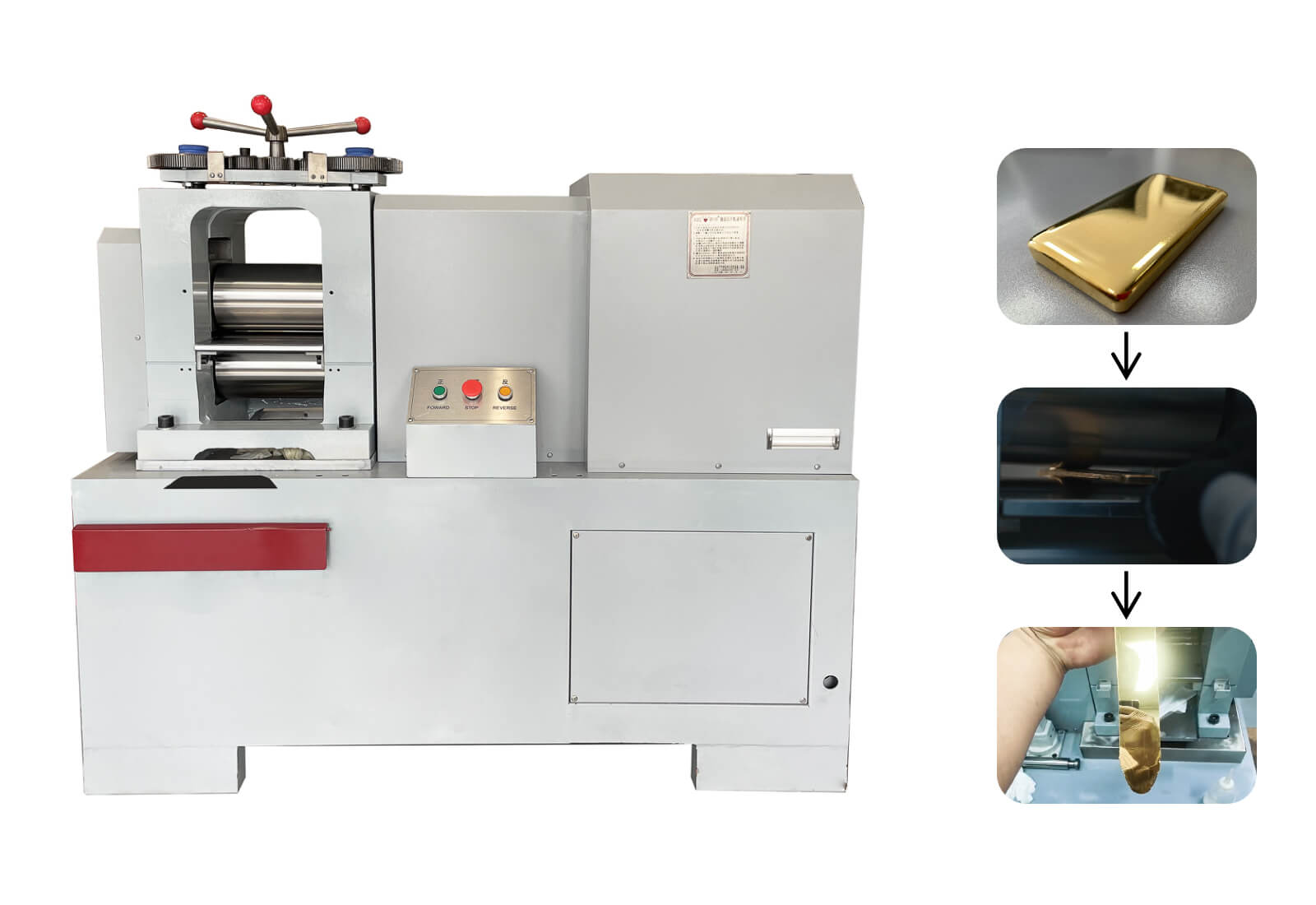
• Minting Process (Step ②): The plates from the continuous caster are often too thick for direct stamping. A Rolling Millis used to repeatedly compress the metal plates into Gold/Silver Strips with micron-level precision.
• Casting Process: This step is not involved, as the bar’s dimensions are determined directly by the mold.
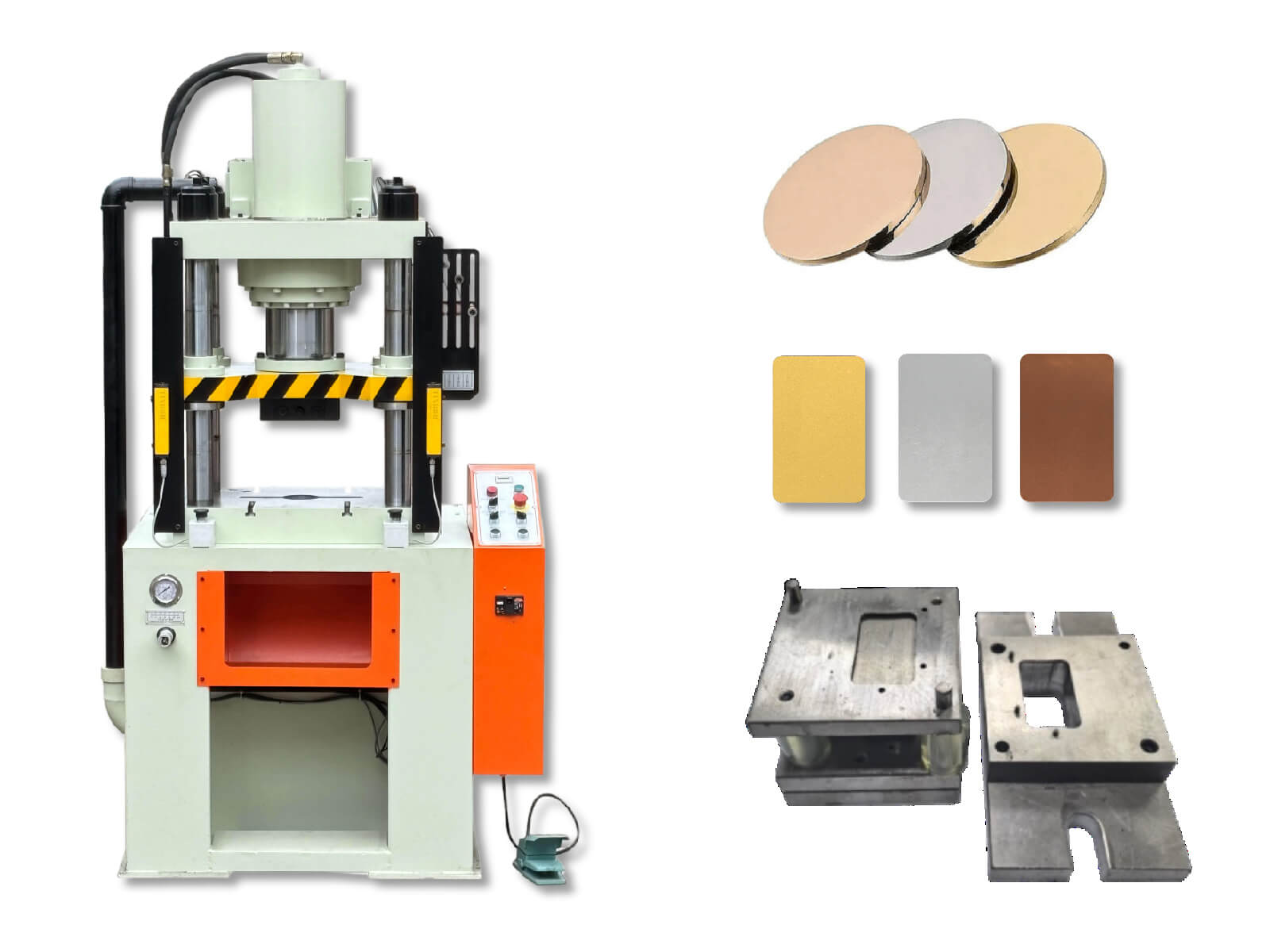
Step 3: Shape Cutting – The Hydraulic Punch
• Minting Process (Step ③): The finished strips enter a Hydraulic Punch. Using precision dies, the machine punches out perfectly shaped Blank Coins/Bars from the strip.
• Casting Process: No equivalent step exists.
Step 4: Surface Treatment and Material Softening
• Polishing Machine (Step ④): For minted products, a polishing machine removes minor imperfections and burrs from the edges of the blanks to achieve a mirror-like or satin finish.
• Annealing Furnace (Step ⑤): During punching, the metal becomes hard and brittle. An Annealing Furnace with a protective atmosphere is used to heat the blanks, eliminating internal stress and softening the metal so it can perfectly capture the intricate details of the final die strike.
Step 5: Final Striking – The Hydraulic Press
• Minting Process (Step ⑥): The softened blanks are placed into a high-tonnage Hydraulic Press Machine. Precision-engraved steel dies strike the metal, instantly embossing brand logos, purity, serial numbers, and artistic reliefs onto the surface.• Casting Process: Text and logos on cast bars are typically added via manual steel stamps or laser marking after cooling, lacking the 3D relief and mirror finish of minted products.
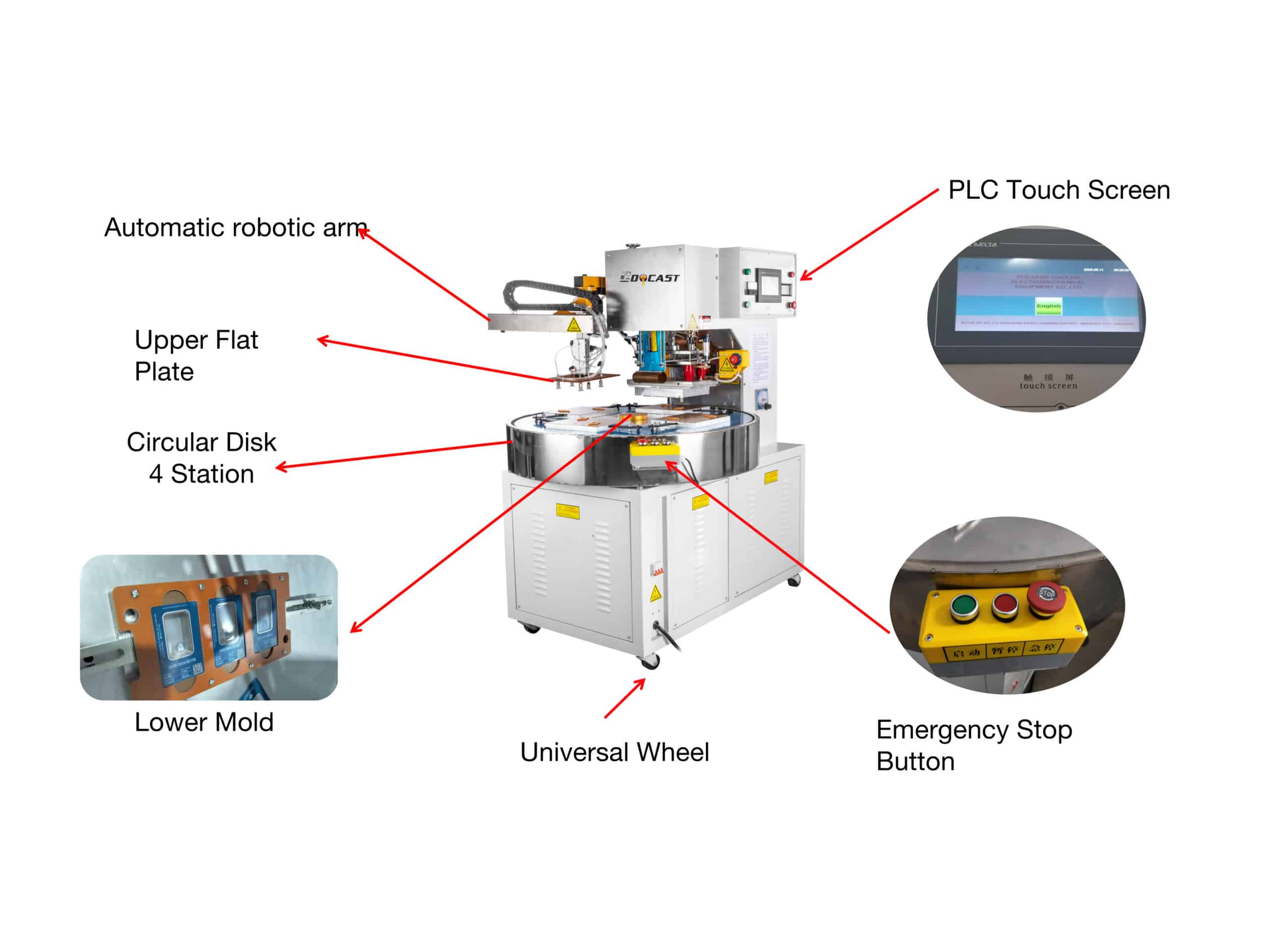
Step 6: Protective Packaging
Flowchart Step ⑦: Both high-end minted coins and cast bars are eventually processed through a Blister Packaging Machine. This seals the products in tamper-evident plastic shells with assay cards, preventing oxidation and ensuring security for secondary market circulation.
3. Equipment Summary Table
Stage
Casting Bar Equipment
Minted Bar/Coin Equipment
Melting & Casting
Gold Melting Furnace
Continuous Casting Machine
Thickness Control
N/A (Direct Mold)
Rolling Mill
Shape Cutting
Cast Iron/Graphite Molds
Hydraulic Punch
Material Softening
N/A
Annealing Furnace
Surface Finishing
Sandblasting or Cleaning
Polishing Machine
Branding/Design
Manual Stamps / Laser
Hydraulic Press Machine (Striking)
Protection
Blister Packaging Machine
Blister Packaging Machine
4. Conclusion: Choosing the Right Solution
As a professional precious metal equipment manufacturer, CDOCAST suggests choosing a production line based on your market goals:
① For Commodity Trading & Bullion Reserves: Choose the Casting Process. It offers lower initial investment, high production efficiency, and handles large volumes of metal quickly.
② For Gift Markets & High-End Collectibles: The Minting Process is essential. While it requires a higher equipment investment (Rolling Mills, Annealing Furnaces, etc.), the resulting products have superior visual impact, weight precision, and higher premium potential.