
How to select a suitable platinum melting furnace?-Buy Platinum Melting Furnace
Platinum Furnace Buyer Guide
How to Select a Suitable Platinum Melting Furnace
Buying a platinum melting furnace is different from choosing a standard gold or silver furnace. Platinum melts at about 1768°C, cools quickly during pouring, and may be difficult to start melting when the raw material is purified platinum powder.
This guide explains how to choose the right platinum induction melting furnace by material form, batch size, pouring method, temperature control, crucible choice and budget.
Direct Answer
Which platinum melting furnace should you buy?
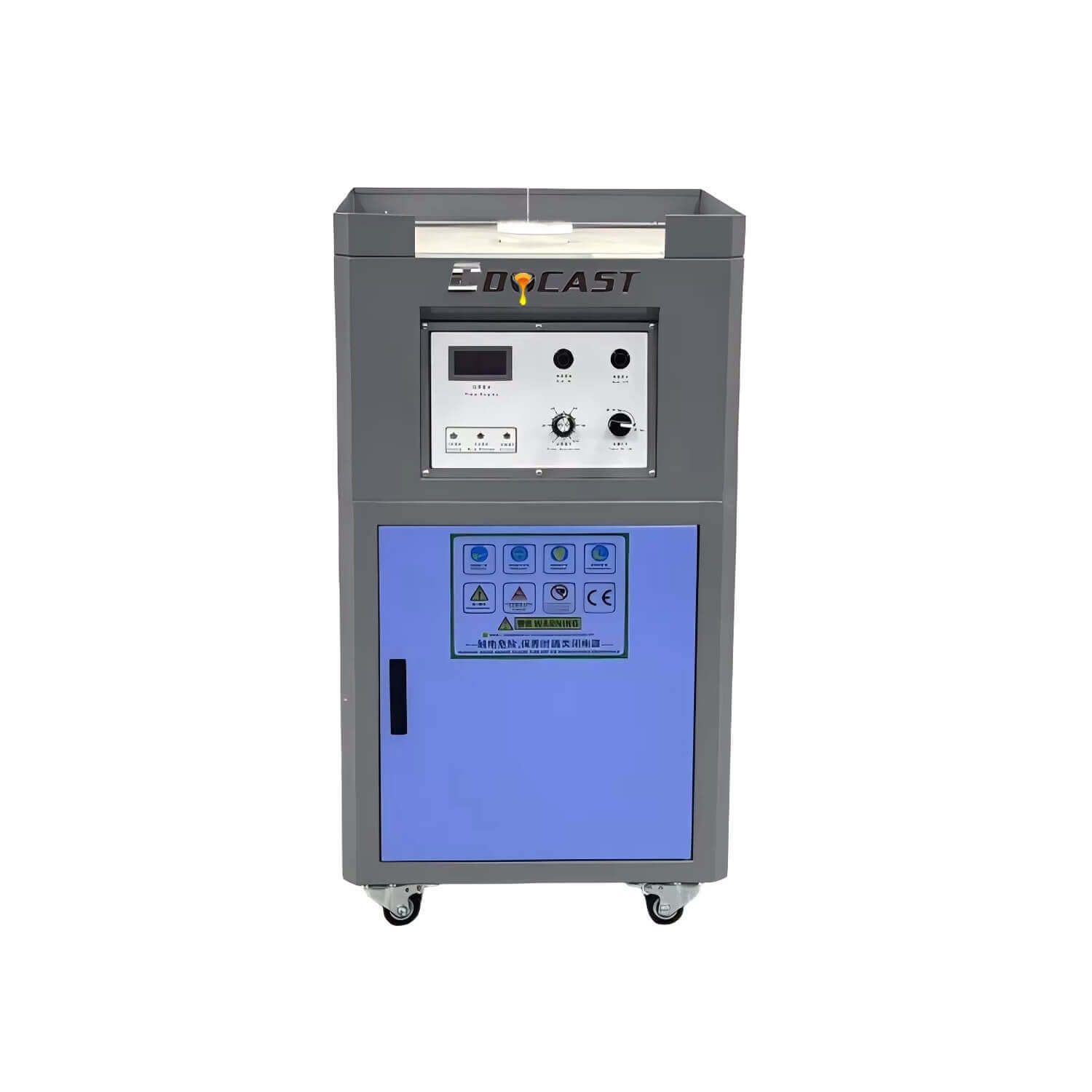
For small jewelry workshops and laboratories, an integrated platinum melting furnace is usually the most practical choice. For larger batches or direct pouring into molds, a manual tilting platinum melting furnace is better. For platinum powder or difficult-to-start material, consider ultra-high frequency induction, pre-compacting the powder, or starting with a small solid platinum piece to improve induction efficiency.
CDOCAST designs platinum melting solutions for jewelry manufacturers, precious metal refineries, catalyst recycling plants, laboratories and small batch platinum casting workshops. The correct model should be selected according to material form, melt weight, pouring method, temperature measurement and whether the operator needs to heat the crucible while pouring.
Selection Workflow
Four checks before choosing a platinum melting machine
Purchasing Advice
Confirm the platinum material form before furnace selection
Platinum is often supplied as powder, sponge, granules, small buttons or solid pieces. Customers should tell CDOCAST the real material shape before choosing the furnace. This is especially important for platinum powder, because loose powder is harder to start melting than solid platinum.
- If the material is platinum powder, the furnace may need a special power supply or more suitable frequency for better melting performance.
- If the material is solid platinum or platinum alloy, the selection can focus more on capacity, pouring method and temperature control.
- If the material is mixed recycled platinum, confirm whether pre-treatment, analysis or pelletizing is needed before melting.
Crucible choice for platinum melting
Platinum melting crucibles are commonly quartz crucibles or zirconia crucibles. For projects with very strict material purity requirements, zirconia crucibles are usually preferred because they reduce contamination risk.
- Quartz crucible: more common and more economical for many platinum melting applications.
- Zirconia crucible: better when purity requirements are very high, but it is expensive and can crack easily.
- The best choice depends on material purity requirement, budget, melt frequency and acceptable crucible life.
Why platinum needs specialized melting equipment
Platinum has a melting point of about 1768°C, much higher than gold and silver. A normal low-temperature melting furnace may reach the number on paper but still fail to provide stable heating, fast melting and reliable pouring in real production.
- Platinum needs higher furnace power and stable induction heating.
- Temperature measurement should be accurate enough to avoid overheating or incomplete melting.
- The crucible and insulation must handle high-temperature platinum service; quartz and zirconia crucibles should be selected according to purity requirements.
- Fast cooling during pouring can cause platinum to stick or solidify too early.
How induction heating helps
A platinum induction melting furnace heats the metal by electromagnetic induction. The current is generated inside the platinum or alloy material, helping the melt become faster and more uniform than external resistance heating.
For production buyers, this means faster melt cycles, lower metal loss, cleaner operation and better control when melting platinum alloys for jewelry, catalyst recycling, dental alloy, electronics or laboratory work.
Platinum Powder
How to melt purified platinum powder more reliably

Platinum powder is difficult because it has low initial bulk conductivity and many air gaps. A standard medium-frequency furnace may struggle to start the melt, especially when the powder is very fine or loosely packed. If your platinum is powder, tell the supplier before ordering so the machine can use a more suitable power supply and frequency configuration.
- Ultra-high frequency option: better for starting small powder batches.
- Solid leading method: add a small piece of solid platinum as a heating seed.
- Pre-compaction: press platinum powder into pellets before melting.
- Clean crucible loading: avoid loose powder flying, contamination or uneven heating.
Model Selection
Platinum melting furnace models and when to choose them
| Model type | Typical capacity | Best for | Important buying note |
|---|---|---|---|
| Integrated platinum melting furnace | 500 g - 15 kg | Jewelry workshops, labs and small batch platinum alloy melting. | Compact, easy to operate and suitable when pouring is not too heavy. |
| Manual tilting platinum furnace | 1 kg - 30 kg | Larger batches and direct pouring into graphite or ceramic molds. | Better pouring control than lifting the crucible manually. |
| Handheld platinum melting machine | Small batch | Small platinum buttons, jewelry work and fast cooling materials. | The operator can heat while pouring to reduce sticking and early solidification. |
| Vacuum induction melting furnace | Project based | High-purity platinum alloy research, oxygen-sensitive alloy work and laboratory applications. | Choose when atmosphere control is more important than simple open-air melting. |
Product Details
Key platinum melting furnace features to compare


Related CDOCAST Pages
Useful pages for platinum and high-temperature precious metal melting
Visible FAQ
Platinum melting furnace questions
Why cannot I use a normal gold melting furnace for platinum?
Platinum melts at about 1768°C, far higher than gold. A normal furnace may not provide enough stable power, temperature control or crucible life for repeated platinum melting.
What is the best way to melt platinum powder?
For platinum powder, ultra-high frequency induction or a special power supply is better. If budget is limited, pre-compact the powder or start with a small solid platinum piece to improve induction heating. Always tell the supplier in advance if the material is powder.
Why is handheld platinum melting useful?
Platinum cools quickly. A handheld type allows the operator to keep heating the crucible while pouring, reducing sticking at the bottom and improving small batch pouring.
Should I choose quartz or zirconia crucible for platinum?
Quartz crucibles are more economical for many applications. Zirconia crucibles are better for very strict purity requirements, but they are expensive and crack more easily, so the choice should follow the customer's purity requirement and budget.
Best practice summary
- Choose by material form first: solid platinum, platinum alloy, sponge platinum or platinum powder.
- Tell the supplier in advance if the platinum is powder, because powder may need a special power supply for better melting.
- Use enough power and suitable frequency for the actual melt weight.
- For platinum powder, consider ultra-high frequency, solid leading or pre-compaction.
- For direct pouring, choose tilting or handheld heating style to reduce cooling problems.
- Use quartz crucibles for economical applications and zirconia crucibles when material purity requirements are very high.
- Use infrared temperature control and proper crucibles for high-temperature platinum work.
Project Inquiry
Send your platinum material, capacity and pouring method
For faster support, send the material form, purity, target melt weight, whether you melt powder or solid metal, required temperature control, crucible type, pouring method and workshop voltage.