
How To Select A Suitable Jewellery Casting Machine?
How To Select A Suitable Jewellery Casting Machine?
Choosing a jewellery casting machine should start from the real casting requirement: material, jewelry style, flask size, casting capacity, operation method, budget and technical support. Different casting machines may look similar, but their vacuum ability, pressure function, protective gas design and automation level can be very different.

Information Buyers Should Confirm Before Purchasing
Before purchasing a jewellery casting machine, provide your production details as clearly as possible. This helps the supplier recommend the correct equipment instead of only quoting a general model.
Different materials have different melting temperatures and fluidity. For high-temperature or thin jewelry casting, the thermocouple and casting machine configuration may need to be upgraded.
Thin parts, fine patterns and complex wax trees require better metal flow, stronger vacuum and more stable pressure support.
Capacity should be checked by steel flask size, wax tree height and metal weight per batch, not only by the nominal kilogram value.
Button operation is simple, while touch screen PLC control is better for storing repeatable casting parameters and training new operators.
Low-cost machines can be useful for simple casting, but high-detail jewelry usually needs better vacuum, pressure and protective gas control.
Jewelry casting requires process adjustment after installation. A supplier with training, spare parts and troubleshooting support is important.
Main Types of Jewellery Casting Machines
Most jewellery workshops compare three practical choices: manual casting machines, semi-automatic vacuum pressure casting machines and automatic vacuum pressure jewellery casting machines. The correct choice depends on material, jewellery detail, flask size, daily output and operator experience.
1. Manual / Simple One-piece Casting Machine
A manual one-piece casting machine is the basic choice for entry-level lost wax jewellery casting. It usually combines vacuuming and casting in a compact body, so the price is lower and the footprint is small. Common chamber capacities are 2L and 4L, with flask sizes such as 3 x 6 inches and 110V or 220V power options.
This type is suitable when the jewellery structure is simple and the operator can control melting, pouring time and flask preparation by experience. It is not the best choice for very thin rings, fine hollow jewellery or high-value repeat production where stable vacuum pressure control is important.

2. Semi-automatic Vacuum Pressure Casting Machine
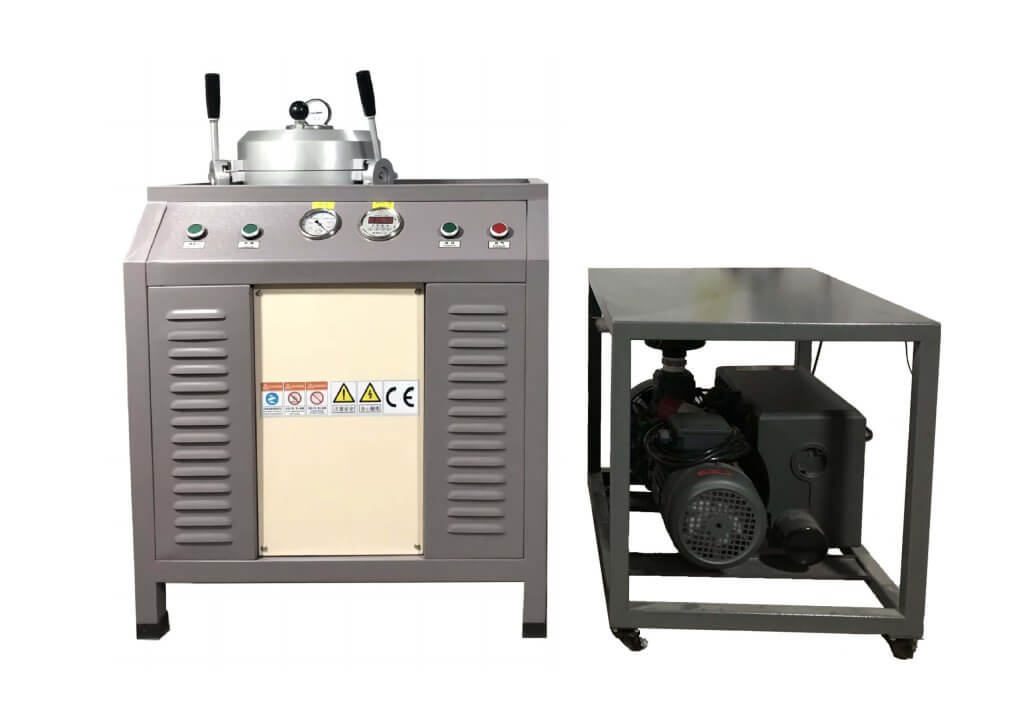
A semi-automatic vacuum pressure casting machine separates the melting step from the casting chamber. The operator melts the metal in a separate melting furnace, then pours the molten metal into the casting machine so vacuum and pressure can help fill the gypsum mold.
This structure is more flexible than a manual one-piece machine and can be useful for silver, copper and common jewellery alloy casting. CDOCAST semi-automatic casting machines can be designed with single chamber, double chamber or multiple casting chambers according to flask size and production output.
3. Automatic Vacuum Pressure Casting Machine
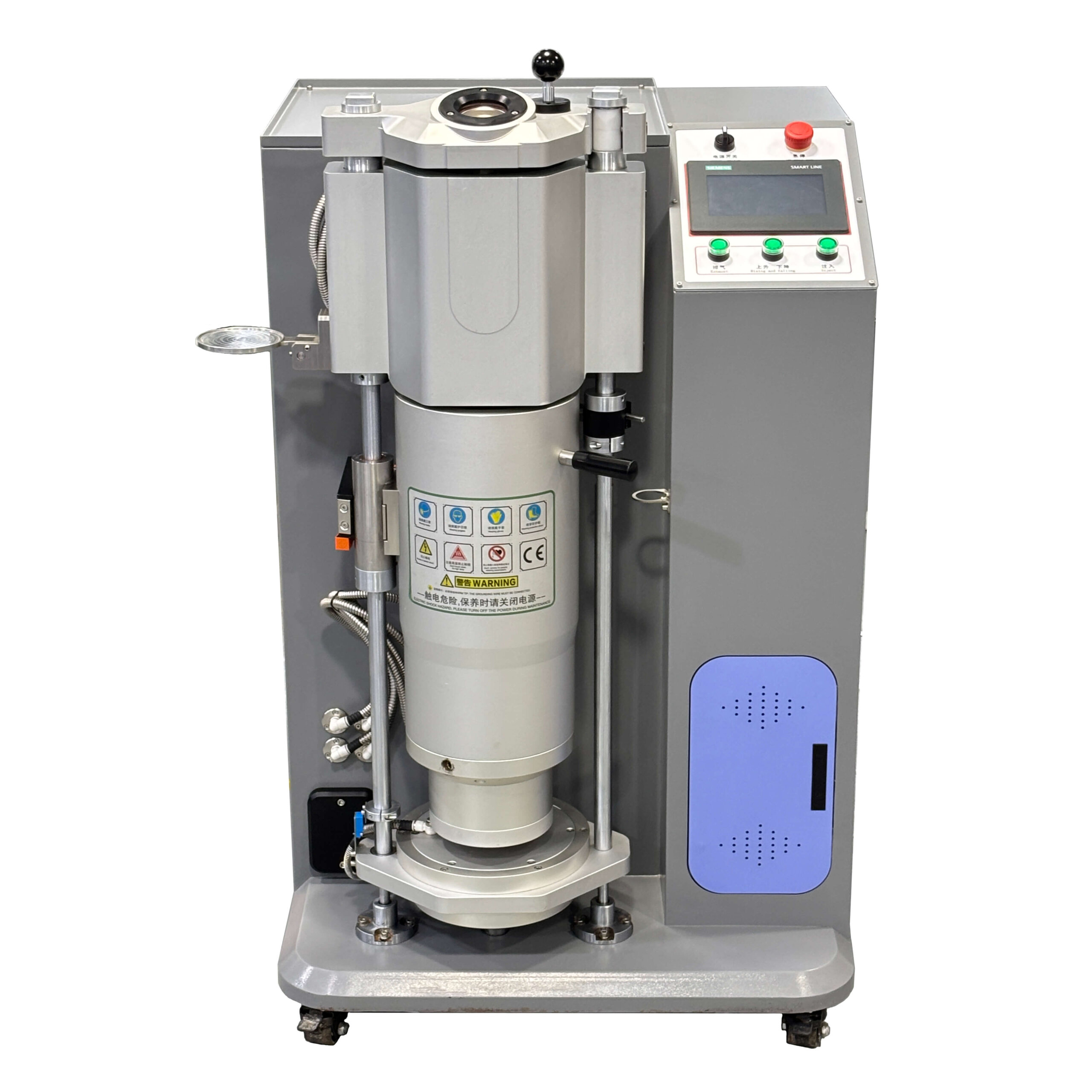
An automatic vacuum pressure casting machine integrates melting and casting in one system. This does not mean no operator is needed, but it greatly reduces manual pouring risk. The operator can set melting temperature, vacuum level, pressure, protective gas and casting timing through the control panel.
For CDOCAST automatic jewellery casting machines, common choices include 1kg, 2kg and 4kg models. The 1kg model is suitable for compact production and can use a 4 x 5 inch flask. Larger 2kg and 4kg models can hold larger flasks such as 5 x 10 inches. Siemens touch screen and PLC control help workshops store repeatable casting parameters for gold jewelry, K gold jewelry and silver jewelry production.

When Should Buyers Choose the Upgraded Aluminum Chamber Design?
The upgraded automatic casting machine uses an all-aluminum chamber and an integrated cylinder design. The front and back opening structure can provide better sealing than the traditional upper and lower opening design, which helps improve vacuum stability and pressure performance.
This design is especially useful when customers need to cast thin jewelry sections, fancy jewelry, hollow designs or products with demanding detail. For jewelry thickness such as 0.3mm, 0.2mm or even 0.1mm, the casting machine must provide better metal fluidity, accurate temperature measurement and stronger filling ability.
- R-type or S-type thermocouples may be considered for higher temperature casting requirements.
- Better vacuum and pressure performance helps molten metal fill detailed gypsum molds.
- Protective gas can reduce oxidation during gold, silver and K gold jewelry casting.
Jewellery Casting Machine Comparison for Buyers
| Machine Type | Best Use | Main Advantage | Important Limitation |
|---|---|---|---|
| Manual / one-piece casting machine | Simple jewelry, school, laboratory and small repair workshop. | Low price, small size, simple setup and 110V or 220V options. | Weak vacuum, no pressure function, no protective gas and lower output. |
| Semi-automatic vacuum pressure casting machine | Silver, copper and common jewelry alloy casting with experienced workers. | Better output and more flexible chamber design than compact machines. | Separate melting and manual pouring are still required; casting quality depends on operator skill. |
| Automatic vacuum pressure jewelry casting machine | Gold, silver, K gold and detailed jewelry casting with repeat orders. | Integrated melting and casting, PLC control, protective gas and stronger vacuum pump. | Higher price and usually needs water chiller, correct parameter setting and regular maintenance. |
| Vacuum centrifugal casting machine | Platinum jewelry and high melting point alloy casting. | Stronger filling force for platinum and fine high-temperature jewelry patterns. | Should be selected separately from normal gold and silver vacuum pressure casting. |
Practical Recommendation
If your product is simple silver or copper jewelry and your workers are experienced, a semi-automatic vacuum pressure casting machine can be cost-effective. If you produce gold, K gold or detailed jewelry and need more stable repeat production, an automatic vacuum pressure jewelry casting machine is a safer long-term choice. If your main material is platinum, consider a vacuum centrifugal casting machine instead of a standard jewelry vacuum casting machine.
Related CDOCAST Pages
FAQ About How to Select a Jewellery Casting Machine
What information should I provide before buying a jewellery casting machine?
Provide your casting material, jewelry style, flask size, casting weight, daily output, automation requirement and budget. Photos or drawings of your jewelry designs are also helpful.
Is a one-piece casting machine enough for gold jewelry casting?
It can be used for simple small work, but for detailed gold jewelry, K gold jewelry or thin casting sections, automatic vacuum pressure casting with stronger vacuum and pressure control is usually more stable.
Why does thin jewelry need better casting equipment?
Thin jewelry requires better metal fluidity and faster filling. Higher melting temperature, accurate thermocouple selection, stable vacuum and pressure support can help reduce incomplete filling.
Can the same machine cast gold, silver and copper?
Many vacuum pressure jewelry casting machines can cast gold, silver and copper alloys, but parameters, crucible practice and cleaning should be adjusted to avoid oxidation and material contamination.
Should platinum use a normal vacuum pressure jewelry casting machine?
Platinum has a much higher melting point and different filling behavior. For platinum jewelry, a vacuum centrifugal casting machine is usually the better choice.
Useful for goldsmiths, jewelry factories and lost wax casting workshops.