
Purity 999-Silver refinery machine
How a Silver Refinery Machine Refines Silver to 999 or 9999 Purity
A silver refinery machine is mainly used for electrolytic silver refining, silver electrolysis refining and silver refining by electrolysis. High-silver raw material is cast into anode plates or loaded into the anode basket and refined in a silver nitrate electrolyte. The process separates high-purity silver powder or silver crystal on the cathode, while gold, palladium, platinum and other insoluble precious metals remain in the anode slime for further recovery.
10kg silver refining machine reference parameters
Based on a 10kg silver electrolysis machine operating manual, the following parameters can be used as a practical reference when discussing a small silver refinery machine. Final specifications should still be confirmed according to the actual raw material, electrolyte design and customer workshop conditions.
What raw material is suitable for silver electrolysis refining?
Silver electrolysis refining is not designed for every kind of low-grade scrap directly. As a practical buying rule, silver-bearing waste material above 70% silver content is more suitable for the silver electrolysis method, while compact 10kg silver refining machines work more stably with 925+ silver material. The lower the silver purity, the faster the electrolyte becomes contaminated; very low-purity material may not reach 9999 silver in one cycle and may require secondary silver electrolysis after filtration or pre-treatment.
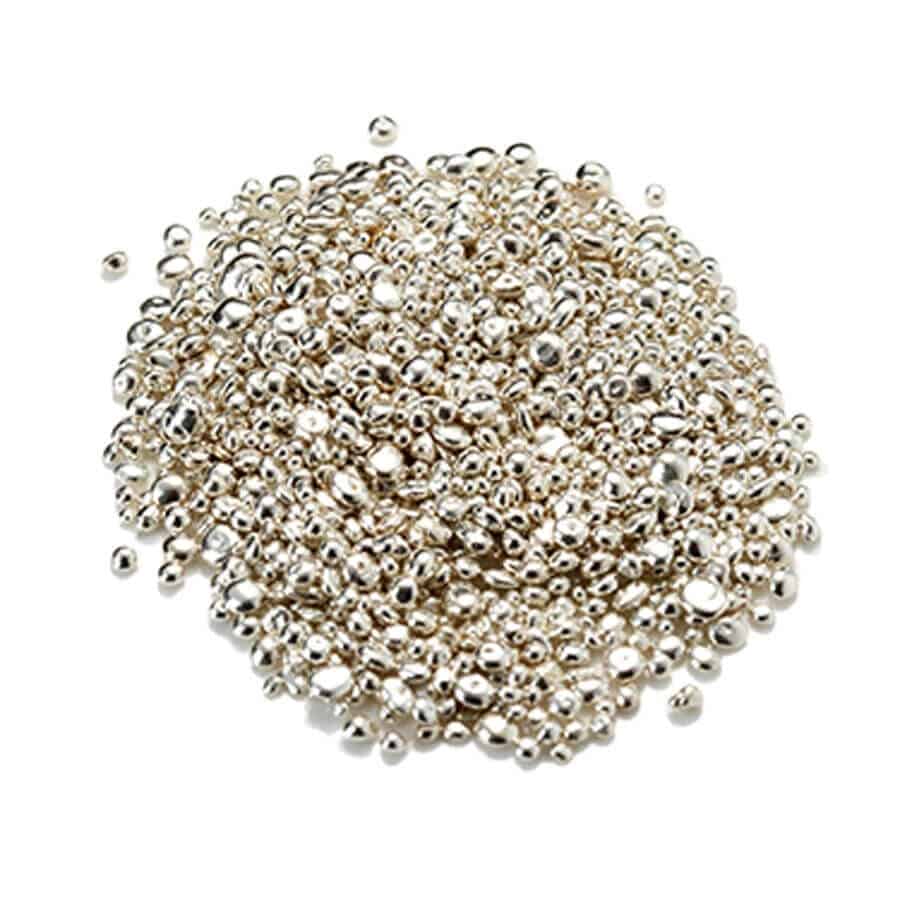
For buyers, the most important step before choosing a silver refining machine is to explain the raw material source clearly: silver jewelry scrap, silver contacts, silver anode plates, dore silver, silver powder, silver mud, recycled silver alloy or silver granules for silver electrolytic refining. Different feed materials require different pre-treatment, anode casting and electrolyte management.
Silver electrolytic refining process
High-silver material is melted and prepared as anode material or cut into suitable pieces for the titanium anode basket.
The electrolyte is usually based on silver nitrate and nitric acid. Concentration, acidity and temperature must be controlled during operation.
Silver dissolves from the anode and deposits on the cathode as high-purity silver crystal or silver powder.
The refined silver crystal or silver powder is collected regularly, washed with purified water, dried and then melted into silver bars or granules.

Main parts of a silver refinery machine
A complete silver electrolysis unit is not only an electrolytic tank. It is a refining system designed to control current density, electrolyte circulation, silver crystal collection, electrolyte filtration, acid mist handling and wastewater recovery. For smaller 10kg units, a rotating titanium cathode barrel and titanium anode basket can help collect silver crystal more conveniently.
Important technical correction: silver electrolysis is different from aqua regia refining
Silver electrolytic refining is usually used when the material already contains a high proportion of silver and can be prepared as anode plates or suitable feed for the anode basket. It is not the best first step for low-grade mixed scrap. Low-grade material often needs melting, chemical pre-treatment, separation or assay adjustment before entering the electrolysis system.
During silver refining, operators must also consider nitric acid use, silver nitrate electrolyte, acid mist, wastewater and anode slime recovery. Gold and platinum group metals do not disappear; they are usually concentrated in the anode slime and should be collected for further precious metal recovery.
The silver refining system flow may include first electrolysis, electrolyte filtration, secondary electrolysis, silver powder recovery, wastewater treatment and final melting. If the feed purity is too low, the electrolyte deteriorates faster and the refinery may need a second refining cycle to reach four nines silver purity.
In a complete silver electrolysis system, used electrolyte and rinse water should not be discharged directly. The process can include electrolyte filtration, silver chloride precipitation, reduction recovery, filter press separation and final melting of recovered silver powder. This is the treatment route for waste electrolyte and silver-bearing wastewater, helping reduce silver loss while keeping the refining workshop easier to manage.

50kg silver refinery machine for workshops that need higher daily silver electrolysis output than a compact 10kg unit.

100kg silver electrolytic refining system for larger refineries processing suitable high-silver feed material.
Operation notes from the 10kg silver electrolysis manual

Silver electrolysis equipment should be selected according to daily output, anode size, electrolyte volume and silver powder discharge method.

A practical silver refinery machine must support stable current, electrolyte filtration, cathode silver collection, waste electrolyte treatment and safe acid mist extraction.
How to choose a silver refinery machine
Related CDOCAST pages
These internal links help buyers understand the complete precious metal refining and casting workflow.
Precious Metal Electrolytic Refining Equipment Precious Metal Aqua Regia Refining Equipment Silver Melting FurnaceRequest a refining solution
Send CDOCAST your silver content, impurity list, required purity, daily capacity and available workshop layout. We can suggest a suitable silver electrolysis unit and downstream melting or casting equipment.
Contact CDOCASTFAQ about silver refinery machines
Usually no. Low-grade or mixed scrap should be pre-treated first. Silver electrolysis works best when the material can be cast into stable high-silver anode plates.
With suitable raw material, electrolyte control and washing process, silver electrolysis can produce high-purity silver such as 999 or 9999 silver, but the final purity depends on feed quality and operation control.
Most insoluble precious metals remain in the anode slime. This anode slime should be collected and processed separately for gold, palladium or platinum recovery.
Lower-purity feed introduces more impurity ions into the electrolyte, so the solution becomes unstable faster. If one electrolysis cycle cannot reach 9999 silver, the material or filtered electrolyte may need secondary silver electrolysis and additional recovery treatment.
Silver-bearing waste electrolyte can be filtered and treated to recover silver as silver chloride, then reduced and separated as silver powder before melting. This treatment helps recover remaining silver from wastewater instead of losing it with discharged liquid.