
Gold Silver Coin Minting Machine
Gold silver coin minting machine guide
Gold Silver Coin Minting Machine: complete process for coins, bullion bars, dies and packaging
This guide keeps the original article direction: why gold and silver coins are valuable, how bullion bars are produced, how coin blanks are made, and how to choose a complete gold silver coin minting machine line. The goal is to help buyers understand the full process before selecting a hydraulic press, rolling mill, punching machine, minting dies, and packaging equipment.

Gold and silver coin minting is a complete line, not only one hydraulic press.
Watch coin minting videoSee how the gold and silver coin minting line works.Why mint gold and silver coins?
Gold and silver have long been regarded as safe-haven assets, especially during economic uncertainty, political instability, inflation, or currency devaluation. Compared with stocks, real estate, and other financial products, precious metals are easier for many buyers to understand and preserve.
Precious metals can be made into jewelry, bullion bars, and coins. Among these forms, gold and silver coins are popular because they combine metal value, limited mintage, recognizable design, collectible value, and convenient circulation.
Key advantages of gold and silver coins
- Safety: globally recognized precious metal products are widely accepted as a store of value.
- Liquidity: standard bullion coins can be traded more easily than unbranded raw material.
- Stability: gold and silver often remain attractive when paper currency confidence drops.
- Scarcity: limited supply, limited mintage, and collectible themes can increase product premium.
- Investment potential: good minting quality, clean packaging, and clear brand information help improve resale confidence.

Finished coins need accurate weight, clean surface, sharp pattern, and protective packaging.
Article structure for buyers
The original article covered five important chapters. This version keeps those chapters but makes the reading order clearer.
Chapter I: Introduction to coins
Historical development, coin types, bullion coins, commemorative coins, and why they carry value beyond raw metal.
Chapter II: Bullion bar production
Vacuum gold silver bullion casting machine, mirror surface bars, hydraulic logo stamping, and branded bullion preparation.
Chapter III: Coin minting process
Gold silver strip casting, rolling mill treatment, coin blank punching, annealing, polishing, embossing, inspection, and packaging.
Chapter IV: Purchase guide
How to choose equipment based on product type, material purity, output, automation, mold, dies, and training support.
Chapter V: Conclusion
A modern coin minting line improves production efficiency, product consistency, and finished market value.
CDOCAST support
Turnkey machine selection, custom dies, videos, manuals, commissioning guidance, and final packaging suggestions.
Chapter I: introduction to gold and silver coins
Gold and silver coins are not only financial assets but also useful products for wealth preservation, brand presentation, and collectible markets. Their value can come from metal content, coin theme, minting technology, rarity, limited mintage, and buyer confidence.
Historical development and common coin types
Popular gold and silver coins traded worldwide include South African Krugerrand, British Britannia, Canadian Maple Leaf, American Eagle, American Buffalo, Mexican Gold Peso, and Chinese Panda coins. Commemorative coins, especially limited editions, often carry higher premiums because of design, craftmanship, and scarcity.
Krugerrand-style bullion coin
A classic bullion coin type, often known for 22K alloy durability and strong recognition in the investment market.
Maple Leaf-style pure gold coin
Known for high purity, clean surface, detailed pattern, and strict weight and diameter requirements.
Panda-style commemorative coin
Often valued for annual design changes, collectible themes, and high-quality surface effect.
Chapter II: the production process of gold and silver bullion
The original article explained bullion production because many factories produce both bullion bars and coins. This section should stay, but it must be clearly separated from the coin minting route.
Complete bullion route: cutting, granulating, drying, casting, stamping, and packaging
Gold and silver bullion bar production does not begin at the casting machine. A practical refinery route usually starts with preparing raw material, then moves into vacuum casting, logo stamping, inspection, and final packaging. This keeps the bullion process separate from coin blank production.
Vacuum bullion casting advantages
- PLC and Siemens touchscreen control for repeatable operation.
- Vacuum or inert gas protection to reduce oxidation and metal loss.
- Mirror-finish surface that reduces heavy post-casting polishing.
- Water cooling alarms, over-current protection, and over-voltage protection.
- Industrial-grade structure for refineries and bullion factories.

Bullion bar production uses cutting, granulating, drying, vacuum casting, stamping, inspection, and packaging.
Watch bullion casting videoSee the gold and silver bullion casting process before comparing it with coin minting.Chapter III: gold and silver coin minting process
Coin production is more complex than bullion casting. The route is strip casting, rolling, annealing, blank punching, cleaning, polishing, embossing with minting dies, inspection, and packaging.
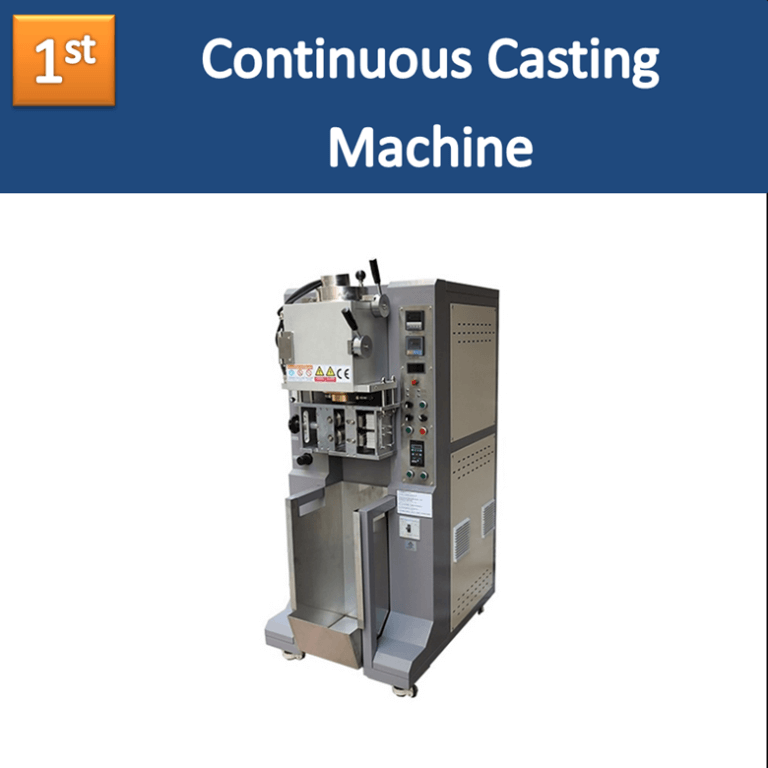
Continuous casting of gold and silver strips
The continuous casting machine produces uniform strip material for coin blanks. It uses induction heating, graphite crucible and graphite mold design, and can work under inert gas protection or vacuum design where surface quality is important.
- Custom graphite molds can produce the required strip width and thickness.
- Graphite crucible and induction heating support continuous production.
- Siemens control helps stabilize casting quality for repeat orders.
- Integrated hydraulic shear makes it convenient to cut strip into workable lengths.
Precision rolling mill treatment
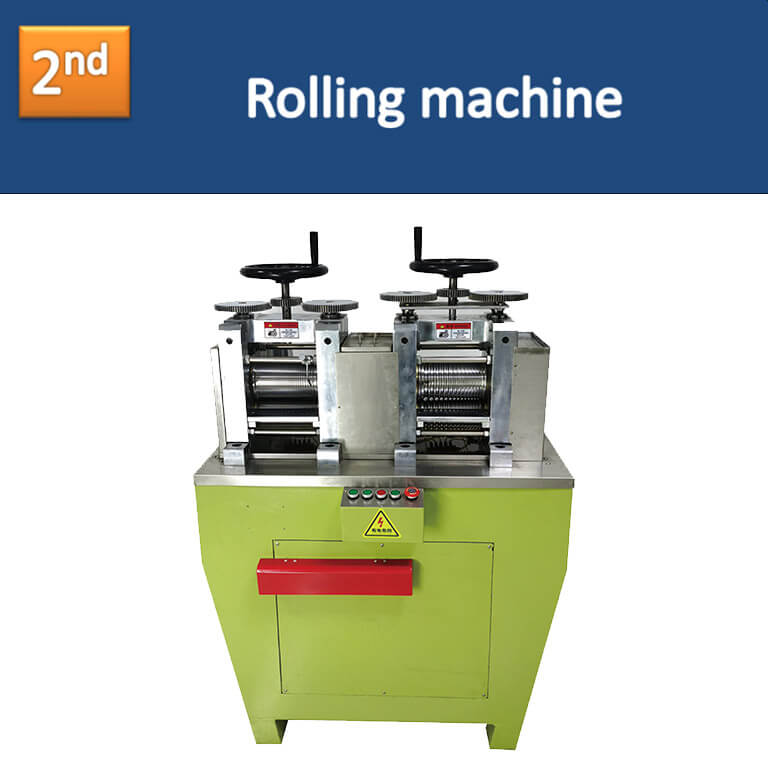
The cast strip is passed through a precision rolling mill to compress the metal to the required coin thickness. Rolling also improves surface finish and controls blank weight. Intermediate annealing may be needed to restore ductility between rolling passes.
- Rolling thickness must match final coin diameter and target weight.
- Stable roller hardness and parallelism help control blank consistency.
- Over-hard strip should be annealed before further processing.
Obtaining accurate coin blanks
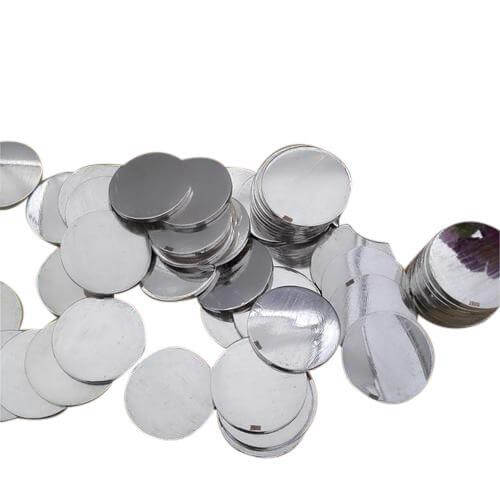
The hydraulic punching machine cuts round or custom-shaped blanks from the rolled strip. A four-column structure and programmable hydraulic system help keep the blank stable and reduce burrs.
- Four-column structure improves punching stability.
- Programmable hydraulic control supports repeat operation.
- Check blank diameter, roundness, thickness, and weight tolerance.
- Clean blanks to avoid scratches and contamination before pressing.

Annealing and polishing
Annealing softens the coin blank before embossing. Polishing helps remove surface contamination and small burrs, but over-polishing may reduce the mirror effect or change the designed surface contrast.
- Use protective atmosphere annealing when a bright blank surface is required.
- Do not over-polish if the coin needs mirror and frost contrast.
- Keep blanks clean before final die striking.
Embossing with minting dies
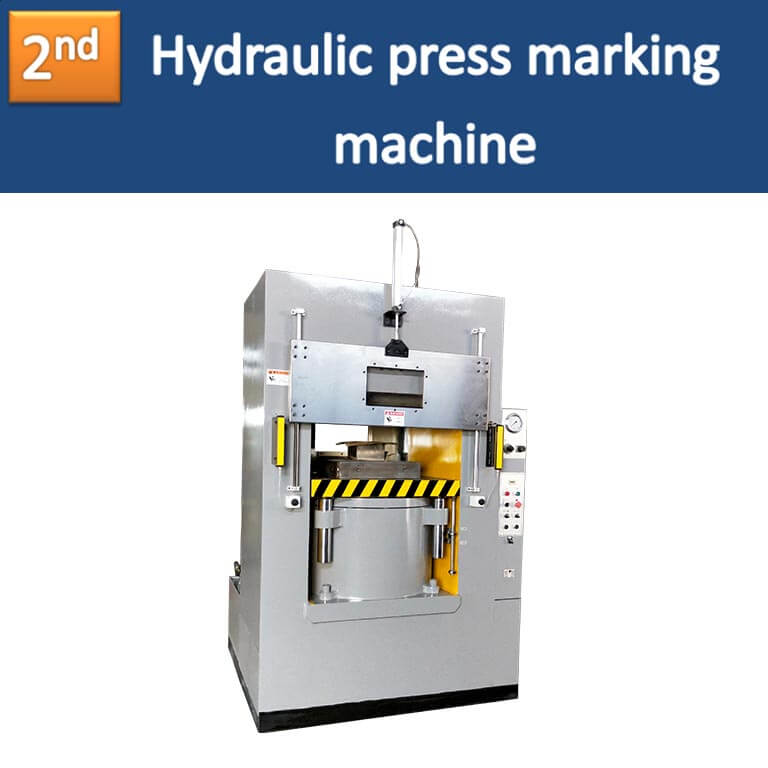
Embossing is the final and most critical step. The blank is struck with dies under high pressure to create obverse and reverse designs, relief height, logo detail, edge pattern, mirror areas, and frost effect.
- Press tonnage must match coin diameter, thickness, metal hardness, and relief depth.
- Custom dies can be made from logo artwork, 3D drawings, sample coins, or customer patterns.
- Die material and heat treatment affect pattern sharpness and service life.
- Photoelectric safety guards, emergency stop, PLC strike control, and grounding protection improve safety and repeatability.
Inspection and final packaging
After the coin is minted, it should be inspected and protected immediately. The finished coin can be placed in a plastic capsule or box, sealed with protective film, and packed in a custom-designed box or blister card to protect the surface and strengthen brand presentation.
- Inspect weight, diameter, edge, pattern position, scratches, and color.
- Use capsule, sealed film, blister card, or custom box for protection.
- Clean packaging helps prevent scratches, fingerprints, oxidation, and transport damage.
- Packaging can add brand information, specifications, and anti-counterfeit design.

Chapter IV: guide to purchasing a gold silver coin minting machine
Selecting the right equipment is crucial. Buyers should not choose only one machine by price; the full line must match the product goal, material, purity, output, automation, and custom die requirements.
| Buyer question | Why it matters | CDOCAST suggestion |
|---|---|---|
| Are you producing bullion bars, coins, medals, or both? | The production routes, molds, dies, and press requirements are different. | Confirm product category before selecting the minting line. |
| What material and purity will you process? | Gold, silver, alloy hardness, and purity affect casting, rolling, annealing, and pressing. | Send metal type, purity, and target surface requirement. |
| What is the output volume? | Output decides whether the line should be manual, semi-automatic, or more automated. | Provide target pieces per hour or per day. |
| What coin size and relief depth are required? | Coin diameter, thickness, and relief depth decide hydraulic press tonnage and die size. | Send drawing, sample photo, weight, and thickness. |
| Do you need custom graphite molds or minting dies? | Custom mold and die quality decide final product consistency. | Use matched graphite molds, hardened dies, and proper heat treatment. |
| Do you need packaging equipment? | Packaging protects the surface and makes the final coin easier to sell. | Add capsule, blister card, or custom packaging according to brand positioning. |
Key equipment in a complete gold silver coin minting line
These internal product links help buyers move from the blog guide to the actual machine pages without mixing coin production and bullion bar production.
Continuous casting machine
Cast strip material before rolling and blank punching.
Hydraulic punching machine
Punch accurate round coin blanks from rolled strip.
Minting dies
Create obverse, reverse, logo, relief, edge detail, and custom pattern.
Hydraulic press for minting
Strike coin blanks with stable pressure and matched die holders.
Blister packaging machine
Protect finished coins and add brand or anti-counterfeit packaging.
Hydraulic logo stamping machine
Used mainly for branded bullion bars after vacuum casting.
Hydraulic shearing machine
Cut large gold or silver material before granulating and bullion casting.
Minting die design, inspection, and packaging
Die design is a unique and important link in the coinage process. After the theme, pattern, logo, and dimension are confirmed, the design is expressed through precision dies, relief height, mirror areas, frost surface, and edge detail.
- Custom dies can be made according to logo artwork, 3D design, engineering drawing, or sample coins.
- The raised and recessed areas must be planned before manufacturing the die.
- Finished coins should be inspected for weight, diameter, edge, pattern position, scratches, and surface effect.
- Final packaging protects the product and improves customer confidence.
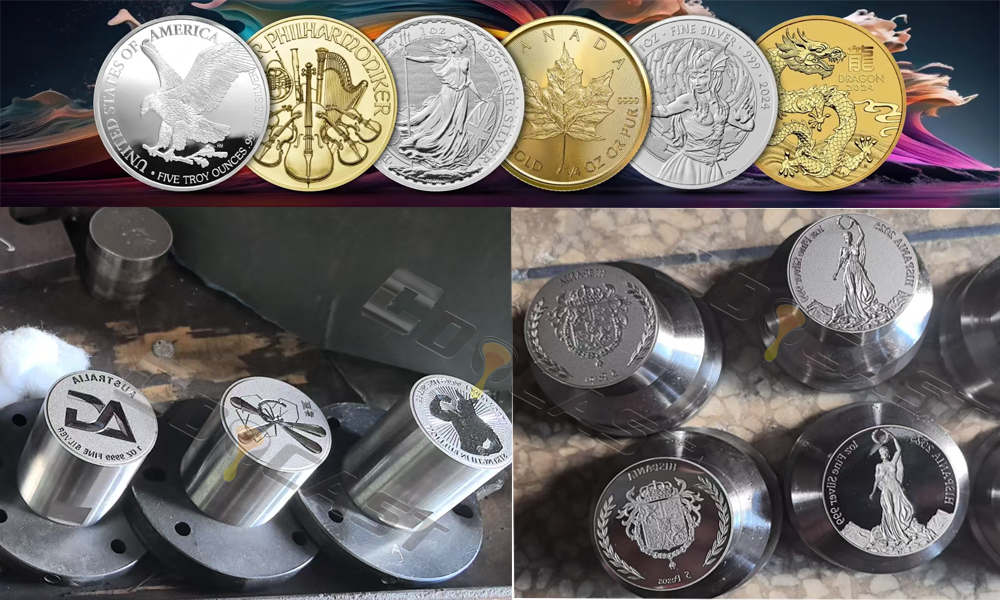
Minting dies decide pattern sharpness, relief depth, mirror area, frost effect, and repeatability.
Chapter V: conclusion
Investing in a modern gold silver coin minting machine line can improve production efficiency, finished coin quality, brand presentation, and repeatability. With vacuum casting, continuous strip casting, rolling, annealing, hydraulic punching, precision minting dies, hydraulic pressing, inspection, and packaging, coin production becomes more controlled and easier to scale.
Whether the buyer is a private mint, refinery, jewelry manufacturer, bullion dealer, or collector, understanding the complete minting process helps avoid buying the wrong machine and helps build a production line that matches real product goals.
FAQ about gold silver coin minting machines
What information should I provide before choosing a gold silver coin minting machine line?
Please provide coin diameter, thickness, weight, material purity, drawing or logo artwork, target surface effect, required output, and packaging style. These details decide the casting route, rolling mill size, punching mold, minting die, and hydraulic press tonnage.
Can one production line make both bullion bars and coins?
Some supporting equipment can be shared, but the main process is different. Bullion bars usually need cutting, granulating, drying, vacuum casting, logo stamping, and packaging. Coins need strip casting, rolling, blank punching, annealing, polishing, die embossing, inspection, and packaging.
Why do bullion materials need cutting, granulating, and drying before casting?
Cutting makes large raw material easier to feed and melt. Granulating helps control weighing and melting consistency. Drying removes moisture, which helps reduce splashing, bubbles, and unstable surface quality during vacuum casting.
Why is continuous strip casting important for coin blank production?
Coin blanks come from strip material. Stable strip width, thickness, density, and surface quality make rolling, punching, annealing, and final minting more consistent.
Why should coin blanks be annealed before minting?
Rolling makes gold and silver strip harder. Annealing restores ductility, reduces cracking risk, and helps the blank accept the die pattern during hydraulic pressing.
How do I choose hydraulic press tonnage for coin minting?
Press tonnage depends on coin diameter, blank thickness, material hardness, die size, relief depth, and target pattern detail. Buyers should provide drawings, weight, thickness, and sample photos before selection.
What affects mirror and frost effects on minted coins?
The final surface effect depends on blank quality, polishing control, die design, die surface treatment, pressure stability, and operator handling. Over-polishing or poor blank cleaning can reduce the intended mirror and frost contrast.
Why is packaging included in a coin minting line?
Finished coins and bullion bars can be scratched, oxidized, or contaminated by fingerprints. Capsules, sealed film, blister cards, and custom boxes protect the surface while adding brand information and anti-counterfeit presentation.
Can CDOCAST provide custom minting dies and operation training?
Yes. CDOCAST can support custom dies based on logo artwork, 3D drawings, sample coins, and product dimensions. We can also provide machine selection, manuals, operation videos, and commissioning guidance for the complete line.
Need a complete machine list for gold and silver coin minting?
Send your coin diameter, thickness, weight, material purity, drawing, desired surface effect, daily output, and packaging requirement. CDOCAST can recommend the correct gold silver coin minting machine line and avoid over-buying the wrong equipment.