
How To Melt Gold Silver Copper Precious Metals? – Buy Induction Gold Melting Furnace
How to choose an induction gold melting furnace for gold, silver and copper
An induction gold melting furnace is used to melt gold, silver, copper and other precious metal alloys with fast heating, stable temperature control and cleaner workshop operation than gas melting. If you are searching for how to choose an induction gold melting furnace for a jewelry workshop, small refinery, gold buying shop or precious metal casting room, the right furnace is not only decided by kilogram capacity. Buyers should also check the material type, crucible, pouring method, cooling system, power supply and daily production plan.
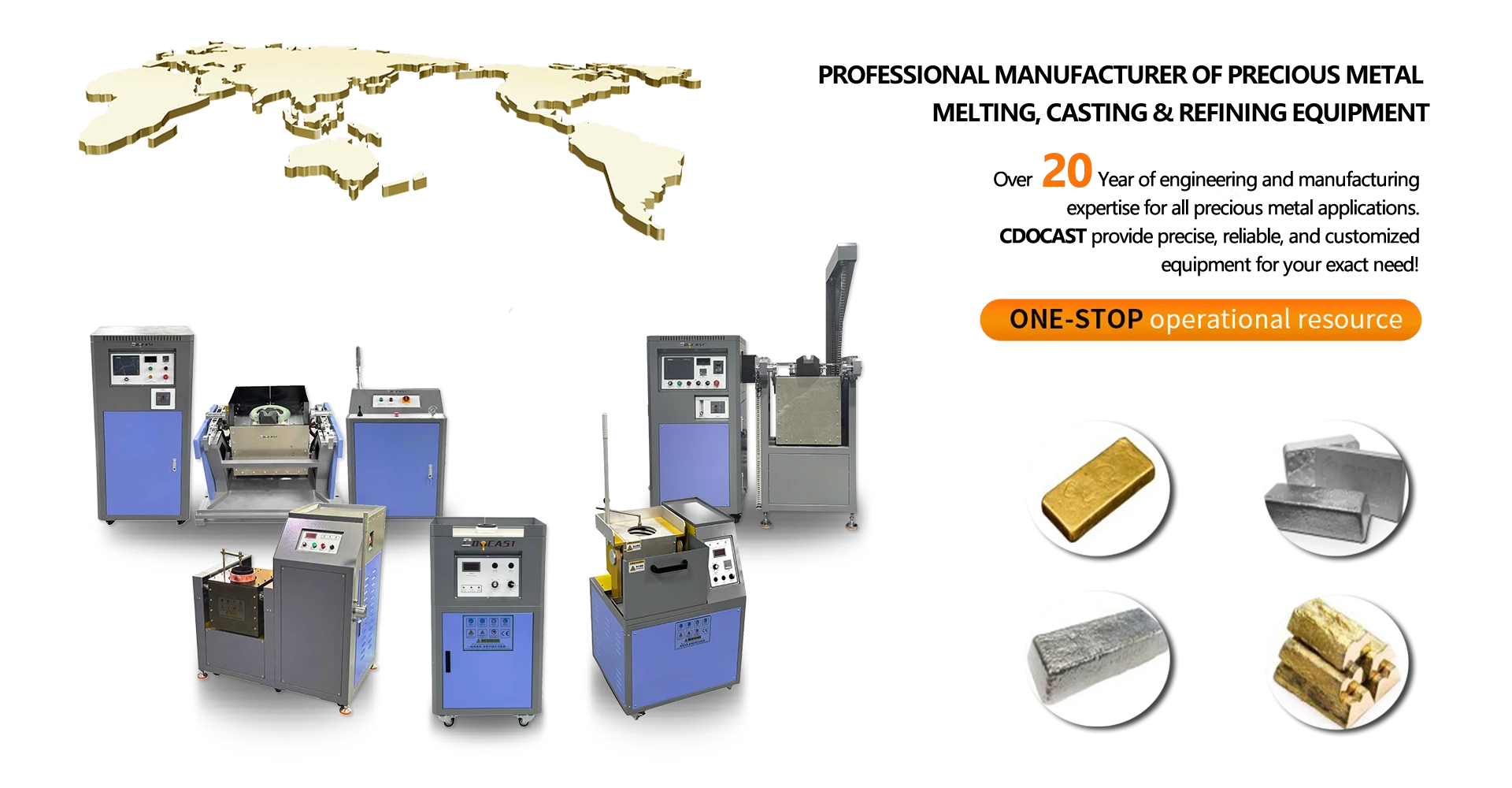
What is an induction gold melting furnace?
An induction gold melting furnace uses medium frequency induction heating to heat the graphite crucible and melt metal quickly. Compared with gas melting or resistance heating, induction melting gives faster melting speed, better temperature response, lower workshop heat and more controlled pouring for gold, silver, copper and alloy production.
For precious metal workshops, the main value is stable liquid metal. When the furnace power supply, induction coil, cooling system and crucible are matched correctly, the molten metal can reach a uniform temperature before pouring into an ingot mold, casting mold or granulation system. This is why buyers often compare a small induction furnace for gold, an integrated gold melting machine, a manual tilting gold melting furnace and a hydraulic tilting melting furnace before making a purchase.

Which induction melting furnace capacity should you choose?
The old way is to ask only for “how many kilograms”. A better way is to match the furnace with the metal, pouring method and production target. Gold, silver and copper behave differently in melting and pouring, so a gold melting furnace for 5kg jewelry alloy may not be the best choice for 50kg silver ingots. A practical buyer guide should answer questions such as which furnace is best for melting gold and silver, when to use a water chiller, and whether a chain tilting silver melting furnace is better than a small desktop furnace for 100kg silver production.

1-2kg mini gold melting furnace
Best for jewelry stores, small gold buyers, laboratories and sample melting. It is compact, easy to operate and suitable for small batches of gold, silver, copper and alloy material. This is usually the best furnace for melting gold and silver when the buyer only needs 1kg or 2kg per batch.
Watch mini furnace video4-10kg integrated gold melting furnace
This model integrates the furnace body and power supply in one cabinet. It is suitable for gold refineries, jewelry factories and precious metal workshops that need a stable daily melting machine without a large footprint. Buyers often choose this type as a gold melting furnace for karat gold alloy, recycled jewelry, small refinery melting and regular bullion preparation.
Watch integrated furnace video
4-30kg manual tilting melting furnace
Manual tilting is practical for small and medium production when the operator needs direct pouring control. It is often selected for workshops that melt gold, silver or copper but do not need automatic heavy-duty tilting. If a buyer compares manual tilting gold melting furnace price and output, this model is usually a balanced choice between compact size and easier pouring.
Watch manual tilting furnace video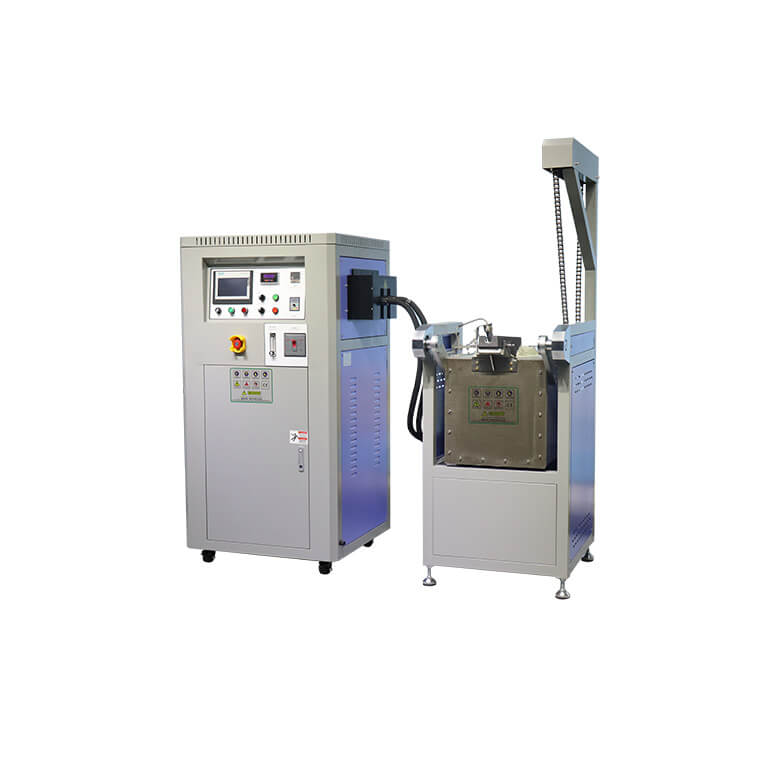
30-100kg chain tilting metal melting furnace
For larger silver or copper output, a chain tilting furnace gives safer rotation and more stable pouring. The fixed pouring point helps reduce splash risk and improves control when filling molds or granulation equipment. For buyers asking which furnace is better for 100kg silver melting, this chain tilting silver melting furnace is normally more practical than a small gold furnace.
Watch chain tilting video
50-300kg hydraulic tilting metal melting furnace
Hydraulic tilting is better for heavy molten metal. It is selected when the furnace needs stronger structure, safer tilting, higher output and more stable pouring for large gold, silver, copper or alloy production. This type is suitable for precious metal refinery melting, copper alloy melting and heavy-duty silver ingot production where operator safety is more important than only machine price.
View hydraulic tilting furnace
Vacuum bar casting after melting
If the target is smooth gold or silver bullion bars rather than only melting raw metal, buyers should consider a vacuum gold bar making machine. It combines induction melting, vacuum protection and graphite mold casting in one controlled process. This is more suitable for high-quality bullion bar casting than an open induction melting furnace used only for melting.
Watch horizontal vacuum bar casting videoGold, silver and copper melting notes buyers should understand
Gold melts at about 1064°C, silver at about 962°C and copper at about 1085°C. In real production, the furnace set temperature is usually higher than the melting point because the metal needs enough fluidity for pouring. Karat gold alloys, sterling silver, copper alloys and recycled precious metal material may require different temperature settings and crucible choices.
| Material | Common buyer concern | Recommended check before buying |
|---|---|---|
| Gold and karat gold | Fast melting, low burning loss, clean pouring and stable alloy composition. | Check crucible size, power supply stability, temperature control and pouring mold design. |
| Silver | Silver needs larger volume for the same value and often needs higher batch output. | For larger silver batches, consider chain tilting or hydraulic tilting instead of a small desktop furnace. |
| Copper and copper alloy | Copper needs enough power and good cooling because it is more demanding during continuous melting. | Confirm power, coil design, cooling water flow and crucible life for repeated production. |
| Platinum or palladium | These metals require much higher melting temperature than gold and silver. | Do not use a normal gold melting furnace. Choose a high-temperature platinum melting furnace. |
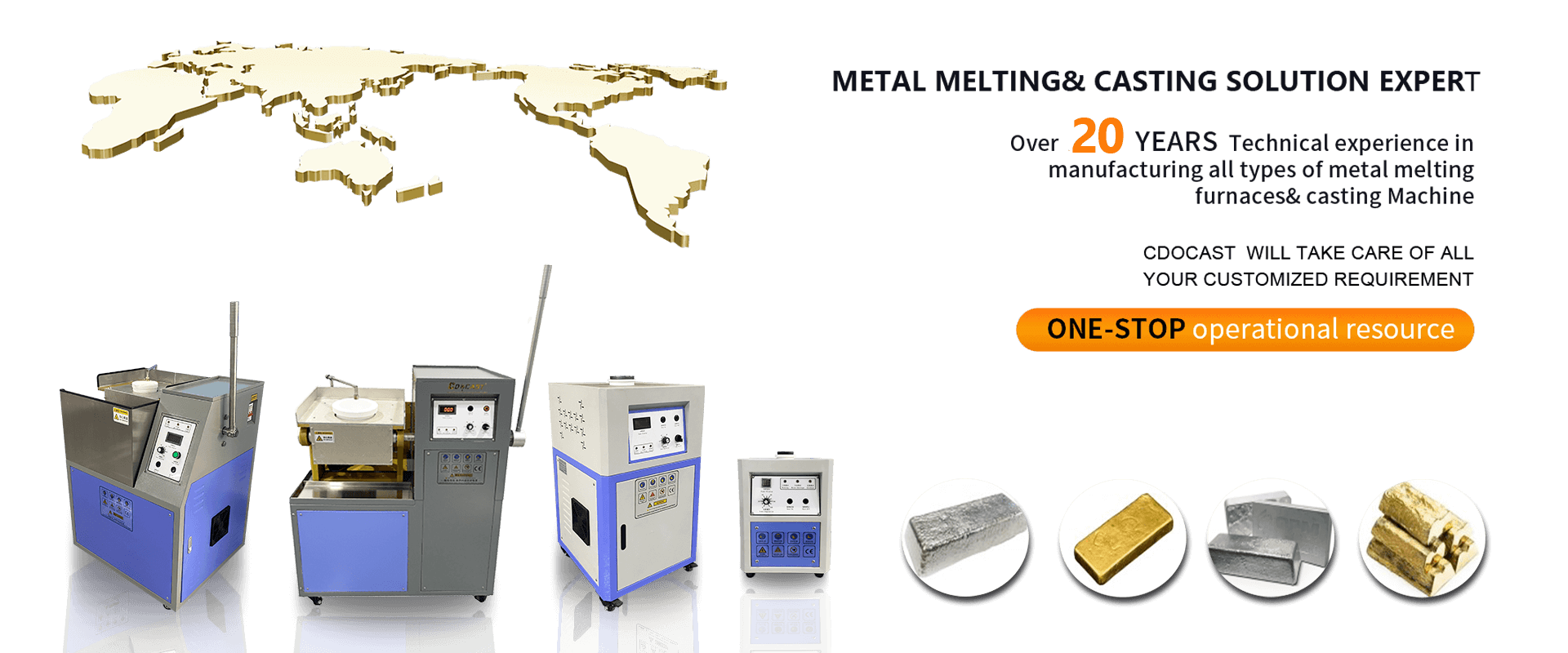
Do not choose the furnace by capacity only
Two furnaces with the same kilogram capacity can perform very differently if the power supply, crucible, coil, cooling water and pouring method are different. For gold and silver melting, the buyer should confirm real production conditions instead of only asking for a low price. A low-cost gold melting machine may be enough for occasional jewelry melting, but continuous refinery melting normally needs better cooling, stronger induction power and a more stable tilting structure.
Important furnace parts to check before placing an order
Buyer tip: If the furnace will be used for silver or copper production every day, ask for the recommended water chiller, graphite crucible size, power requirement, melting time and pouring method before confirming the induction melting furnace.
Related CDOCAST melting furnace pages
These pages help buyers compare small gold melting, integrated gold melting, silver melting and high-temperature platinum melting equipment without mixing different furnace types together.
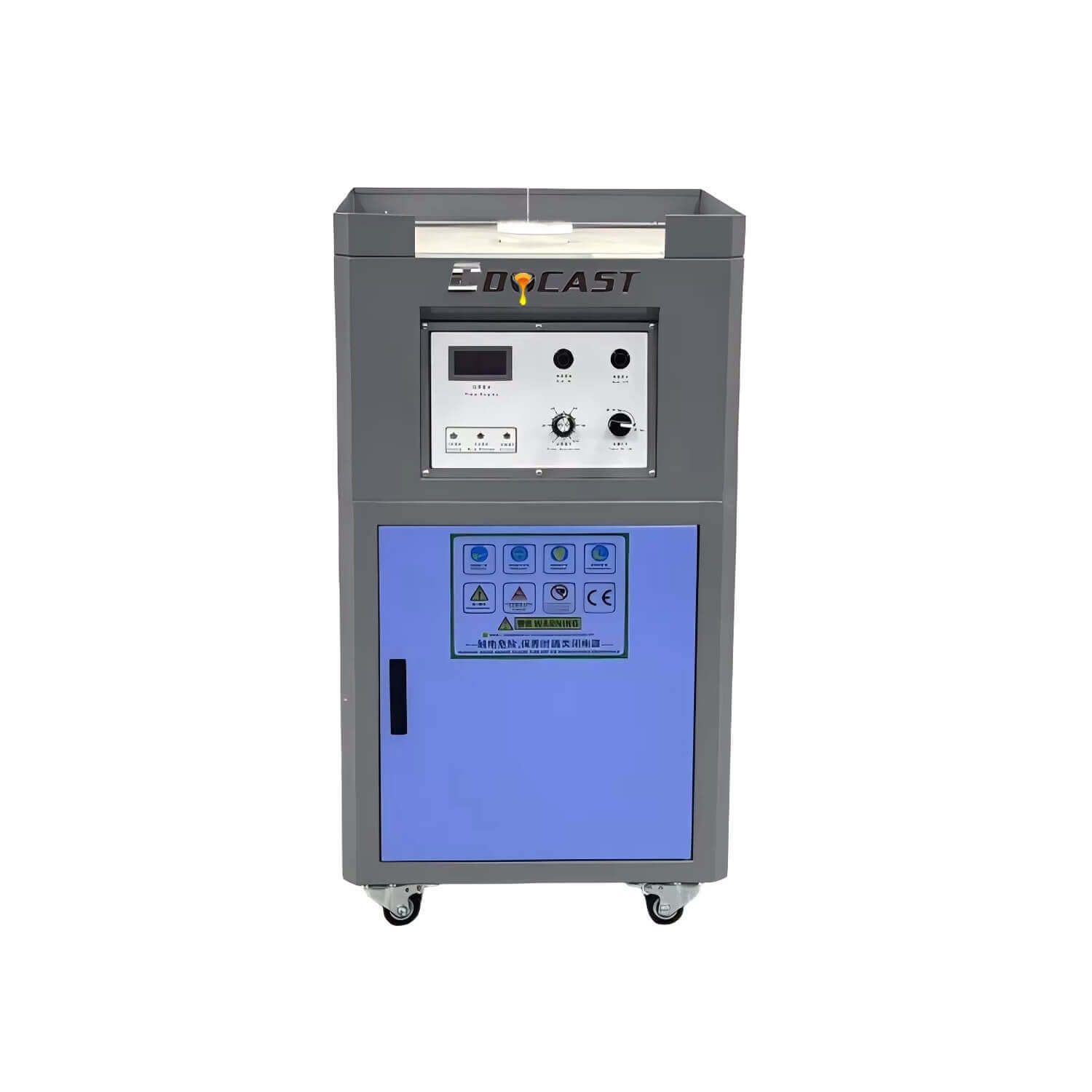 Platinum Melting Furnace
FAQ about buying an induction gold melting furnace
What capacity induction gold melting furnace should I buy?
For small jewelry work or sample melting, 1-2kg is usually enough. For daily workshop production, 4-10kg integrated furnaces are more practical. For larger silver or copper output, chain tilting or hydraulic tilting furnaces are safer and easier to pour.
Can the same induction furnace melt gold, silver and copper?
Yes, an induction melting furnace can melt gold, silver, copper and many alloys, but the crucible, temperature setting, power and pouring method should be selected according to the metal. It is better not to use the same crucible for different precious metals if purity control is important.
What crucible is used for gold melting?
Most gold and silver induction melting furnaces use graphite or silicon carbide graphite crucibles. The correct crucible depends on melting temperature, material type, batch size and expected operating cost.
Is induction melting faster than a resistance furnace?
In most precious metal melting applications, induction heating is faster and more responsive than resistance heating. It is also easier to control repeated melting work in jewelry factories, refineries and casting workshops.
When should I choose a tilting furnace instead of a desktop furnace?
When the molten metal is heavy or must be poured repeatedly into molds, a manual tilting, chain tilting or hydraulic tilting furnace is safer and more stable than lifting a crucible by hand.
Can a normal gold melting furnace melt platinum?
Platinum has a much higher melting temperature than gold and silver, so a standard gold melting furnace is usually not the correct choice. Buyers should choose a high-temperature platinum melting furnace when melting platinum or palladium.
What is the best furnace for melting gold and silver in a jewelry workshop?
For a jewelry workshop, a 1-2kg mini induction gold melting furnace is suitable for small batches and sample melting, while a 4-10kg integrated gold melting machine is better for daily karat gold alloy, recycled jewelry and small bullion preparation.
Do I need a water chiller for an induction gold melting furnace?
If the furnace is used occasionally, a simple water circulation setup may be enough for some small models. If the machine works for long hours or melts silver and copper frequently, a water chiller is recommended to protect the induction coil, power supply and graphite crucible area.
Which furnace is better for 100kg silver melting?
For 100kg silver melting, a chain tilting silver melting furnace or hydraulic tilting metal melting furnace is usually safer than a small desktop gold furnace. Larger silver batches need more stable tilting, better cooling and a stronger furnace body for safe pouring.
What information should I send before asking for a gold melting furnace price?
Send the metal type, target melting capacity per batch, daily working hours, local voltage, pouring method, required crucible size and whether the furnace will be used for jewelry workshop melting, precious metal refinery melting, silver ingot production or copper alloy melting.
Send your melting requirement to CDOCAST
For a more accurate quotation, send the metal type, target capacity per batch, daily working hours, pouring method, power supply and whether the furnace will be used for gold, silver, copper or mixed precious metal production.