Categories
Rolling Mills

High Power Rolling Mill

CDOCAST CDO-RM Series

High-Power Precious Metal Sheet Rolling Mill

The CDOCAST high-power rolling mill is designed for heavy-duty sheet and strip reduction in gold, silver, platinum, palladium, copper alloys and compatible non-ferrous materials. The CDO-RM30, CDO-RM40 and CDO-RM50 combine 22–37.5kW drive power with wide Cr12MoV rolls for repeated industrial production.

Select the machine from the incoming slab, maximum sheet width, starting thickness, target thickness, alloy, reduction schedule and required daily output—not from motor power alone.

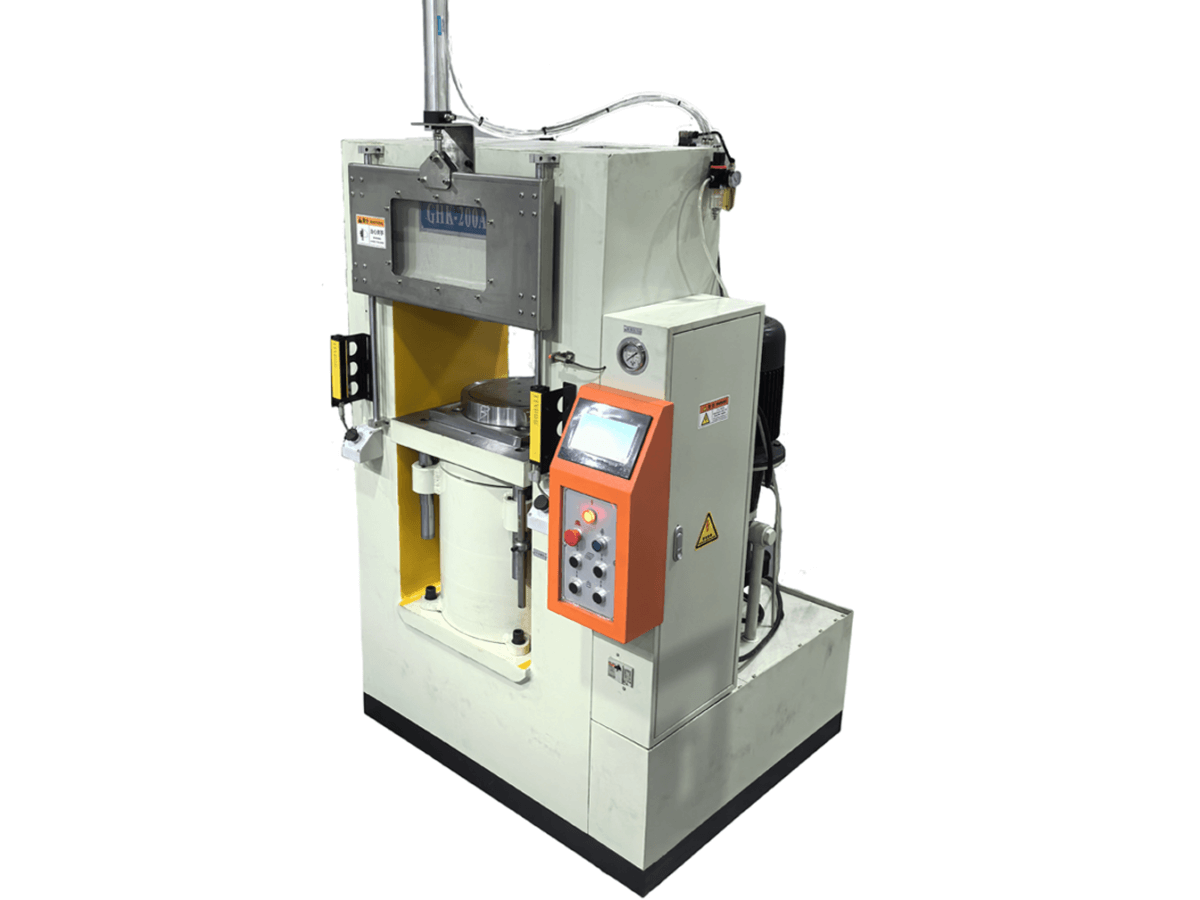
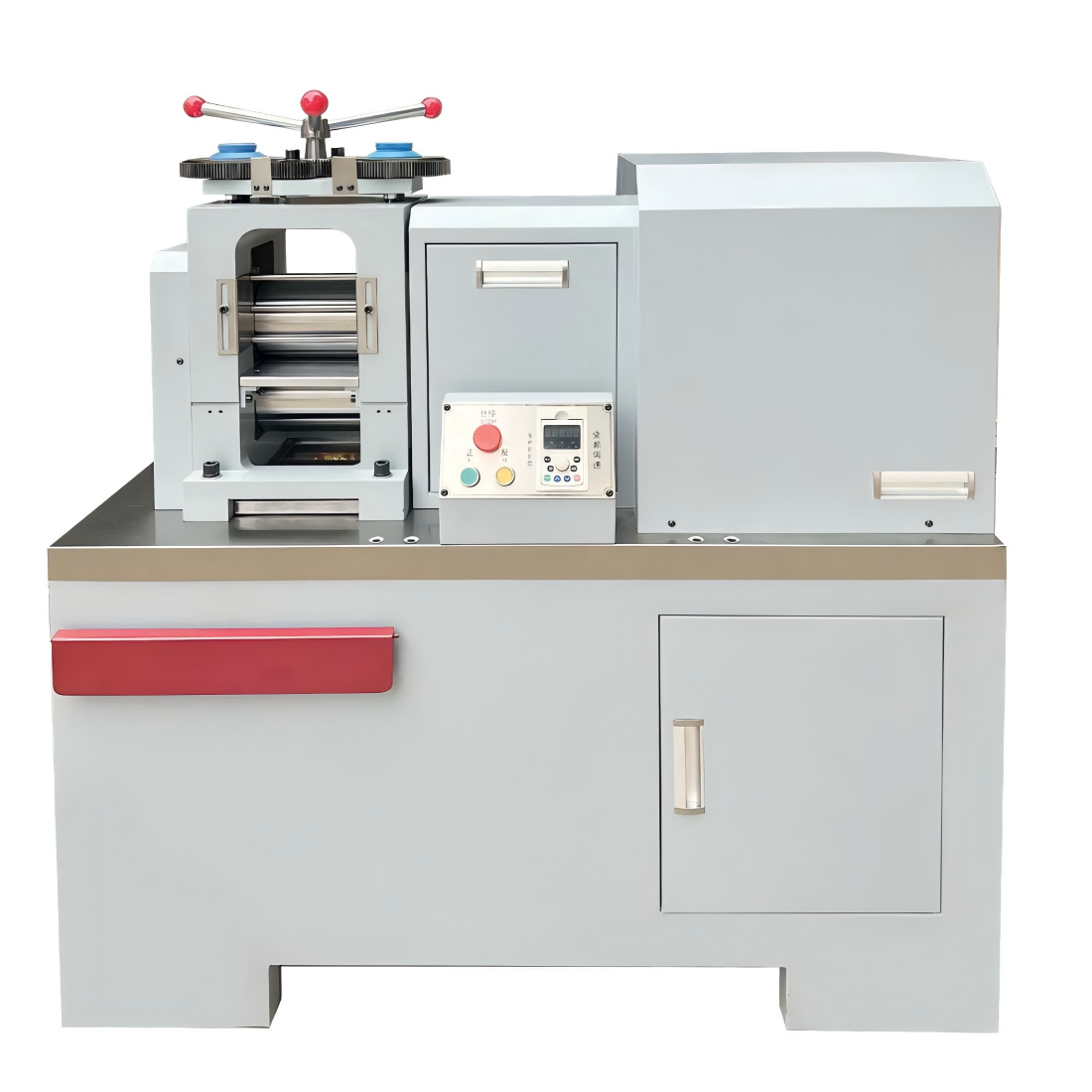
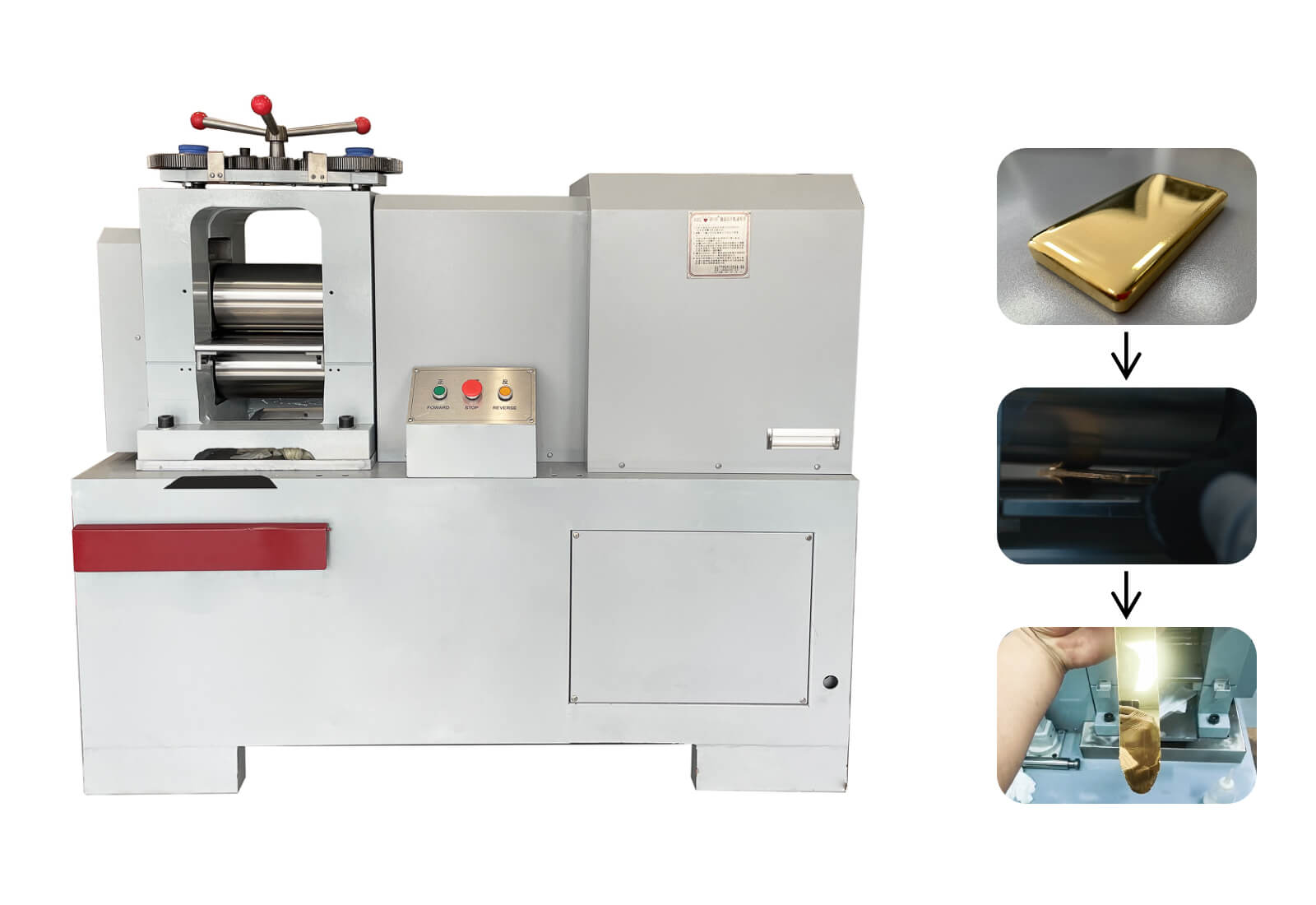
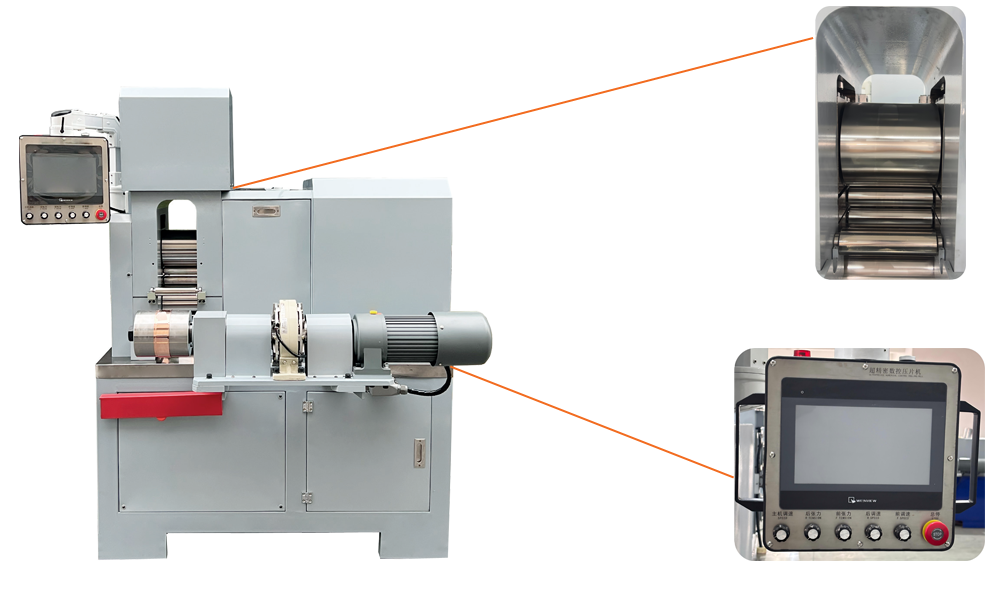
40P high-power CNC precious metal sheet rolling mill

40P high-power rolling mill shown in a CNC configuration. Final control functions and production scope are confirmed in the quotation.

▶ Watch Working Video

22–37.5kWThree heavy-duty power levels
380–500mmListed roll working widths
Cr12MoVHRC 60–62 roll hardness
2.2–3.5tRigid industrial machine range
Engineering basis: The listed thickness ranges describe the source specification for each model. Actual pass reduction, final gauge, flatness, surface finish and production rate depend on the alloy, material condition, starting geometry, annealing schedule, roll condition and operating procedure. They should not be treated as universal one-pass guarantees.

Why Choose a High-Power Rolling Mill?

Heavy precious-metal slabs demand more than a larger motor. A practical industrial rolling mill needs a rigid frame, stable drive transmission, correctly sized rolls, repeatable gap control, adequate lubrication and a reduction schedule that matches the metal. The CDO-RM series is intended for factories that repeatedly reduce thick gold, silver or alloy stock into sheet and strip, where a small workshop mill would be slow or overloaded.

Heavy-load drive

22kW, 30kW or 37.5kW Motor

The drive system supplies the torque needed for repeated reduction of wide or thick stock. The correct model depends on material strength, section size, pass reduction and duty cycle.

Wear-resistant tooling

Cr12MoV Alloy Tool-Steel Rolls

HRC 60–62 roll hardness supports wear resistance and long service life. Clean, correctly maintained roll surfaces help reduce scratches, contamination and avoidable precious-metal loss.

Stable structure

Large-Diameter Wide Rolls

Roll diameters of 220–260mm and listed working widths of 380–500mm support wider sheet production. Frame rigidity and roll alignment remain essential to thickness consistency.

Serviceability

Grease-Lubricated Bearing Bushes

The source specification uses grease-lubricated bearing bushes. Lubrication points, intervals and approved grease should be included in the maintenance plan.

CDO-RM High-Power Rolling Mill Model Selection

Entry heavy-duty modelCDO-RM30

22kW motor with Φ220 × 380mm rolls. Listed for a 35–0.35mm sheet-thickness range.

Best starting point for: factories needing heavy rolling capacity with a narrower working width.

Largest listed modelCDO-RM50

37.5kW motor with Φ260 × 500mm rolls. Listed for a 50–1mm sheet-thickness range.

Best starting point for: wider and heavier incoming stock where maximum listed width and drive power are required.

SpecificationCDO-RM30CDO-RM40CDO-RM50
Motor22kW30kW37.5kW
Power supply380V, 3 phase, 50/60Hz380V, 3 phase, 50/60Hz380V, 3 phase, 50/60Hz
Listed sheet-thickness range35–0.35mm40–0.4mm50–1mm
Roll materialCr12MoVCr12MoVCr12MoV
Roll hardnessHRC 60–62HRC 60–62HRC 60–62
Roll sizeΦ220 × 380mmΦ240 × 440mmΦ260 × 500mm
LubricationGrease-lubricated bearing bushGrease-lubricated bearing bushGrease-lubricated bearing bush
Machine weight2,200kg3,000kg3,500kg
Dimensions (L × W × H)1,800 × 900 × 1,600mm2,000 × 900 × 1,650mm2,500 × 1,700 × 1,650mm

Confirm destination voltage, control configuration, actual usable roll width, maximum admissible entry section and acceptance method before ordering.

40P CNC Rolling Mill Machine Views

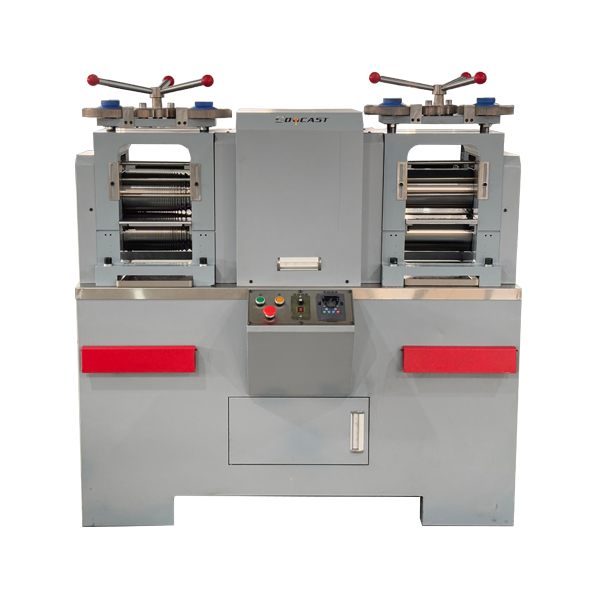
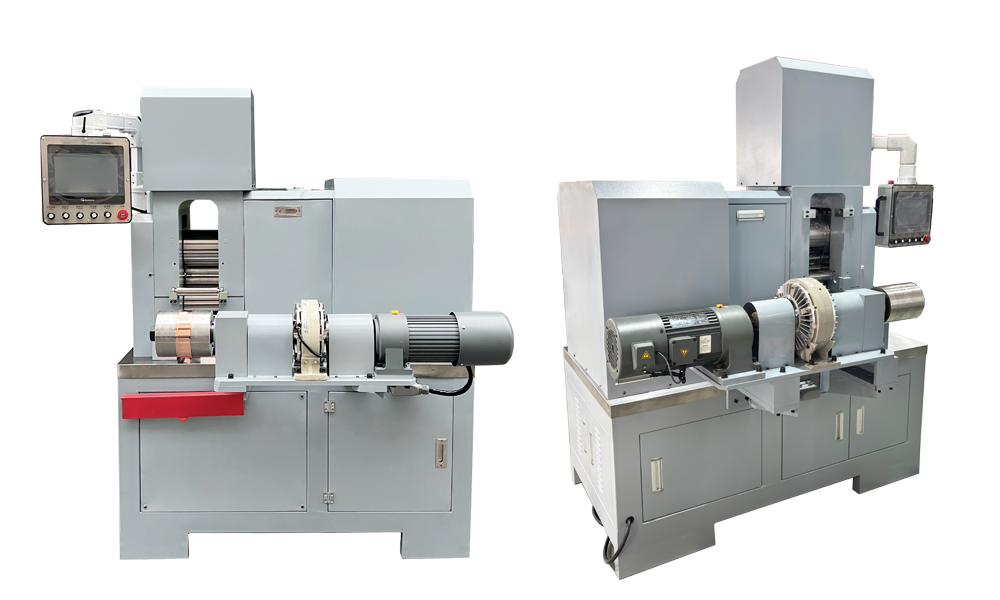
CDO-RM40 high-power CNC rolling mill front view
CDO-RM40 CNC configuration for high-power precious-metal sheet rolling. Control details are project-specific.
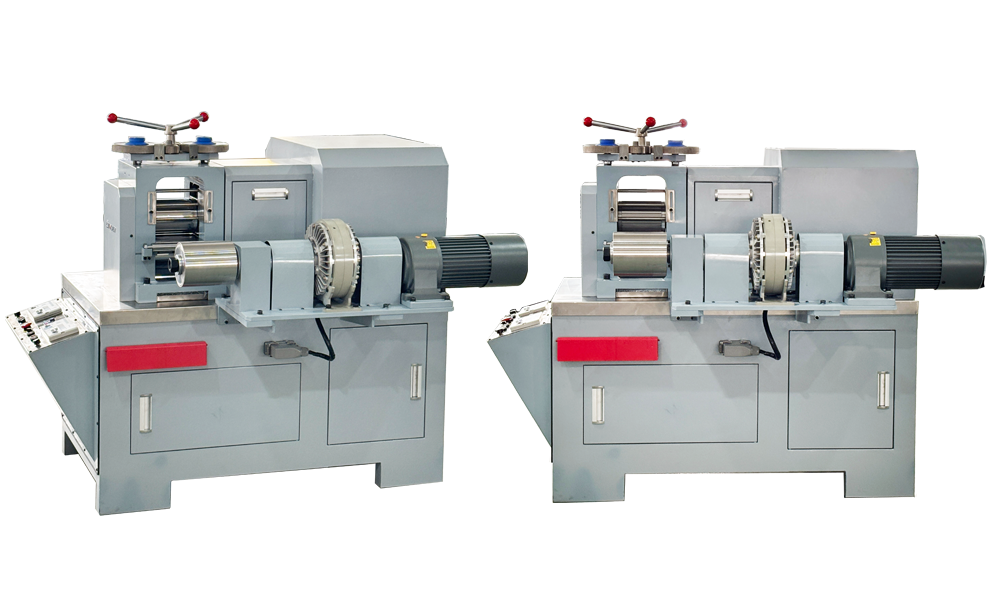
40P industrial precious metal sheet rolling mill machine
40P industrial rolling mill showing the heavy frame, working area and operator-side arrangement.

How to Roll Precious Metal Sheet Safely and Consistently

1. Define the materialConfirm alloy, hardness condition, slab dimensions, mass and surface condition.
2. Plan the passesSet a controlled multi-pass reduction schedule instead of attempting the full reduction in one pass.
3. Anneal as requiredUse a material-specific annealing plan when work hardening makes further reduction unsafe or unstable.
4. Inspect the rollsClean roll surfaces and verify lubrication, guarding, alignment and gap before production.
5. Feed consistentlyKeep the sheet aligned and use approved handling tools; never place hands near the roll bite.
6. Measure thicknessCheck multiple points across the width and length after planned passes.
7. Correct graduallyAdjust the gap according to measured results and the approved procedure.
8. Record the processRetain alloy, pass, annealing and thickness data for repeat production.

Applications of the Heavy-Duty Sheet Rolling Mill

Jewelry and Precious Metal Manufacturing

Reduce gold, karat-gold and silver stock into sheet for fabrication, stamping, blank preparation and subsequent forming.

Electronic and Electrical Materials

Prepare silver alloy, copper alloy, platinum solder foil and compatible strip where thickness control supports downstream reliability.

Universities and Material Research

Produce wider experimental alloy sheet and repeatable intermediate material for research, testing and process development.

Refining and Recycling Plants

Convert remelted precious-metal ingots and recycled alloy feed into sheet for further processing, sampling or product manufacture.

Build a Complete Precious Metal Sheet Production Route

A rolling mill forms solid feed; it does not melt, cast or refine contaminated metal. A practical production route may begin with a precious metal continuous casting machine to prepare repeatable plate or strip blanks, followed by controlled rolling and annealing. If the required product is wire rather than sheet, compare the grooved-roll configurations on the jewelry wire rolling machine page.

Explore the complete CDOCAST precision rolling mill range, or watch the smaller 10P metal sheet rolling mill when a 22–37.5kW heavy-duty machine is larger than the application requires.

Information Required for an Accurate Rolling Mill Quote

Information We Must Know

Please provide these six items so CDOCAST can select the machine and prepare a meaningful quotation:

  • Metal or alloy: for example, pure gold, karat gold, silver, platinum or copper alloy.
  • Maximum incoming material size: width and thickness of the slab or sheet.
  • Required finished size: target sheet width and final thickness.
  • Production requirement: expected kilograms or sheets per day and working hours per shift.
  • Power supply: available voltage, phase and frequency.
  • Control preference: manual, digital or CNC configuration.

Helpful Information, If Available

The following details improve engineering accuracy but do not need to delay the initial inquiry:

  • Incoming slab length and unit weight
  • Required thickness tolerance and flatness
  • Required surface-finish standard
  • Current annealing equipment and process
  • Material-loading or lifting preference
  • Workshop floor space and foundation conditions
  • Local guarding or compliance requirements
  • Installation, commissioning and training scope

High-Power Rolling Mill FAQ

Which model should I choose: RM30, RM40 or RM50?

Start from the maximum incoming thickness, required sheet width, alloy strength, pass reduction and production duty. RM50 has the largest listed roll size and motor, but a larger machine is not automatically the best economic choice for narrower or lighter material.

Can the mill reduce a 40mm slab to 0.4mm in one pass?

No. The listed range does not mean one-pass reduction. Thick stock requires multiple controlled passes, measurement between passes and annealing when required by the alloy and work-hardening condition.

Can one machine roll gold, silver, platinum and copper alloys?

The series is intended for precious metals and compatible non-ferrous alloys, but rolling force, reduction schedule, annealing and surface requirements vary. Send the actual alloy and starting section for confirmation.

Does higher motor power guarantee higher daily output?

No. Output also depends on stock dimensions, alloy, reduction per pass, operator method, annealing time, handling, inspection and downtime. Capacity should be discussed using a defined product and production cycle.

Is CNC control included on every model?

The supplied photographs show a 40P CNC configuration, but the final control functions, measurement method and automation scope must be stated in the quotation. Do not assume every configuration is identical.

What determines sheet thickness accuracy?

Roll condition and alignment, frame rigidity, gap setting, material uniformity, pass schedule, temperature, work hardening and measurement method all affect the result. Agree on a sample, measurement locations and acceptance procedure.

Request a High-Power Rolling Mill Proposal

Send CDOCAST your alloy, incoming slab dimensions, maximum sheet width, starting and final thickness, tolerance, daily production goal, destination voltage and preferred control system. We can then recommend the correct RM30, RM40 or RM50 configuration and supporting production equipment.

Send Your Rolling Requirements

Technical note: Specifications are based on the supplied product data. Final machine configuration, performance conditions, safety scope and acceptance criteria are confirmed in the quotation and technical agreement.

Categories
Precious Metal Refining Machine

Copper Electrorefining Equipment

Copper Electrorefining Equipment | Custom System | CDOCAST
CDOCAST Custom Refining Solution

Copper Electrorefining Equipment for Custom Refining Lines

Copper electrorefining equipment from CDOCAST is designed for crude copper and copper-rich precious-metal collector alloys. Each system is engineered around the customer's feed assay, daily capacity, anode dimensions, cathode requirement, workshop utilities and anode-slime handling plan.

A complete line can integrate electrorefining cells, a high-current rectifier, copper busbars, electrolyte circulation and filtration, heating and temperature control, online pH monitoring, cell-bottom sludge transfer, a filter press and centralized electrical controls.

Custom electrorefining cells with busbars and electrolyte circulation tanks

Electrorefining cell installation with electrode rows, copper busbars and solution-handling tanks. Final configuration is project-specific.

Custom capacityNo fixed standard model
Matched DC powerSelected from useful electrode area
Two filtration dutiesElectrolyte filtration and sludge dewatering
Assay-led routingSlime tested before downstream refining
Important: Copper electrorefining equipment is a non-standard engineered system. The reference values shown on this page illustrate one project basis only. They are not universal specifications, production guarantees or feed limits.

What Is Included in a Copper Electrorefining System?

The equipment boundary can be configured from a core electrolysis section to a complete line with electrolyte management and anode-slime dewatering. The following modules are typical, but the final scope is confirmed after reviewing the actual process basis.

01 · DC power

High-Current Electrorefining Rectifier

Supplies stable low-voltage direct current to dissolve copper from the anodes and deposit refined copper at the cathodes.

  • Constant-current or constant-voltage operation
  • Touchscreen control and operating-data records
  • Historical curves, alarms and data export
  • Overvoltage, overcurrent and overtemperature protection
  • Water cooling where required
02 · Process vessel

Reinforced PP Electrorefining Cell

Holds the copper sulfate-sulfuric acid electrolyte and supports the alternating anode and cathode rows.

  • Chemical-resistant PP construction
  • External structural reinforcement
  • Adjustable supports and drain valve
  • Sloped bottom to support sludge collection
  • Customized electrode spacing and access
03 · Current distribution

Anode Busbar and Contact System

Distributes current to the crude-copper anodes and maintains repeatable electrical contact across the cell.

  • Transverse copper busbars
  • Double-ended conductive seats
  • Rectifier-to-cell copper connections
  • Layout matched to customer-supplied anodes
04 · Product deposition

Cathode Busbar and Cathode System

Provides the conductive path and deposition surfaces for refined cathode copper.

  • Copper busbars and conductive seats
  • SUS316L cathode plates where applicable
  • Insulating shielding frames
  • Customized cathode quantity and harvest arrangement
05 · Continuous solids control

Electrolyte Circulation and Online Filter

Draws electrolyte from the cell, removes suspended solids and returns the filtered solution to the electrorefining circuit.

  • Acid- and alkali-resistant filter
  • Chemical-compatible circulation piping
  • Flow-control valve
  • Replaceable filter cartridges or media
06 · Temperature stability

Heating and Temperature-Control System

Maintains the operating temperature required by the agreed process basis and protects heaters against unsafe low-liquid operation.

  • PID temperature controller
  • PTFE immersion heaters
  • Liquid-level protection
  • Chemical-resistant temperature probe
07 · Process monitoring

Online pH Monitoring

Provides an operating indication for solution condition and supports routine process records.

  • Digital pH instrument
  • Acid-, alkali- and temperature-resistant probe
  • Fixed probe support
  • Does not replace full laboratory electrolyte analysis
08 · Slime dewatering

Hydraulic Filter Press System

Dewaters concentrated sludge removed from the cell bottom into a filter cake that is easier to weigh, sample, store and route.

  • Hydraulic automatic filter press
  • Filter plates and spare plates
  • Matched air compressor where required
  • PP filtrate or circulation tank
  • Return piping defined by the process design
09 · Local controls

Rectifier Control Cabinet

Supports rectifier installation and provides the operator interface for DC power control and monitoring.

  • Corrosion-resistant cabinet structure
  • Rectifier operating screen
  • Power-input interface
  • Project-specific protection and interlocks
10 · Integrated operation

Centralized Electrical Control Cabinet

Combines the start/stop and protection functions for circulation, filtration, heating, pH monitoring and other auxiliaries.

  • Main isolator and emergency stop
  • Pump and filter controls
  • Temperature-control circuit
  • Reserved interfaces for project options
Copper electrode plates prepared for an electrorefining system
Copper electrode plates prepared for cell loading. Dimensions, flatness, hanger geometry and electrical contact affect operating stability.
Copper cathode or electrode plates with formed hanger connections
Formed copper electrode plates with hanger connections. The final electrode design is matched to the cell and busbar arrangement.

Reference Configuration for a 200 kg Project

The following values are drawn from one preliminary project quotation and are shown only to explain how a customized copper electrorefining line may be configured. Final values must be recalculated for the customer's verified feed, operating schedule and acceptance basis.

ItemReference project basisWhy it must be customized
Nominal production basisApproximately 200 kgActual output depends on crude-copper purity, copper-ion concentration, temperature, useful electrode area, current density, efficiency and operating time.
RectifierAdjustable up to approximately 8,000 A and 12 V; touchscreen and data recordingNormal operating current must be selected from electrode area and process conditions, not from the maximum rating alone.
Electrorefining cellApproximately 4,000 × 1,000 × 1,000 mm reinforced PP cell with a sloped bottomDimensions depend on electrode size, spacing, loading method, electrolyte inventory, sludge zone and site layout.
Electrode positionsReference arrangement of 20 anode positions and 19 cathode positionsQuantity and spacing depend on anode dimensions, current distribution, cathode type and maintenance access.
CathodesSUS316L cathode plates with insulating shielding framesMaterial, dimensions and product-removal method depend on the required cathode product.
Online filtrationChemical-resistant circulation filter, piping, flow valve and spare mediaFilter flow, pressure, media and maintenance frequency depend on electrolyte volume and suspended-solids load.
HeatingReference 18 kW PID heating system using multiple PTFE heaters and level protectionInstalled heat duty depends on electrolyte volume, ambient conditions, heat loss and operating-temperature target.
Sludge dewateringHydraulic filter press with 500 × 500 mm plates, PP collection tank and auxiliary compressorPlate area and chamber volume depend on actual sludge generation, solids behavior, washing plan and batch frequency.

How the Custom Copper Electrorefining Process Works

1. Prepare anodesCharacterize the feed, adjust it where required and cast repeatable crude-copper anodes.
2. Load the cellInstall anodes and cathodes with the specified spacing and verified electrical contacts.
3. Electrorefine copperApply controlled DC current while monitoring voltage, current, temperature, flow and electrolyte condition.
4. Harvest cathodesRemove, wash and account for cathode copper according to the production cycle.
5. Filter electrolyteUse online circulation filtration to control suspended solids in the returning electrolyte.
6. Remove bottom sludgeTransfer settled material from the sloped cell-bottom zone under contained conditions.
7. Dewater slimeFeed concentrated sludge to the filter press to obtain cake and filtrate.
8. Sample and assayLabel each cake lot, determine dry mass and assay it before selecting downstream refining.
Copper electrorefining process with electrolyte circulation filtration and filter press dewatering

Conceptual copper electrorefining flow. Online filtration and batch filter-press dewatering serve different process streams.

Why Are Both an Online Filter and a Filter Press Used?

Online Electrolyte Filter

Continuously or frequently treats circulating electrolyte with a relatively low suspended-solids concentration. Its role is to protect electrolyte cleanliness and cathode deposition conditions.

It does not: dewater bulk bottom sludge or remove dissolved metal ions by ordinary physical filtration.

Anode Slime Filter Press

Operates intermittently on concentrated sludge removed from the bottom of the electrorefining cell. Its role is to separate a manageable filter cake from filtrate.

It does not: replace routine electrolyte circulation or dissolved-impurity control.

Online electrolyte filter for a copper electrorefining equipment line
Online electrolyte filter for controlling suspended particles in the circulating copper electrolyte.
Filter press integrated with copper electrorefining cells
Filter press integrated beside the electrorefining cells for batch dewatering of concentrated bottom sludge.

Copper Anode Slime Collection and Assay

Copper anode slime is principally collected from the designed cell-bottom zone, transferred as slurry and dewatered in the filter press. Each cake should be assigned a lot number, weighed, sampled and stored separately. Silver-electrorefining residue and copper anode slime should not be mixed before representative sampling and assay.

For preliminary downstream planning, the report should normally include wet mass, moisture, dry-basis mass, Au, Ag, Pt, Pd, Rh and Cu, plus feed-relevant impurities such as Se, Te, Pb, As, Sb, Bi or Ni. The downstream Au/Ag/PGM route must be selected from the actual assay, batch variability, target products and local environmental requirements. A fixed slime yield or fixed precious-metal composition cannot be guaranteed for every feed.

Choose the Required Equipment Boundary

Core section

Electrorefining Package

  • Reinforced PP cells
  • Anode and cathode systems
  • Copper busbars
  • Matched rectifier
  • Rectifier controls
Complete residue handling

Full Line with Anode Slime Dewatering

  • Integrated electrolyte-control package
  • Cell-bottom sludge collection
  • Slurry transfer
  • Hydraulic filter press
  • Filtrate tank and return circuit
  • Cake sampling and storage interfaces

Information Required for a Custom Quotation

  • Representative crude-copper assay
  • Normal and maximum daily capacity
  • Operating hours and shifts
  • Anode dimensions, weight and quantity
  • Anode casting method and available drawings
  • Required cathode form and purity
  • Available voltage, phase and frequency
  • Cooling-water and ambient conditions
  • Available floor space and lifting access
  • Required electrolyte circulation and filtration
  • Expected slime mass per day, if known
  • Available Au/Ag/Pt/Pd/Rh/Cu slime assay
  • Slime washing, dewatering and storage plan
  • In-house or toll-refining plan
  • Automation and data-recording requirements
  • Installation, commissioning and training scope

Custom Copper Electrorefining Equipment FAQ

Does CDOCAST offer standard copper electrorefining models?

The system is configured as non-standard equipment. Cell size, electrode quantity, rectifier, circulation flow, heating duty, filter and filter press are selected from the actual project basis.

Can a quoted 200 kg system process 200 kg every day?

Only under the feed and operating conditions used for its design. Actual production depends on copper purity, copper-ion concentration, temperature, current density, current efficiency, operating time, downtime and downstream handling. The quotation must define what the capacity figure means and how it will be accepted.

Why is the cell bottom sloped?

A sloped bottom supports planned accumulation and removal of settled solids toward the sludge discharge zone. The exact geometry and cleaning method are customized.

Can the online filter remove nickel or iron ions?

No. Ordinary filtration removes suspended particles, not dissolved ions. Electrolyte bleed, purification or other chemistry-specific treatment must be selected from solution analysis.

Does the filter press recover gold and silver?

The filter press mechanically dewaters copper anode slime. It does not perform the subsequent chemical separation of Au, Ag, Pt, Pd or Rh. That refining route is selected after representative assay.

Can anode-slime production be guaranteed as a fixed percentage?

No universal value is technically appropriate. Slime generation and composition depend on the actual anode feed, phase association and operating conditions.

Technical note: This page supports preliminary equipment selection. Final specifications, performance conditions and acceptance criteria must be confirmed in the project quotation and technical agreement.

Categories
Auxiliary Facilities

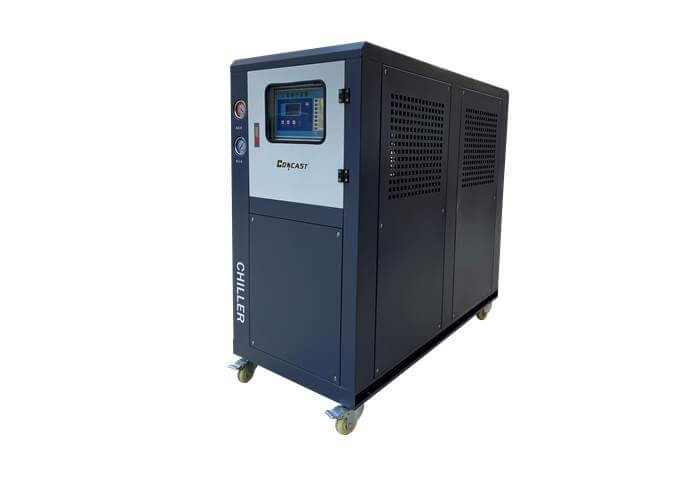
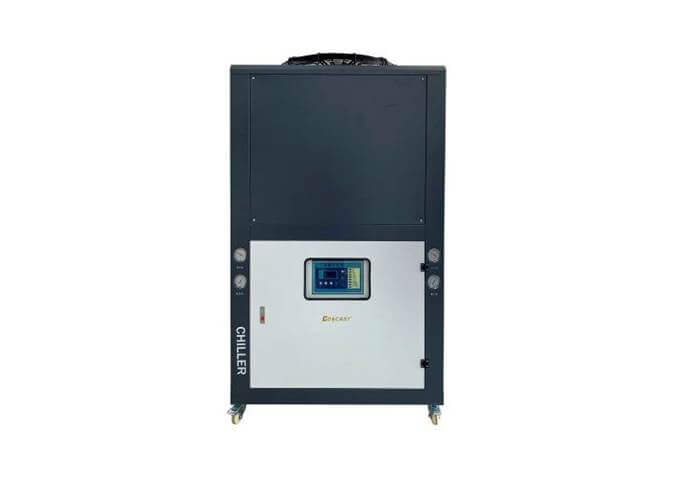
Water chiller

water chiller
water chiller video
water chiller

1Product Shows1

[sp_wpcarousel id=”9494″]

1Product Details1

[what is Air cooled water chiller]

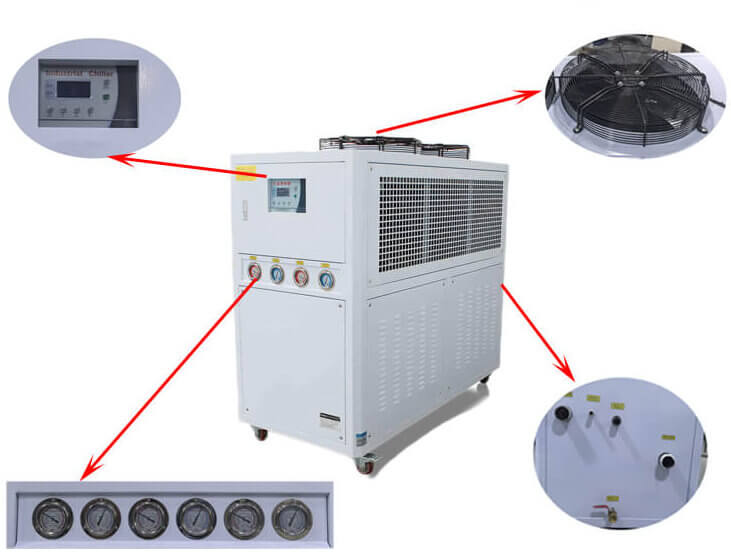
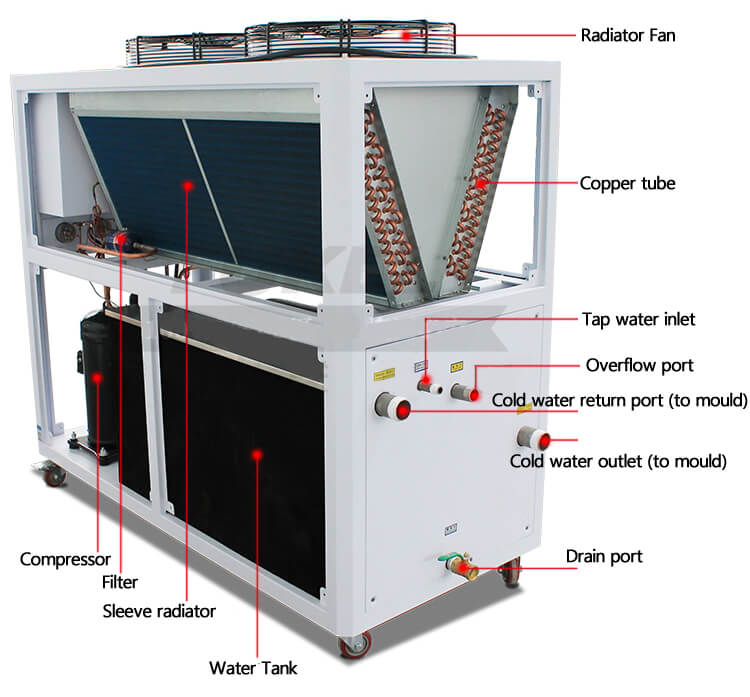
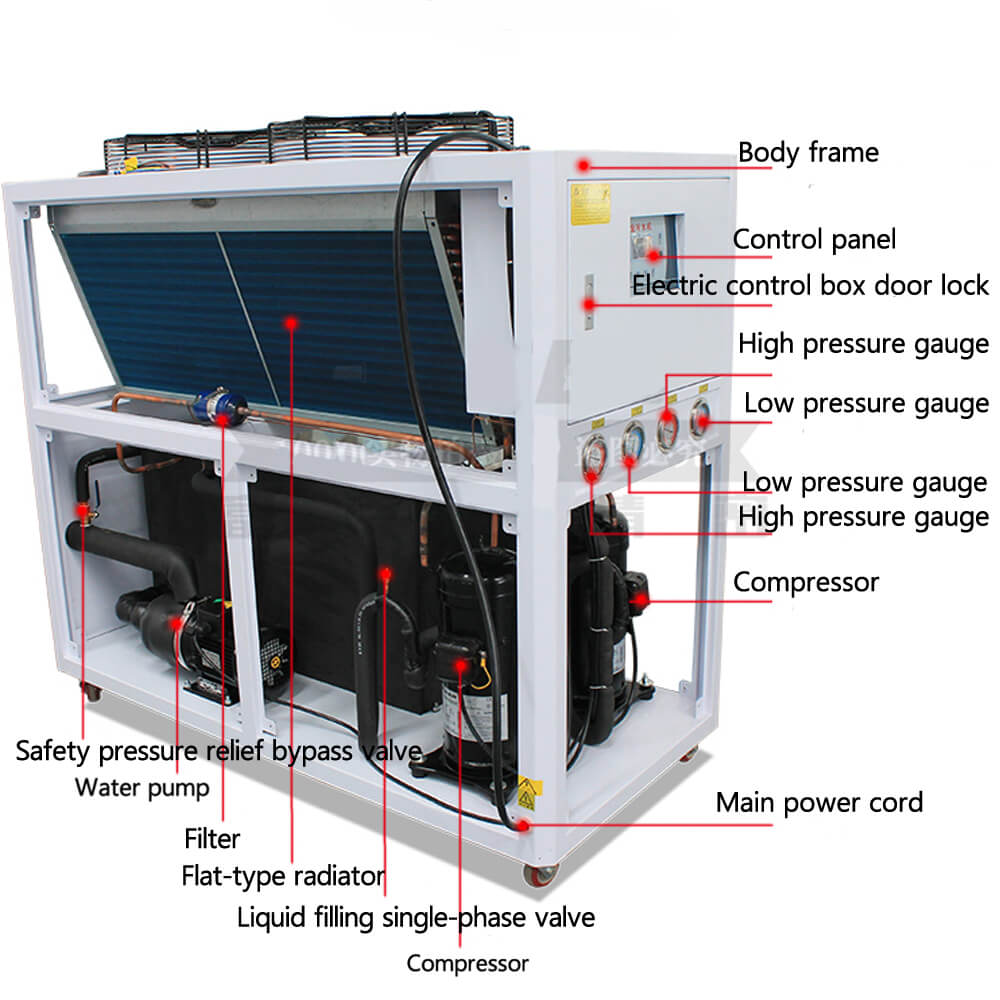
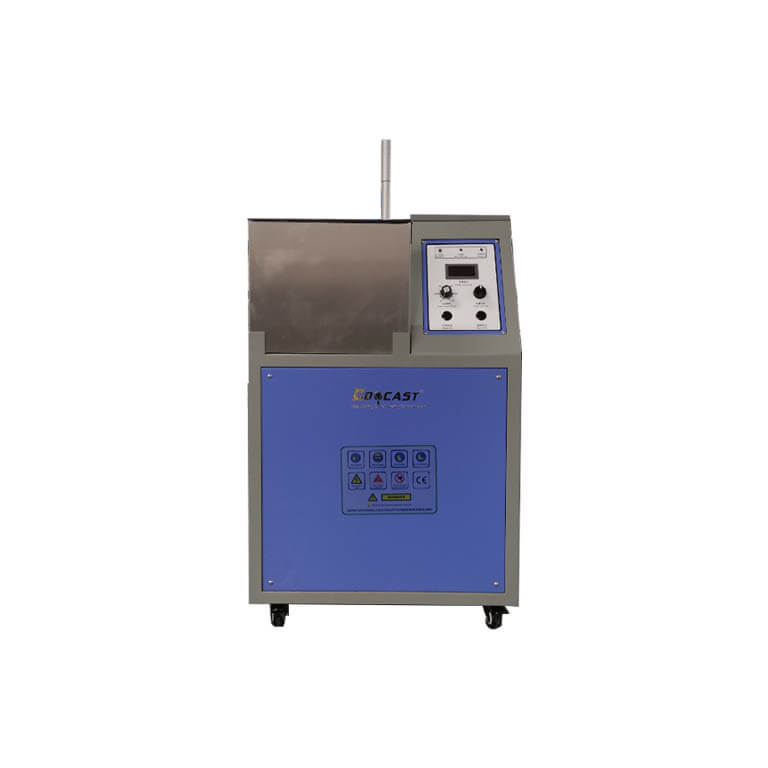
Air-cooled water chiller is one of the models of water chiller, the normal temperature water will be cooled to a certain temperature through the compressor of the chiller to strengthen the cooling mold or machine, as a stand-alone use, the radiator is a built-in fan, there are three interconnected systems: refrigerant circulation system, water circulation system, electric automatic control system.

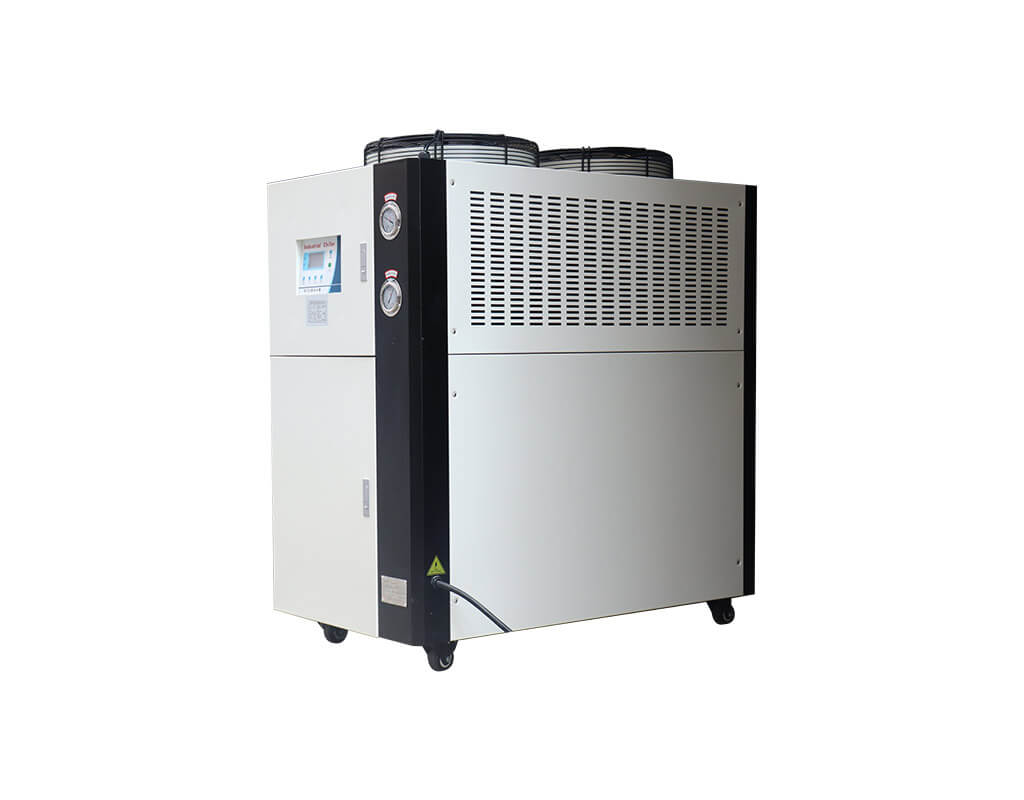
The air-cooled water chiller model is compact, small and movable. CDOCAST water chillers are mainly used in the cooling of intermediate frequency furnace and continuous casting, mainly applied in the process of lowering the temperature of the power supply furnace, to protect the whole equipment from the damage of high temperature. Sometimes, it is also used in the cooling of semi-products cooling.

Machine Pictures

water chiller

Water chiller Water ChillerWater chiller Water ChillerWater chiller Water Chiller

Water chiller Water Chiller

Parameter

Model numberCDO-W3PCDO-W5PCDO-W10PCDO-W15PCDO-W20PCDO-W30P
Cooling temperature5-35℃
Voltage380V, 3P, 50/60Hz
Refrigerating capacity7216Kcal/h12790Kcal/h28184Kcal/h44419 Kcal/h59442Kcal/h87741Kcal/h
Total power3.6KW5.5KW11KW17KW22.7KW30KW
Max current8.8A13.3A26.3A41.3A55.4A76.8A
Compressor power2.25KW3.75KW7.5KW11.25KW15KW22.5KW
Air fan power0.36KW0.36KW0.6KW1.1KW1.1KW3.3KW
Cooling water flow5m³/h5 m³/h12 m³/h16m³/h16m³/h20m³/h
Water tank capacity65L110L188L350L400L480L
Pump power0.55kw0.55kw1.5KW1.85KW2.2KW3KW
Hydraulic head20M25M20M20M30M28M
Weight100KG220KG350KG490KG590KG850KG
Overall dimension(cm)118*60*100130*55*135156*70*137170*70*162190*80*173260*100*180

Feature

1:The compressor unit adopts vortex type hermetically sealed compressor and electric control components, and is equipped with condenser and evaporator made of high quality copper tube for heat transfer and high efficiency.

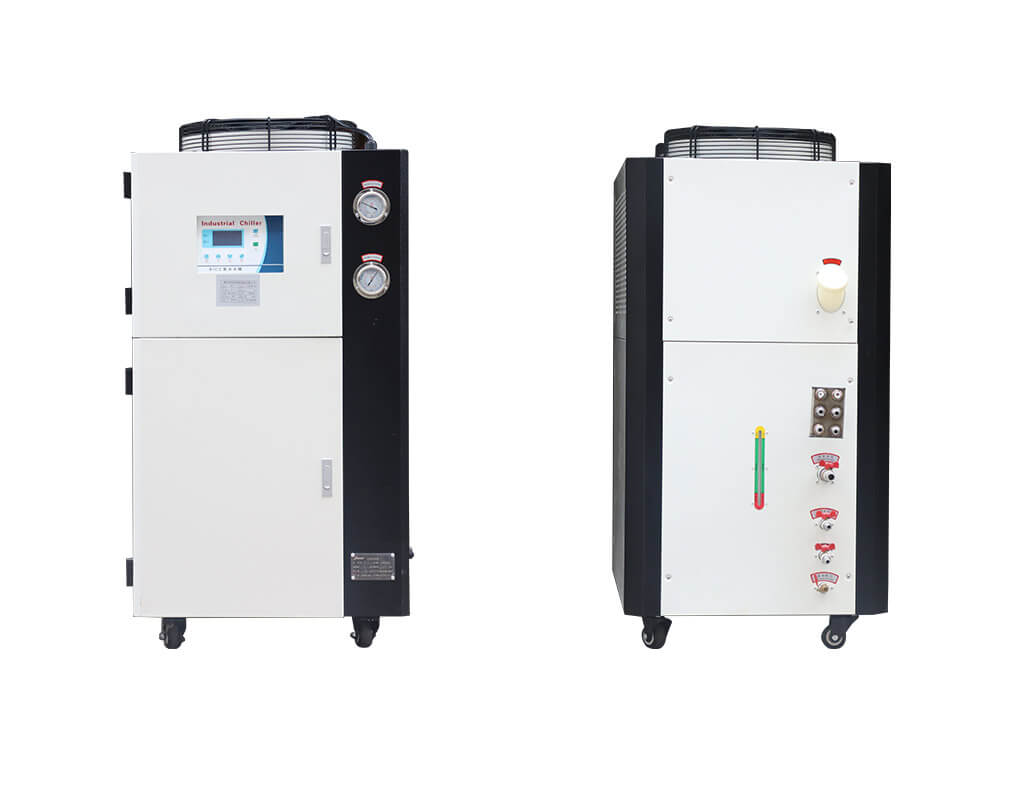
2:CDOCAST water chiller Equipped with all kinds of safety protection devices, stable performance, low noise, long service life, simple operation; the use of liquid crystal display man-machine interface, simple and convenient operation, operating conditions at a glance.

3:The water chiller  are equipped with single compressor or multi-compressor combined refrigeration system. The compressor can automatically alternate the operation according to the load change and balance the running hours of each compressor to save energy and extend the service life of the chiller set. It is convenient for energy adjustment and more energy-saving at partial load.

4:the whole water chiller designed with shell box structure & attractive appearance &compact structure, the chiller can be checked at any time; the chiller comes with its own water tank and circulating water pump according to the cooling capacity, without the need for installation of  cooling tower and cooling water pump, installation and maintenance is simple and convenient.

Q1. Why is your water chiller priced higher than some competitors?

Our chillers are high-end industrial cooling systems powered by Siemens Control Systems, offering significant advantages over standard brands:

(1) Unmatched Stability:** Siemens PLC and touchscreens are designed for harsh industrial environments, providing superior resistance to electromagnetic interference, vibration, and humidity. This minimizes downtime risks for your melting line.

(2) Precision Temperature Control:** Utilizing advanced **PID algorithms**, our system achieves ultra-precise cooling with fluctuations as low as **±0.1°C to ±0.3°C**.

(3) Energy Efficiency:** The intelligent control dynamically adjusts the speed of the **compressor, pump, and fan** based on the actual heat load, preventing energy waste.

(4) Easy Installation:** Our air-cooled design requires no external cooling tower, making it ideal for facilities with limited water sources or high mobility requirements.

Q2: What determines the actual cooling performance of a chiller?

Cooling capacity is determined by how much heat can be moved from the source (Melting Furnace) to the environment per unit of time. (1) Refrigeration System (90% Impact):** The real "heat mover" is the combination of the **Compressor (Copeland or Panasonic)**, **Evaporator (Copper)**, and **Condenser**. The compressor's power directly dictates the maximum cooling capacity. (2) Water Tank (10% Impact):** A larger tank provides "thermal inertia" and stability, acting as a buffer during load fluctuations, but it does not generate cooling power itself.

Q3: Why do you use Stainless Steel water tanks instead of Cast Iron?

Most low-cost suppliers use cast iron, but we prioritize water purity and longevity for precious metal casting.

Q4: How long is the service life of your water chiller?

(1)Continuous 24/7 Operation: Refrigerant typically needs replacement every 6-7 years.

(2)Daily Use (2-3 Hours): Service life can extend to 10 years before refrigerant replacement.

Note: We do not recommend use in strong acid/base environments or unprotected outdoor settings.

Q5. What is the ideal installation spacing for multiple chillers?

Proper ventilation is key to preventing high-temperature alarms:
Between Units: Maintain 1.0 - 1.5 meters.
Against a Wall: Maintain at least 0.8 - 1.0 meter for optimal heat dissipation.

Q6. My chiller has a High-Temperature Alarm. What should I do?

Common causes include:

(1)Poor Ventilation: Ensure the unit isn't in a cramped space. Moving it to a well-ventilated outdoor area (under a rain cover) can help.

(2)Dirty Water:** Change the water every 2-3weeks, especially when melting gold and silver, to maintain efficiency.

Q7: Is a more powerful water pump always better?

No. Excessive pump pressure or power can lead to high-load damage or even cause water pipes and joints to burst. Conversely, insufficient pressure leads to poor cooling. We match the pump power specifically to your melting equipment's needs.

Q8: How do I choose the right chiller model for my melting furnace?

Model selection is customized based on your furnace power (kW), usage frequency, and ambient temperature. Please provide your equipment specs, and our engineers will design the most cost-effective cooling solution for you.

Common Questions about Water Chiller

Our chillers are high-end industrial cooling systems powered by Siemens Control Systems, offering significant advantages over standard brands:

(1) Unmatched Stability: Siemens PLC and touchscreens are designed for harsh industrial environments, providing superior resistance to electromagnetic interference, vibration, and humidity. This minimizes downtime risks for your melting line.

(2) Precision Temperature Control:Utilizing advanced PID algorithms, our system achieves ultra-precise cooling with fluctuations as low as ±0.1°C to ±0.3°C.

(3) Energy Efficiency:The intelligent control dynamically adjusts the speed of the compressor, pump, and fan** based on the actual heat load, preventing energy waste.

(4) Easy Installation: Our air-cooled design requires no external cooling tower, making it ideal for facilities with limited water sources or high mobility requirements.

Cooling capacity is determined by how much heat can be moved from the source (Melting Furnace) to the environment per unit of time.

(1) Refrigeration System (90% Impact): The real “heat mover” is the combination of the Compressor (Copeland or Panasonic), Evaporator (Copper), and Condenser. The compressor’s power directly dictates the maximum cooling capacity.

(2) Water Tank (10% Impact): A larger tank provides “thermal inertia” and stability, acting as a buffer during load fluctuations, but it does not generate cooling power itself.

Most low-cost suppliers use cast iron, but we prioritize water purity and longevity for precious metal casting

(1) Continuous 24/7 Operation:Refrigerant typically needs replacement every 6-7 years.

(2) Daily Use (2-3 Hours):Service life can extend to 10 years before refrigerant replacement.

Note: We do not recommend use in strong acid/base environments or unprotected outdoor settings.

(1) Proper ventilation is key to preventing high-temperature alarms:

(2) Between Units: Maintain 1.0 – 1.5 meters.

Against a Wall: Maintain at least 0.8 – 1.0 meter for optimal heat dissipation.

(1) Poor Ventilation: Ensure the unit isn’t in a cramped space. Moving it to a well-ventilated outdoor area (under a rain cover) can help.

(2) Dirty Water:** Change the water every2-3weeks, especially when melting gold and silver, to maintain efficiency.

No. Excessive pump pressure or power can lead to high-load damage or even cause water pipes and joints to burst. Conversely, insufficient pressure leads to poor cooling. We match the pump power specifically to your melting equipment’s needs.

Model selection is customized based on your furnace power (kW), usage frequency, and ambient temperature. Please provide your equipment specs, and our engineers will design the most cost-effective cooling solution for you.

Q1. Why is your water chiller priced higher than some competitors?

Our chillers are high-end industrial cooling systems powered by Siemens Control Systems, offering significant advantages over standard brands:

(1) Unmatched Stability:** Siemens PLC and touchscreens are designed for harsh industrial environments, providing superior resistance to electromagnetic interference, vibration, and humidity. This minimizes downtime risks for your melting line.

(2) Precision Temperature Control:** Utilizing advanced **PID algorithms**, our system achieves ultra-precise cooling with fluctuations as low as **±0.1°C to ±0.3°C**.

(3) Energy Efficiency:** The intelligent control dynamically adjusts the speed of the **compressor, pump, and fan** based on the actual heat load, preventing energy waste.

(4) Easy Installation:** Our air-cooled design requires no external cooling tower, making it ideal for facilities with limited water sources or high mobility requirements.

Q2: What determines the actual cooling performance of a chiller?

Cooling capacity is determined by how much heat can be moved from the source (Melting Furnace) to the environment per unit of time. (1) Refrigeration System (90% Impact):** The real "heat mover" is the combination of the **Compressor (Copeland or Panasonic)**, **Evaporator (Copper)**, and **Condenser**. The compressor's power directly dictates the maximum cooling capacity. (2) Water Tank (10% Impact):** A larger tank provides "thermal inertia" and stability, acting as a buffer during load fluctuations, but it does not generate cooling power itself.

Q3: Why do you use Stainless Steel water tanks instead of Cast Iron?

Most low-cost suppliers use cast iron, but we prioritize water purity and longevity for precious metal casting.

Q4: How long is the service life of your water chiller?

(1)Continuous 24/7 Operation: Refrigerant typically needs replacement every 6-7 years.

(2)Daily Use (2-3 Hours): Service life can extend to 10 years before refrigerant replacement.

Note: We do not recommend use in strong acid/base environments or unprotected outdoor settings.

Q5. What is the ideal installation spacing for multiple chillers?

Proper ventilation is key to preventing high-temperature alarms:
Between Units: Maintain 1.0 - 1.5 meters.
Against a Wall: Maintain at least 0.8 - 1.0 meter for optimal heat dissipation.

Q6. My chiller has a High-Temperature Alarm. What should I do?

Common causes include:

(1)Poor Ventilation: Ensure the unit isn't in a cramped space. Moving it to a well-ventilated outdoor area (under a rain cover) can help.

(2)Dirty Water:** Change the water every 2-3weeks, especially when melting gold and silver, to maintain efficiency.

Q7: Is a more powerful water pump always better?

No. Excessive pump pressure or power can lead to high-load damage or even cause water pipes and joints to burst. Conversely, insufficient pressure leads to poor cooling. We match the pump power specifically to your melting equipment's needs.

Q8: How do I choose the right chiller model for my melting furnace?

Model selection is customized based on your furnace power (kW), usage frequency, and ambient temperature. Please provide your equipment specs, and our engineers will design the most cost-effective cooling solution for you.

Categories
Hydraulic Minting Press

Hydraulic Press For Minting

Hydraulic Press for Coin Minting and Gold Silver Bar Stamping

CDOCAST hydraulic press for minting is designed for gold and silver coin minting, bullion bar logo stamping, medal forming and commemorative piece production. The machine applies stable, controllable hydraulic pressure to transfer sharp logos, lettering and relief patterns from precision dies onto gold, silver, copper and other metal blanks.

Available from 100 to 1000 tons, our hydraulic coining press machines include economical frame-type presses, precision four-column hydraulic presses and energy-saving servo motor models. Each press can be matched with minting dies, sub-die holders and ejection systems for individual machines or complete gold and silver minting lines.

Choose the Right Minting Press

The correct structure and tonnage depend on product size, metal, relief depth, die area, output and automation requirements.

200 ton hydraulic coining press for gold and silver minting

200T Hydraulic Press Minting Line

A practical option for common gold and silver coin minting and small-to-medium bullion bar logo stamping. It balances pressure, footprint and investment for regular production.

Coin mintingBullion barsCompact line
Watch the 200T line →
300 ton frame type hydraulic press with PLC touch screen

300T Frame-Type Hydraulic Press

A cost-effective press with good access around the die area. Suitable for medium-size coins, medals and precious-metal bars where flexible setup and a compact structure are important.

Frame pressPLC controlFlexible setup
Watch the frame press →
300 ton four column hydraulic press for precision coin minting

300T Four-Column Hydraulic Press

Four guided columns provide balanced movement and uniform pressure distribution. Choose this structure when parallelism, repeatability and consistent relief depth are priorities.

Four-columnHigh stabilityPrecision minting
Watch the four-column press →
1000 ton servo hydraulic press for large bullion bar stamping

1000T Servo Hydraulic Press

A high-tonnage solution for large dies, deep-relief patterns and continuous precision production. Its servo hydraulic system provides controlled forming force with lower energy use and operating noise.

Servo control1000 tonDeep reliefLarge products

How a Hydraulic Coining Press Works

The press converts hydraulic pressure into a controlled forming force so the die transfers a clean design onto the precious-metal blank.

Load

Place the annealed coin blank or bullion bar accurately in the lower die.

Approach

The movable table approaches quickly, then changes to a controlled pressing speed.

Press & Dwell

Preset pressure, stroke and dwell time form the logo, text, edge and relief details.

Return & Eject

The ram returns and the product is removed manually or by a matched ejection system.

Frame, Four-Column or Servo Press?

There is no single structure that is best for every minting application.

Frame-Type

  • Lower initial investment
  • Good die-area access
  • Compact workshop footprint
  • Best for general coin and bar work

Four-Column

  • Stable guided movement
  • More uniform pressure
  • Good parallelism and repeatability
  • Best for precision or larger dies

Servo-Controlled

  • Precise pressure and stroke control
  • Lower energy consumption
  • Quieter, cooler operation
  • Consistent high-value production

Selection note: do not choose tonnage only by product weight. Send us the product diameter or dimensions, material, relief depth, die size and expected output so the press and tooling can be matched correctly.

Servo Motor Hydraulic Control System

Four clear advantages over a conventional fixed-speed motor. For selection details, read our hydraulic press buyer guide.

Efficiency + Precision

4 Reasons to Choose Servo Drive

⚡ On-Demand Energy OutputUp to 20% Saving

The pump reduces output during pressure holding and standby instead of running continuously at full demand.

🎯 Precise Forming ControlPressure + Stroke

Fine control of pressure, speed, position and dwell helps reproduce sharp logos and consistent relief depth.

🔇 Quieter, Cooler OperationBelow 75 dB

Less idle running lowers operating noise and hydraulic-oil heat for a better workshop environment.

🛡 Repeatability & Die ProtectionStable Batches

Saved recipes and smooth pressure build-up improve repeat orders while reducing unnecessary impact on costly dies.

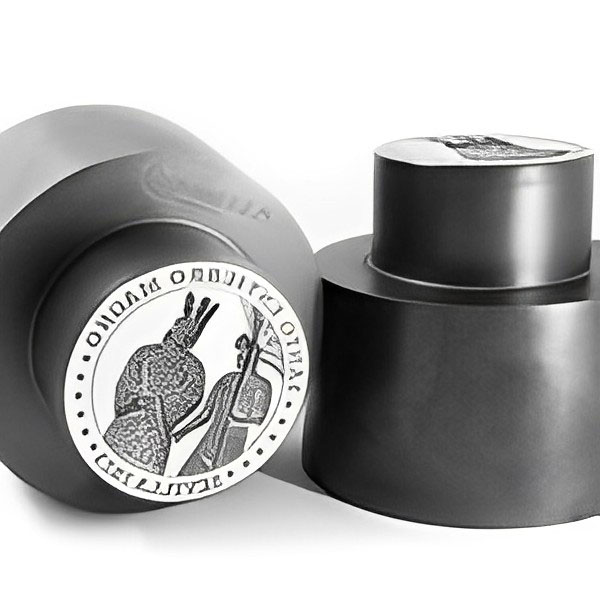
Minting Dies and Sub-Die Holder

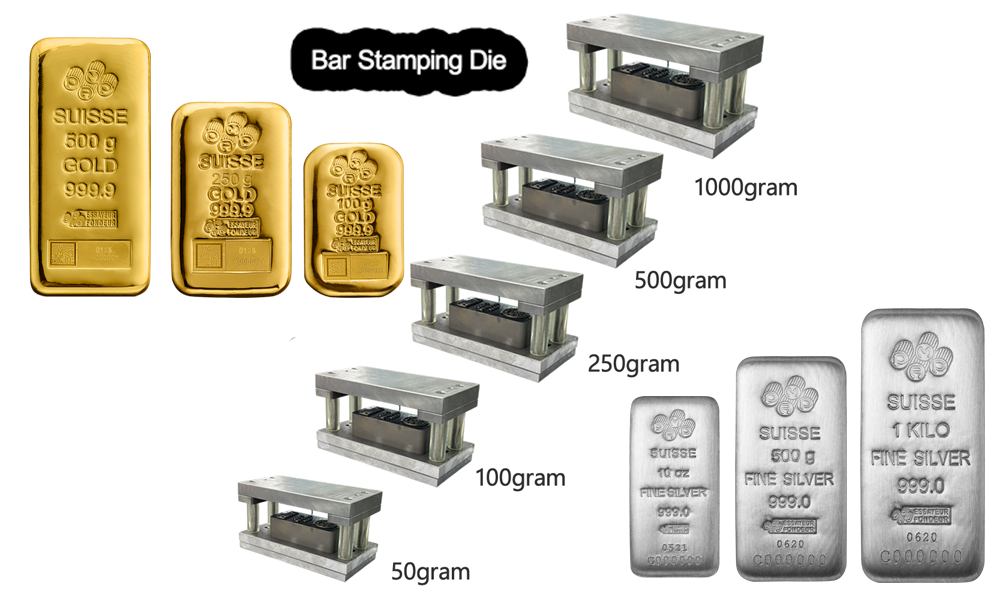
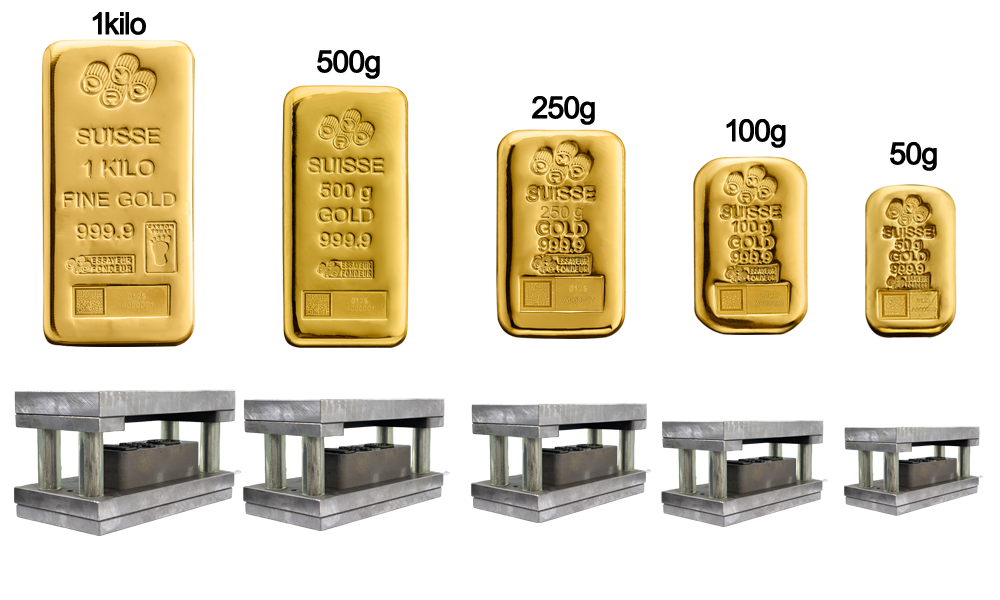
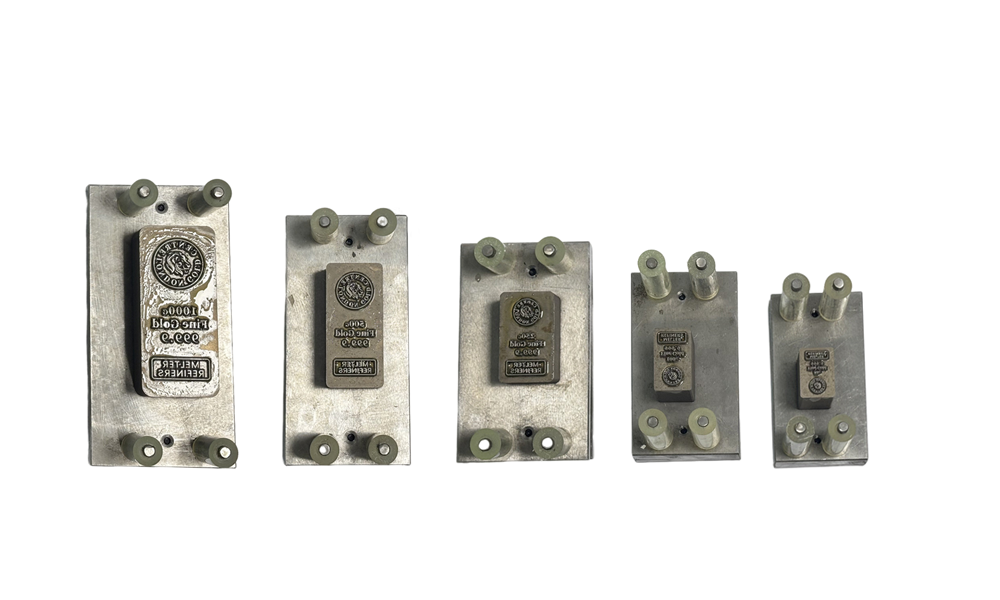
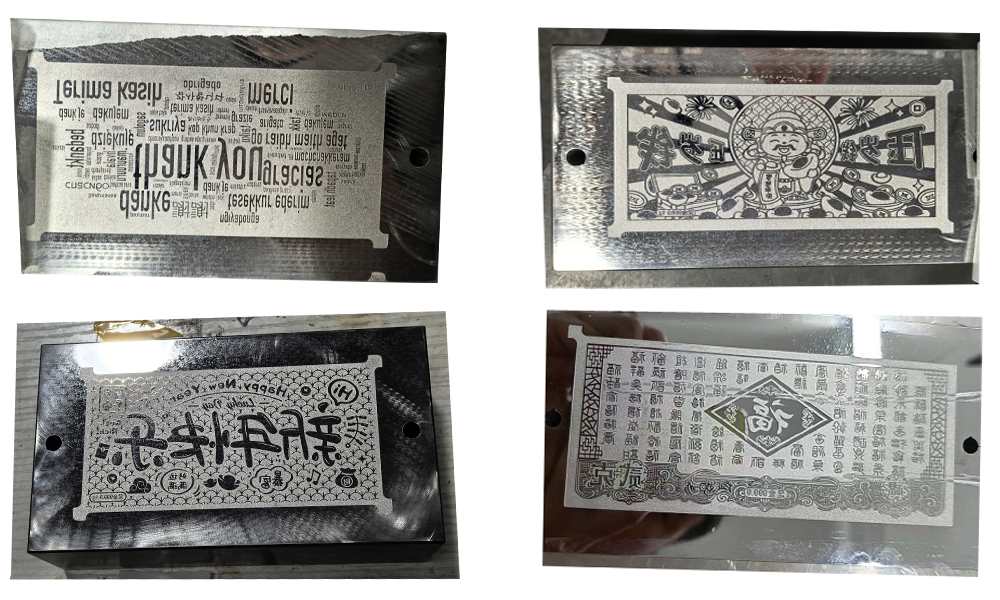
The press, die and blank preparation form one process. A matched die holder supports the dies, distributes force, assists ejection and helps contain fragments if a die fails. This protects the press table and improves tooling life.

CDOCAST can supply bar dies, coin dies and matched tooling according to your artwork, dimensions and production target.

CDOCAST minted gold and silver bar dies for hydraulic stamping press

Core Machine Features

High-Rigidity StructureHeavy steel construction and stress-relief treatment help maintain press accuracy under repeated high loads.
Bottom-Drive Hydraulic SystemA low center of gravity, guided movement and controlled approach improve stability and workshop safety.
Adjustable Process ParametersPressure, stroke, pressing speed and dwell time can be set for different metals, sizes and relief designs.
PLC Touchscreen ControlSave and repeat process settings while monitoring machine status and production parameters.
Manual and Automatic ModesManual mode supports setup and sampling; automatic mode supports consistent production cycles.
Interlocked Safety ProtectionSafety light curtains, an emergency stop and an optional protective door reduce operating risk.

Hydraulic Press Specifications

Standard reference data for 100–1000 ton models. Final specifications are confirmed according to your product and die.

ModelCDO-100M1CDO-200M1CDO-300E1CDO-500M1CDO-1000M1
Rated capacity (ton)1002003005001000
Max. system pressure (MPa)2422242525
Movable table stroke (mm)160150150150150
Opening height (mm)370380380450500
Table size L–R (mm)420520580710900
Table size F–B (mm)420500540640880
Upward speed (mm/s)12090808080
Return speed (mm/s)110105908080
Motor power (kW)5.55.57.51522
Approx. weight (kg)16502400330055009800

Specifications may be customized. Confirm the available die space, daylight, stroke, electrical supply and safety configuration before ordering.

Hydraulic Press for Minting FAQ

Practical answers for selecting and operating a precious-metal minting press.

How do I select a hydraulic press from 100 to 1000 tons?

Select it according to the product material, diameter or dimensions, design area, relief depth, die size and required output. Product weight alone is not enough to calculate suitable press tonnage.

Can a punching machine and hydraulic minting press replace each other?

No. Punching uses fast impact and a short stroke for cutting or blanking, while minting requires stable, continuous and uniform pressure—often with a controlled dwell time—to transfer fine die details.

What is the difference between a servo press and a standard motor press?

A servo hydraulic press offers more precise control of pressure, speed and position, with lower noise and better energy efficiency. It is valuable for high-repeatability products, including small precious-metal bars and precision coins.

Should I choose a frame-type or four-column hydraulic press?

A frame press is compact, accessible and cost-effective for general production. A four-column press provides more stable guidance and uniform pressure, making it preferable for larger dies or applications requiring better parallelism.

Can one large press make every bar size from 1 g to 500 g?

It is usually not recommended. An oversized press can be inefficient at very low operating pressure and may increase tooling risk. Dividing a very wide product range between suitably sized presses generally improves control and efficiency.

Why are upper and lower bolster plates needed?

Bolster plates absorb localized wear and deformation, support the tooling and protect the main press surfaces. They help preserve machine accuracy and are easier to repair or replace than the main table.

What is the purpose of a sub-die holder?

A matched sub-die holder distributes force, supports the dies, may integrate an ejection system and helps contain fragments if a die breaks. It improves rigidity, operating safety and mold life.

Does the hydraulic press require a water chiller?

For a standard production shift, the built-in cooling system is normally sufficient. A separate water chiller may be recommended for continuous high-frequency operation exceeding about 10 hours, depending on ambient temperature and cycle rate.

Can an automatic ejection holder be added to an existing press?

Only after technical verification. The holder must match the press shut height, available stroke, die dimensions and control system. An incompatible assembly can damage the tooling or press.

How does the safety light curtain protect the operator?

The light curtain creates an infrared safety field near the working area. If a hand or object interrupts the beam during a hazardous movement, the control system stops the press cycle.

Qualify a Gold Coin Press with Your Actual Blank and Die

A gold coin press should be selected from the design to be formed, not from coin weight alone. Two products with the same weight may have different face areas, thicknesses and relief. Those differences change the forming task and the tooling arrangement.

Define the pressing operation

For coin minting, provide the front and reverse artwork, diameter, blank thickness, alloy condition and edge requirement. For bullion bar stamping, identify the actual logo area, marking depth and the shape of the cast or prepared bar. Blanking a coin from strip, forming a complete relief and stamping a small logo are different operations.

Check the complete tooling stack

List the upper and lower dies, holders, collars, bolster plates and any ejector in the mounting drawing. Check the installed tool height against the press opening, stroke and available working space. A die that fits the table may still be unsuitable if the mounting, return stroke or removal path is wrong.

Agree a sample-based acceptance method

Trial the intended alloy and blank condition with the proposed die. Review relief filling, lettering, front-to-back alignment, edge formation, removal marks and repeatability across consecutive pieces. Set dimensional and appearance criteria before the trial. An isolated good-looking strike does not establish output for a full shift.

Compare Minting Press Price, Working Cycle and Installation Scope

Compare quotations with the same frame structure, rated force, tooling, controls and handling scope. A bare press price is not comparable with a hydraulic minting machine supplied with dies, holders, ejection equipment and guarding. Identify automatic feeding and collection separately rather than assuming that PLC control makes the entire line automatic.

For a servo hydraulic minting press, request electricity measurements over a stated production cycle, including approach, pressing, dwell, return and waiting. Motor rating is not a batch-energy figure, and a claimed saving percentage needs a defined comparison machine and duty cycle. Pressure and dwell should be selected to form the product without using more force than the qualified process requires.

Before delivery, review the final machine mass, floor support, unloading and positioning route with the installation team. Confirm the specified electrical supply, hydraulic-oil requirements, cooling arrangement and tooling-change procedure. Commissioning should include operator training and checks of the supplied guards, interlocks and emergency-stop functions by qualified personnel.

Use the coin minting die and bar stamping die drawing as part of the press quotation. This keeps the force, mounting and ejection requirements tied to the actual product instead of treating the press and tooling as unrelated purchases.

Send Your Product Details for Press Selection

Tell us the metal, product dimensions, weight, relief depth, die size and target output. CDOCAST will recommend the press structure, tonnage, tooling and production configuration.

Contact CDOCAST for a Quote

Machine Pictures


100-1000 Tons Frame Hydraulic Press Machine

Click to watch the video

hydraulic press machine for minting

Hydraulic Press For Minting Water Chiller

100-1000 Tons Four-column Downstroke Hydraulic Press Machine (Touch Screen & Servo Motor)

300-ton Four-Column Hydraulic Press MachineFully Automated Hydraulic Press Machine

Click to watch the video

Hydraulic Press For Minting Water Chiller

Dies:

    Click to Learn More About the dies

Hydraulic Press For Minting Water Chiller

coin die for minting

CDOCAST / PRODUCT BROCHURE

Hydraulic Press For Minting

Explore equipment specifications, configurations and applications.

English PDF · 17.8 MB

Categories
Heat Treatment Equipment for Precious Metals

fire assay cupellation furnace

Fire Assay Laboratory Furnace

Fire Assay Cupellation Furnace for Gold and Silver Assay

The CDOCAST fire assay cupellation furnace is designed for the cupellation stage of precious metal assay, where lead and base metals are oxidized and absorbed by cupels while gold and silver remain as a clean assay bead.

Compared with a standard box furnace, this cupellation furnace is built with controlled oxygen supply, high-temperature uniformity, lead oxide fume exhaust and laboratory safety protection for repeatable gold and silver fire assay results.

ModelCDO-CP fire assay cupellation furnace.
TemperatureMaximum operating temperature 1150°C.
Chamber300 × 200 × 200 mm working chamber.
ApplicationGold assay, silver assay and precious metal laboratory testing.
CDOCAST fire assay cupellation furnace for gold silver assay laboratory

Designed for cupellation, not general heat treatment. The furnace helps maintain an oxidizing atmosphere and remove lead oxide fumes during fire assay.

What Is a Fire Assay Cupellation Furnace?

A fire assay cupellation furnace is a high-temperature laboratory furnace used after fusion in the traditional gold and silver fire assay method. The lead button is placed in a porous cupel and heated under an oxidizing atmosphere.

During cupellation, lead and other base metals oxidize into litharge (PbO) and are absorbed by the cupel. Gold and silver remain as a metallic bead for weighing or further chemical separation.

For laboratories, the key point is repeatability. Stable temperature, controlled oxygen flow and reliable exhaust directly affect cupellation speed, bead cleanliness and assay consistency.

Precious Metal Assay Labs

For gold mining laboratories, refineries, jewelry assay labs, universities and research institutes.

Controlled Oxidation

Dual oxygen flowmeters help the operator adjust oxidizing atmosphere during cupellation.

Lead Oxide Exhaust

A top-mounted exhaust chimney helps discharge PbO fumes generated in the cupellation stage.

Repeatable Test Result

PID control, uniform heating and stable chamber insulation support repeatable fire assay work.

Fire Assay Cupellation Working Process

The cupellation furnace is used after sample fusion. It is not used to replace the full fire assay workflow, but it is the key machine for the lead button oxidation stage.

1Fusion stageThe sample is fused with flux to form a lead button that collects gold and silver.
2Place in cupelThe lead button is placed into a porous cupel suitable for the sample size and assay method.
3CupellationThe furnace heats the cupel under controlled oxidizing atmosphere at high temperature.
4Precious metal beadLead oxide is absorbed by the cupel, leaving a clean gold-silver bead for final analysis.

Machine Details for Cupellation Operation

Control System and Heating Performance

The CDO-CP cupellation furnace uses an intelligent PID programmable controller with up to 30 heating segments. This helps laboratories create repeatable heating curves for gold assay and silver assay work.

U-shaped silicon carbide heating rods are installed on both sides of the chamber for fast heating, temperature uniformity and easier maintenance. The chamber uses vacuum-formed high-purity alumina fiber with multi-layer insulation to reduce heat loss.

  • PID programmable temperature controller with ±1°C control accuracy.
  • Maximum heating rate up to 15°C/min, adjustable according to process need.
  • Temperature uniformity ±5°C within the effective working zone.
  • Type K thermocouple for 0-1200°C measurement range.
touch screen control system for fire assay cupellation furnace PID temperature control

Touch screen control supports programmable heating and easier operation for laboratory technicians.

CDO-CP Fire Assay Cupellation Furnace Specification

ItemSpecificationBuyer Note
ModelCDO-CPStandard laboratory cupellation furnace model.
Furnace TypeFire Assay Cupellation FurnaceDesigned for gold and silver fire assay cupellation stage.
Maximum Operating Temperature1150°CSuitable for common cupellation operation. Higher temperature requires upgraded heating elements.
Temperature Control Range50-1150°CProgrammable temperature control for laboratory workflow.
Chamber Dimensions300 × 200 × 200 mmConfirm cupel size and loading quantity before quotation.
Power SupplyAC 380 VVoltage can be confirmed according to local electrical standard.
Temperature SensorType K thermocouple, 0-1200°CStable temperature feedback for cupellation control.
Temperature Control Accuracy±1°CImportant for repeatable assay conditions.
Temperature Uniformity±5°C within effective working zoneHelps reduce differences between cupel positions.
Heating RateUp to 15°C/min, adjustableSlow heating down to 1°C/h can be programmed when needed.
Heating ElementsU-shaped silicon carbide heating rodsSide-mounted design supports uniform heating and easier replacement.
Chamber MaterialVacuum-formed high-purity alumina fiberLightweight insulation with good thermal cycling resistance.

Why This Furnace Is Different from a Normal Box Furnace

Standard Box Furnace

A normal box furnace is mainly used for heating, sintering, annealing or general laboratory heat treatment. It may not provide controlled oxygen flow or a dedicated exhaust path for lead oxide fumes.

  • General heating chamber.
  • No dedicated dual oxygen flow system.
  • Usually not designed for PbO fume handling.
  • Less suitable for repeatable cupellation work.

Fire Assay Cupellation Furnace

A cupellation furnace is built around the fire assay process. It supports oxidizing atmosphere control, stable chamber temperature, cupel loading and exhaust discharge during lead button oxidation.

  • Controlled air and oxygen supply.
  • Top exhaust chimney for cupellation fumes.
  • Programmable PID heating segments.
  • Designed for gold assay and silver assay laboratories.

Key Features for Precious Metal Assay Laboratories

High-Precision Temperature Control

±1°C control accuracy and up to 30 programmable heating segments support repeatable fire assay cupellation.

Dual Oxygen Flow Control

Independent oxygen flowmeters help adjust the oxidizing atmosphere according to cupellation requirement.

Efficient Exhaust System

The top exhaust chimney helps remove lead oxide fumes and can connect with laboratory fume treatment systems.

SiC Heating Rods

U-shaped silicon carbide heating rods provide fast heating, stable temperature and long service life.

Safe Furnace Housing

Double-layer air-cooled structure helps reduce surface temperature and improve operator safety.

Industrial Construction

CNC machining, phosphating, powder coating and high-temperature baking improve durability and corrosion resistance.

Buyer Checklist Before Quotation

To select a suitable fire assay cupellation furnace, the buyer should confirm the actual laboratory workflow instead of only asking for price.

  • Required chamber dimensions and cupel loading quantity.
  • Operating temperature and heating program requirement.
  • Cupel material, cupel size and sample batch size.
  • Oxygen or air supply condition in the laboratory.
  • Lead oxide fume exhaust and waste gas treatment requirement.
  • Local power supply, voltage and installation environment.

Customization Options

CDOCAST can customize chamber size, voltage, controller configuration, gas flow arrangement and exhaust connection according to the laboratory requirement.

If a higher operating temperature is required, heating elements can be upgraded to silicon carbide or molybdenum disilicide, but the equipment cost will be higher.

For safety, laboratories should plan cupellation furnace exhaust together with local ventilation and environmental treatment requirements.

FAQ About Fire Assay Cupellation Furnace

What is a fire assay cupellation furnace used for?

It is used for the cupellation stage of gold and silver fire assay. The furnace oxidizes lead and base metals under a controlled oxidizing atmosphere, leaving a precious metal bead for weighing or further analysis.

What is the difference between a cupellation furnace and a normal box furnace?

A cupellation furnace has controlled air or oxygen supply and an exhaust system for lead oxide fumes. A normal box furnace is mainly for general heating and usually is not designed specifically for fire assay cupellation.

What temperature does the CDO-CP cupellation furnace operate at?

The standard maximum operating temperature is 1150°C, with a control range from 50°C to 1150°C. If a higher temperature is required, the heating element configuration must be upgraded.

Can CDOCAST supply cupels for fire assay?

Yes. CDOCAST can supply cupels in different materials and sizes according to sample type, cupellation method and laboratory requirement.

Can this furnace test both gold and silver?

Yes. The fire assay cupellation furnace is mainly used for gold and silver assay, especially in gold mining labs, refineries, jewelry assay labs and research laboratories.

What information is needed for quotation?

Please provide chamber size requirement, operating temperature, cupel material and dimensions, gas or oxygen supply condition, waste gas treatment requirement, power supply and expected sample batch size.

What is the warranty?

The standard warranty is one year. Spare parts, heating elements and technical support can be discussed according to the project requirement.

Need a Cupellation Furnace for Your Assay Lab?

Send your cupel size, sample quantity, chamber size requirement, operating temperature and exhaust treatment plan. CDOCAST can recommend a suitable fire assay cupellation furnace configuration for your laboratory.

Request a Quote
Categories
Heat Treatment Equipment for Precious Metals

Wax Burnout Oven

Wax burnout furnace
Video thumbnail of a cast jewelry tree held beside casting equipment
Wax burnout machine for jewelry casting

1Product Shows1

[sp_wpcarousel id=”9485″]

1Product Details1

[what is wax burnout oven]

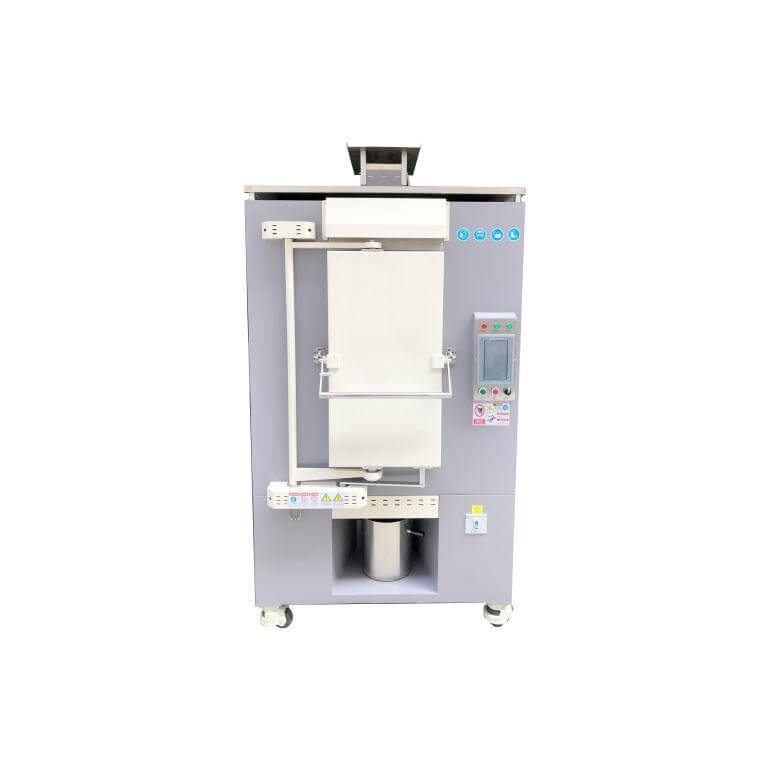
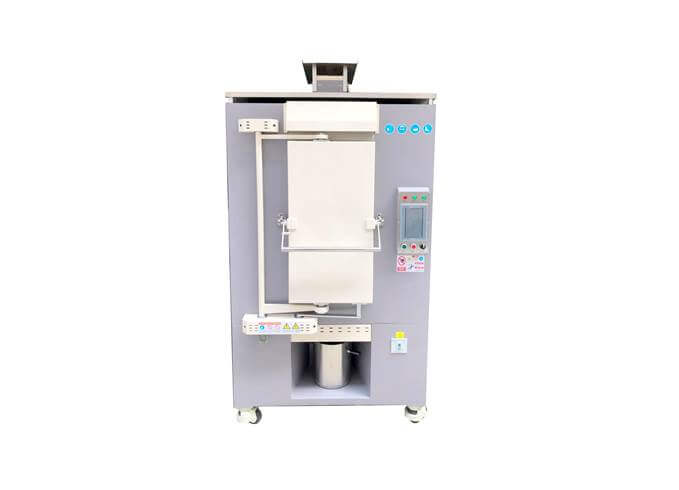
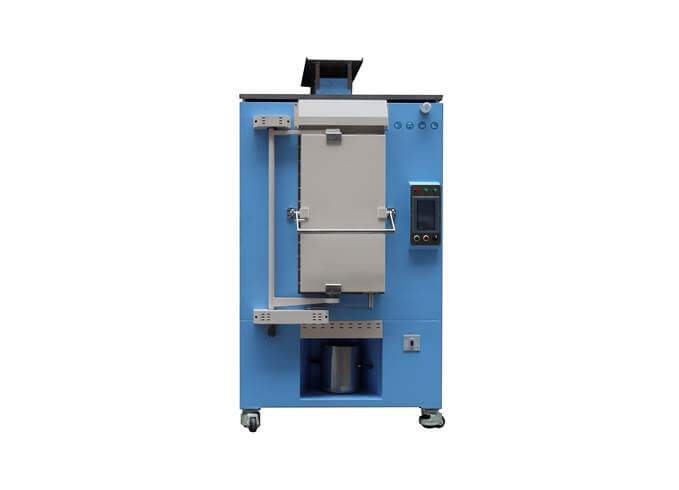
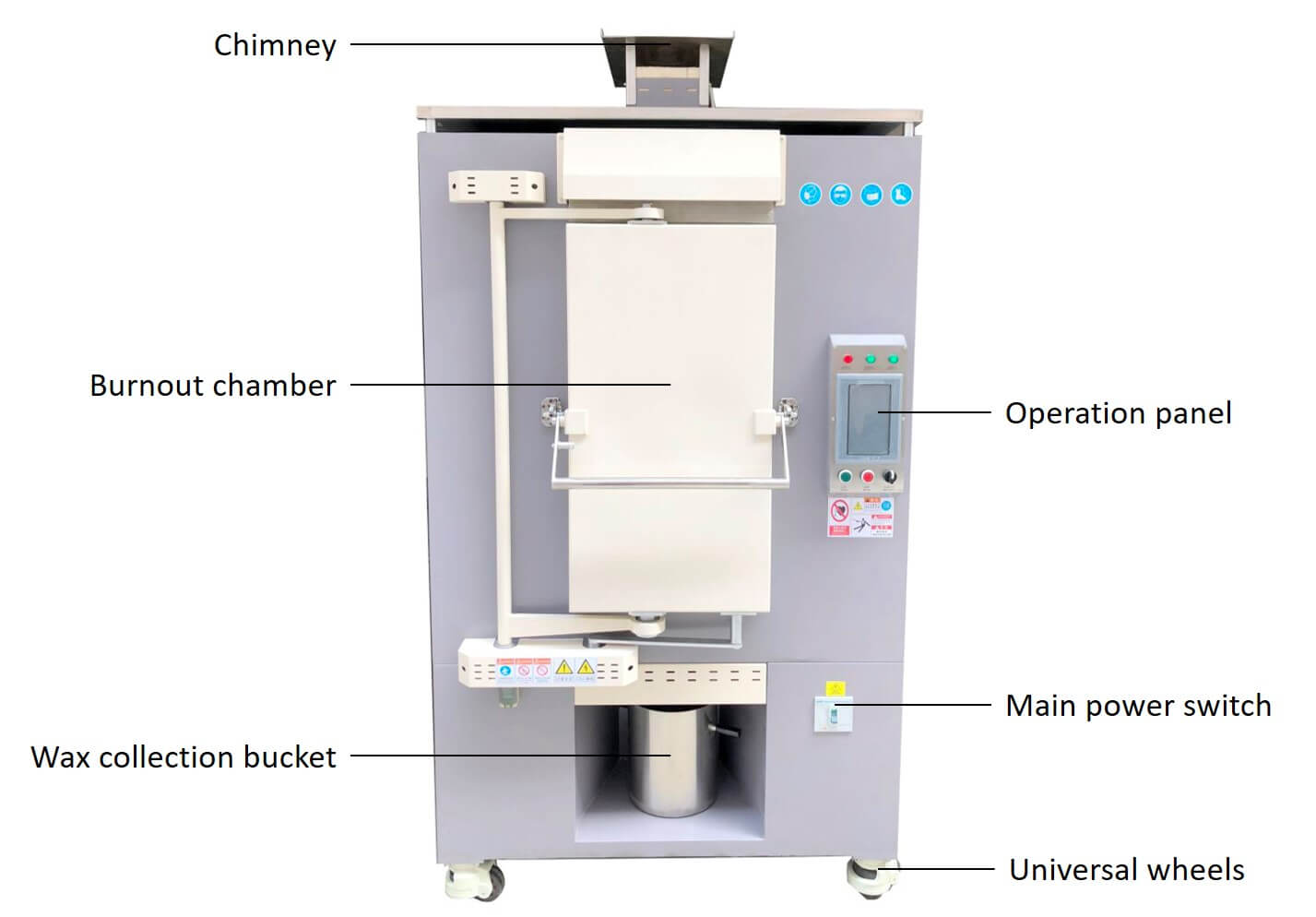
The Wax Burnout Oven is used for melting and flowing the wax in the plaster mold and a hollow plaster mold is obtained in the process of jewelry casting.

A special secondary combustion design recollects the part of the dewaxing process that is not fully burned and re-burns fully to minimize the wax smell in the environment.

The Oven adopts a stainless steel shell, which is more durable than an iron shell and has better anti-corrosion performance. It uses high temperature resistant and wear-resistant bricks as thermal insulation bricks to ensure stable temperature.

Also, the Burnout Oven is easy to operate and adopts imported heating wire. When replacing the heating wire, there is no need to disassemble the refractory plate, and it can be replaced directly.

The oven has high safety performance. When the furnace door is opened, it will automatically cut off the power to ensure the safety of the operator.

Machine Pictures

Detailed wax burn out ovenfloor stand type box type furnace for jewelry castingchamber of burnout furnace

Parameter

Model numberCDO-WF2CDO-WF4CDO-WF6CDO-WF9CDO-WF12CDO-WF18CDO-WF24CDO-WF32
Power source220V, 1P220V, 1P220V, 1P220V, 1P380V, 3P, 50/60Hz380V, 3P, 50/60Hz380V, 3P, 50/60Hz380V, 3P, 50/60Hz
Power2.5kw3kw6kw6kw7.5kw7.5kw9kw12kw
Capacity2 pcs 4*9" flask4 pcs 4*9" flask6 pcs 4*9" flask9 pcs 4*9" flask12 pcs 4*9" flask18 pcs 4*9" flask24 pcs 4*9" flask32 pcs 4*9" flask
Max temperature1000℃1000℃1000℃1000℃1000℃1000℃1000℃1000℃
Chamber size300*150*300 mm310*310*350 mm440*310*350 mm440*440*350 mm440*310*570mm440*460*570 mm580*460*570 mm600*600*570 mm
Dimension470*750*940 mm620*750*940 mm620*890*980 mm740*880*970 mm620*900*1080 mm760*900*1080 mm1020*770*1100 mm1030*900*1100 mm
Weight81KG103KG136KG150KG165KG179KG186KG200KG

Feature

Features of the wax burnout oven

1Wax burnout oven is specially designed for secondary combustion, it recollects the incomplete part of the dewaxing process and re-burns it to fully burn and minimize the wax smell in the environment.

2Full automatic temperature control with over-temperature protection and break-even protection to prevent the stove from burning out of control and causing fire hazards.
3:. Proven intermittent power failure function to control the heating speed, to ensure the quality of plaster type sintering and improve the output rate of castings.
4. The heating element design layout is reasonable, the temperature inside the furnace is even, air convection is favorable to the evaporation and discharge of water after heating of wet workpiece, which improves the service life of heating element.
5 The furnace door is equipped with a safety device, when the door is opened, the door automatically closes to ensure the safety of the operator.
6The furnace is made of new high temperature resistant and light weight material, which has the characteristics of high efficiency, energy saving and environmental protection.

Categories
Heat Treatment Equipment for Precious Metals

Rotary burnout oven

rotary burnout oven
Rotary Burnout Oven video
rotary burnout oven

1Products Shows1

[sp_wpcarousel id=”10630″]

1Product Details1

[what is rotary burnout oven]

Wax rotary burnout oven  is used for melting and flowing the wax in the plaster mold and a hollow plaster mold is obtained in the process of jewelry casting.
Special design for two-time burning; it will re-collect those not fully burnt during the dewaxing process and let them be burnt again for full combustion, and reducing the wax flavor in the environment as much as possible.

Machine Pictures

rotary burnout oven

Rotary burnout oven Water Chiller

Rotary burnout oven Water Chiller

Parameter

ModelCDO-RB20
Voltage3-phase 380V, 50/60 Hz
Power20 KW
Max temperature1000 °C
Working size700 * 700 * 700mm
Flask quantity32 pcs of 4*10 inch flask
Max height of the flask11 inch (280mm)
Number of heating layers2 layers
PLC touch screenEquipped
Temperature controlEquipped
Outer dimensions1300 * 1100 * 2200mm
WeightAbout 800 kg

Feature

Feature:

1: CDOCAST burnout oven burning temperature is unformed and the temperature accuracy can be 2 degree with the temperature displace can be 0-1200C.

2: Max burning temperature is 900 Degree, and come with the  temperature protection system, once the temperature is over than the set temperature, the power supply will be cut automatically, so can guarantee the machine and the castings can be well protect from damage.

3: Designed With second burning function, can Re-burning the exhaust gas in the furnace, Minimize air pollution and is an extremely environmentally friendly device.

4: Built-in two-layer rotating turntable, it can hold 40pcs 4*8 flask, and the single-layer load is about 50Kg, which is very suitable for large-scale jewelry manufacturers.

5: Rotate burnout oven comes with Touch screen editable program system design , with running data logging function, can store data running continuously for 30 days, support U disk CSV export data record file.

Common Questions About Rotary burnout oven

A: The internal standard dimensions of this rotary oven are 700mm (W) x 700mm (D) x 700mm (H). Yes, we support size customization based on your production needs.

A: The standard-sized rotary oven is equipped with 2 layers of rotating trays. With reasonable layout, it can simultaneously load up to 36 pcs of standard φ4 x 11-inch flasks, making it ideal for centralized dewaxing and firing of small to medium batch jewelry casting.

A: The maximum design temperature of this equipment can reach 1000°C, fully meeting the requirements for complete dewaxing and high-temperature firing of plaster molds for various precious metal casting. It is equipped with a temperature protection system; once the temperature exceeds the set point, the power will automatically cut off, ensuring the machine and castings are not damaged.

A: This rotary oven uses electric resistance heating. The furnace chamber is lined with heating elements on three sides to ensure even heating.
Working Principle: It provides precise temperature control through multi-zone electric radiant heating while driving the loaded part carrier to rotate at a constant speed, achieving dynamic and uniform heating of the parts. The melted wax flows smoothly out of the oven through a dedicated wax channel, preventing mold shell cracking due to wax expansion.

A: Yes, the rotation speed is adjustable. The equipment is equipped with a speed-controllable rotation mechanism. Users can set the optimal rotation speed according to the size of different molds, wax characteristics, and process stages (e.g., low speed for dewaxing, medium to high speed for firing).

A: The main advantages lie in the process improvements brought by the rotation function:

• More Thorough and Safer Dewaxing: The centrifugal force generated by rotation effectively guides the melted wax to flow smoothly out of the flasks, significantly reducing the risk of mold cracking caused by thermal expansion of the wax.

• More Uniform Heating: Rotation ensures all sides of the flasks and molds are heated evenly, avoiding local hotspots or insufficient heating, resulting in mold shells with stable quality.

• Improved Efficiency and Consistency: Capable of processing a large number of molds at once with high process controllability, making it very suitable for standardized production.

A: Our rotary oven adopts PLC touchscreen control system, allowing customers to freely set parameters such as heating temperature and time, enabling automated operation. It features operation data logging, supporting continuous storage of run data and export of data log files. It is also designed with a secondary combustion function that re-burns exhaust gases inside the furnace, minimizing air pollution and making it an extremely environmentally friendly device.

A: The furnace chamber is constructed from high-performance refractory ceramic fiber, offering good insulation and fast heating. The core rotating components are made of 310S stainless steel, ensuring long-term stable operation under high temperature and high load conditions.

A: The main common issues are:

• Mold Shell Cracking or Swelling: Usually caused by too rapid heating during the dewaxing stage. The solution is to use a gentler, low-temperature dewaxing curve and ensure the rotation function is properly activated.

• Castings with Porosity or Incomplete Metal Fill: This may be due to insufficient firing temperature or time, leaving the mold shell incompletely sintered or containing residual moisture. Check and ensure adequate firing temperature and holding time are reached.

• Residual Wax Ash After Dewaxing: Final firing temperature or time is insufficient. The temperature in the final firing stage should be increased and the holding time appropriately extended.

A: You can follow the following suggestions for maintenance:

• Regular Cleaning: Clean up wax drips and other debris inside the furnace chamber promptly after it has cooled down.

• Inspect the Rotation Mechanism: Periodically check if the fixing screws of the rotating rack are loose, if the bearings operate smoothly, and add high-temperature lubricant as required.

• Clean Internal Dust: Due to prolonged use and environmental factors, dust may accumulate inside the machine and on the mainboard. Regularly use compressed air to clean the mainboard and internal dust. (Perform this only 30 minutes after turning off the main power switch to avoid electric shock hazard.)

• Check Seals and Heating Elements: Observe if the furnace door seal is intact. Check heating elements (e.g., silicon carbide rods, resistance wires) for signs of aging or damage.

• Exhaust System: Regularly check that the exhaust pipes are clear and unobstructed.

1. What are the working dimensions of this rotary burnout oven? Is customization supported?

A: The internal standard dimensions of this rotary oven are 700mm (W) x 700mm (D) x 700mm (H). Yes, we support size customization based on your production needs.

2. How many flasks can this rotary burnout oven load at one time?

A: The standard-sized rotary oven is equipped with 2 layers of rotating trays. With reasonable layout, it can simultaneously load up to 36 pcs of standard φ4 x 11-inch flasks, making it ideal for centralized dewaxing and firing of small to medium batch jewelry casting.

3. What is the maximum working temperature this rotary burnout oven can reach?

A: The maximum design temperature of this equipment can reach 1000°C, fully meeting the requirements for complete dewaxing and high-temperature firing of plaster molds for various precious metal casting. It is equipped with a temperature protection system; once the temperature exceeds the set point, the power will automatically cut off, ensuring the machine and castings are not damaged.

4. What is the heating method and working principle of this rotary burnout oven?

A: This rotary oven uses electric resistance heating. The furnace chamber is lined with heating elements on three sides to ensure even heating.
Working Principle: It provides precise temperature control through multi-zone electric radiant heating while driving the loaded part carrier to rotate at a constant speed, achieving dynamic and uniform heating of the parts. The melted wax flows smoothly out of the oven through a dedicated wax channel, preventing mold shell cracking due to wax expansion.

5. Is the rotation speed of the turntable adjustable during the dewaxing process?

A: Yes, the rotation speed is adjustable. The equipment is equipped with a speed-controllable rotation mechanism. Users can set the optimal rotation speed according to the size of different molds, wax characteristics, and process stages (e.g., low speed for dewaxing, medium to high speed for firing).

6. What are the main advantages of a rotary burnout oven compared to traditional static burnout ovens?

A: The main advantages lie in the process improvements brought by the rotation function:

• More Thorough and Safer Dewaxing: The centrifugal force generated by rotation effectively guides the melted wax to flow smoothly out of the flasks, significantly reducing the risk of mold cracking caused by thermal expansion of the wax.

• More Uniform Heating: Rotation ensures all sides of the flasks and molds are heated evenly, avoiding local hotspots or insufficient heating, resulting in mold shells with stable quality.

• Improved Efficiency and Consistency: Capable of processing a large number of molds at once with high process controllability, making it very suitable for standardized production.

7. Is your rotary oven easy to operate? Are there any other special designs?

A: Our rotary oven adopts PLC touchscreen control system, allowing customers to freely set parameters such as heating temperature and time, enabling automated operation. It features operation data logging, supporting continuous storage of run data and export of data log files. It is also designed with a secondary combustion function that re-burns exhaust gases inside the furnace, minimizing air pollution and making it an extremely environmentally friendly device.

8. What materials are the furnace chamber and rotation mechanism made of?

A: The furnace chamber is constructed from high-performance refractory ceramic fiber, offering good insulation and fast heating. The core rotating components are made of 310S stainless steel, ensuring long-term stable operation under high temperature and high load conditions.

9. What are the common process issues with the rotary burnout oven and their solutions?

A: The main common issues are:

• Mold Shell Cracking or Swelling: Usually caused by too rapid heating during the dewaxing stage. The solution is to use a gentler, low-temperature dewaxing curve and ensure the rotation function is properly activated.

• Castings with Porosity or Incomplete Metal Fill: This may be due to insufficient firing temperature or time, leaving the mold shell incompletely sintered or containing residual moisture. Check and ensure adequate firing temperature and holding time are reached.

• Residual Wax Ash After Dewaxing: Final firing temperature or time is insufficient. The temperature in the final firing stage should be increased and the holding time appropriately extended.

10. How is the daily maintenance and upkeep of the equipment performed?

A: You can follow the following suggestions for maintenance:

• Regular Cleaning: Clean up wax drips and other debris inside the furnace chamber promptly after it has cooled down.

• Inspect the Rotation Mechanism: Periodically check if the fixing screws of the rotating rack are loose, if the bearings operate smoothly, and add high-temperature lubricant as required.

• Clean Internal Dust: Due to prolonged use and environmental factors, dust may accumulate inside the machine and on the mainboard. Regularly use compressed air to clean the mainboard and internal dust. (Perform this only 30 minutes after turning off the main power switch to avoid electric shock hazard.)

• Check Seals and Heating Elements: Observe if the furnace door seal is intact. Check heating elements (e.g., silicon carbide rods, resistance wires) for signs of aging or damage.

• Exhaust System: Regularly check that the exhaust pipes are clear and unobstructed.

Categories
Metal Forming Machine

Tube Necking Machine

Tube-End Reduction · Drawing Preparation · D2 Tooling

Tube Necking Machine for Gold, Silver and Precious Metal Tube

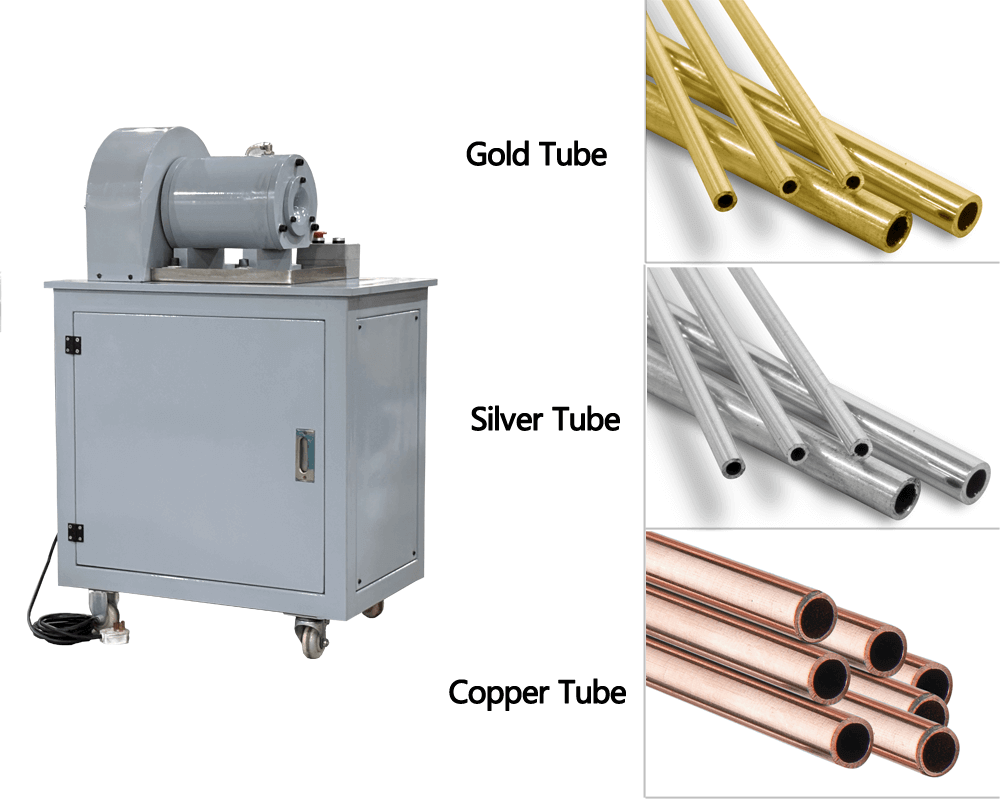
CDOCAST CDO-TN1 reduces and tapers the end of Φ2–12 mm precious-metal tube. The formed lead end can enter a tube drawing die more easily, helping prepare gold, silver, copper and compatible alloy tubes for subsequent reduction and sizing.

CDOCAST CDO-TN1 tube necking machine for gold silver and copper tube ends
Φ2–12 mmPublished tube diameter range
≤50%Maximum published necking ratio
D2 HRC 60–62Necking die material and hardness
3 kWMain motor power

What Is a Tube Necking Machine?

A tube necking machine forms a reduced or tapered section at the end of a metal tube. For precious-metal tube production, this smaller lead end is especially useful before tube drawing: it gives the operator a section that can pass through the drawing die and be gripped for the next reduction.

The CDO-TN1 is a tube-end forming machine for gold, silver, copper and suitable alloy tube. With matching dies, it can serve as a gold tube necking machine, silver tube necking machine or copper tube end reducer. It uses a motor-driven forming head, a 100 mm D2 tool and an electric lubrication system. It does not replace a tube drawing machine; it prepares the tube end for drawing or another downstream operation.

  • For Φ2–12 mm tube according to the published specification.
  • Maximum necking ratio is listed as ≤50%.
  • Appropriate die geometry depends on tube diameter, wall thickness, alloy and required lead-end shape.
before and after copper tube end reduction using a tube necking machine
Example of reducing a tube end to create a smaller lead section for subsequent processing.

CDO-TN1 Precious Metal Tube Necking Machine

One compact model covers the published Φ2–12 mm working range with customized tooling selected from the tube specification.

CDO-TN1 compact tube diameter reducing machine on swivel casters

CDO-TN1 Tube End Reducing Machine

Designed to prepare tapered tube ends for drawing, sizing or other downstream operations without cutting away the tube end.

Working diameterΦ2–12 mm
Necking ratio≤50%
DieD2, HRC 60–62
Die length100 mm
Motor3 kW
Machine weight350 kg

Tube Necking Machine Parameters

The table follows the CDOCAST tube-forming catalog and the published CDO-TN1 product specification.

CDO-TN1 standard specification
SpecificationCDO-TN1
Voltage380 V, 3 phase, 50 Hz
Motor power3 kW
Maximum tube diameterΦ12 mm
Minimum tube diameterΦ2 mm
Maximum necking ratio≤50%
Die material and hardnessD2, HRC 60–62
Die length100 mm
Lubrication systemThree-phase electric pump
Machine size (L×W×H)730×480×1050 mm
Machine weight350 kg

Tube-End Necking Process

Correct tooling and lubrication are essential when reducing thin-wall gold, silver or copper tube.

Inspect the Tube

Confirm outside diameter, wall thickness, seam condition, straightness and whether the material requires annealing.

Select and Lubricate the Die

Match the D2 necking tool to the incoming tube and required lead-end diameter, length and taper.

Form the Tube End

Insert the specified length into the forming head and reduce the end progressively without exceeding the approved reduction.

Measure Before Drawing

Check the neck diameter, taper length, concentricity and surface before feeding the tube into the drawing die.

Machine Structure and Operating Points

The compact layout keeps the working head, controls and lubrication connection accessible to the operator.

tube necking machine inlet lubrication pipe start emergency stop and swivel casters
Metal Tube InletThe tube end enters the forming head along the machine axis. Tube straightness and correct insertion length affect the finished lead end.
Electric Lubrication SystemThe published specification lists a three-phase electric pump to supply lubrication to the necking operation.
Start and Emergency StopControls are positioned beside the working head for normal operation and immediate stopping.
Mobile Cabinet StructureSwivel casters support workshop positioning while the enclosed base protects the drive and service components.

Gold, Silver and Copper Tube Applications

Final die selection should follow the actual alloy, wall thickness and drawing schedule rather than material name alone.

gold silver and copper tubes for precious metal tube necking

Precious Metal and Copper Tube

Supports tube-end preparation for gold, K-gold, silver, copper and compatible alloys within the specified diameter range.

multiple views of compact precious metal tube necking equipment

Tube Drawing Lead-End Preparation

Creates a reduced tube end that can enter a smaller drawing die and provide a gripping section for downstream reduction.

Information Needed for a Tube Necking Machine Quotation

Send both incoming and required neck dimensions so the tooling can be evaluated correctly.

Tube MaterialState gold, K-gold, silver, copper, brass or another alloy, including temper or annealed condition when available.
Incoming Tube DimensionsProvide outside diameter, inside diameter or wall thickness, tube length and dimensional tolerance.
Required Neck GeometrySpecify final neck diameter, neck length, taper angle or profile and allowable concentricity.
Reduction ScheduleState whether the full reduction is expected in one operation or progressive steps and confirm it remains within the machine limit.
Downstream Drawing DieProvide the drawing-die entrance size and gripping requirement so the lead end can be matched to the next process.
Production RequirementInclude pieces per shift, typical batch size, available voltage and whether additional dies are required.

Related Precious Metal Tube Equipment

Necking is normally positioned between initial tube forming and subsequent tube drawing or annealing.

Download the Metal Forming Machine Catalog

Review the tube-forming series, then send the incoming tube and required neck dimensions for tooling selection.

Download Catalog

Tube Necking Machine FAQ

Purchasing answers for jewelry and precious-metal tube manufacturers.

What is the main purpose of a tube necking machine?

It reduces or tapers the tube end. In precious-metal tube production, the smaller lead end helps the tube enter a drawing die and gives the operator a section that can be gripped for the next reduction.

What tube diameters can CDO-TN1 process?

The published specification lists a working range from Φ2 mm to Φ12 mm. Tooling must still be matched to the exact outside diameter, wall thickness and required neck profile.

What is the maximum necking ratio?

The catalog lists a maximum necking ratio of ≤50%. The practical reduction for a specific tube depends on alloy ductility, wall thickness, seam condition, annealing state and die geometry.

Can the machine neck gold, silver and copper tube?

Yes, these are the primary published applications. Provide the alloy and temper because fine gold, K-gold, silver and copper do not behave identically during tube-end reduction.

Is tube necking the same as tube drawing?

No. Necking prepares a reduced section at the tube end. Tube drawing pulls the tube through a die to reduce and size a longer section or the entire tube.

Is a tube necking machine the same as a tube swaging machine?

The terms can overlap in some markets, but the required operation should be defined clearly. CDO-TN1 is presented here for tapered tube-end reduction and drawing-die preparation; buyers needing full-length rotary swaging should provide a separate process drawing.

What information is required for a tube necking machine price?

Provide the material, incoming outside diameter and wall thickness, final neck diameter and length, taper profile, tube length, production quantity, downstream drawing-die size and factory voltage.

Need a Tube-End Forming Solution for Precious Metal?

Send CDOCAST your tube drawing, alloy, wall thickness and required neck profile for CDO-TN1 tooling evaluation.

Request a CDO-TN1 Quotation
Categories
Auxiliary Facilities

Jewelry Polishing Machine

Jewelry Finishing Equipment

Jewelry Polishing Machine for Gold, Silver and Precious Metal Parts

CDOCAST jewelry polishing machines are designed for jewelry factories, goldsmith workshops and precious metal manufacturers that need stable batch polishing, smoother surface finishing and lower manual polishing time.

Wet Eddy Current Polishing Centrifugal Polishing Vibratory Polishing Jewelry Surface Finishing
Compare 3 Polishing Solutions Quick Selection
Wet eddy current jewelry polishing machine

Wet Eddy Current

For fast surface improvement of rings, pendants and small castings.

Best for: strong polishing + batch output
Centrifugal jewelry polishing machine

Centrifugal

For deburring and edge smoothing after casting, cutting or stamping.

Best for: small parts + fast finishing
Vibratory jewelry polishing machine

Vibratory

For gentle and stable finishing of mixed jewelry components.

Best for: daily batches + gentle process
3 Types Machine options Choose by jewelry shape, surface target and batch size
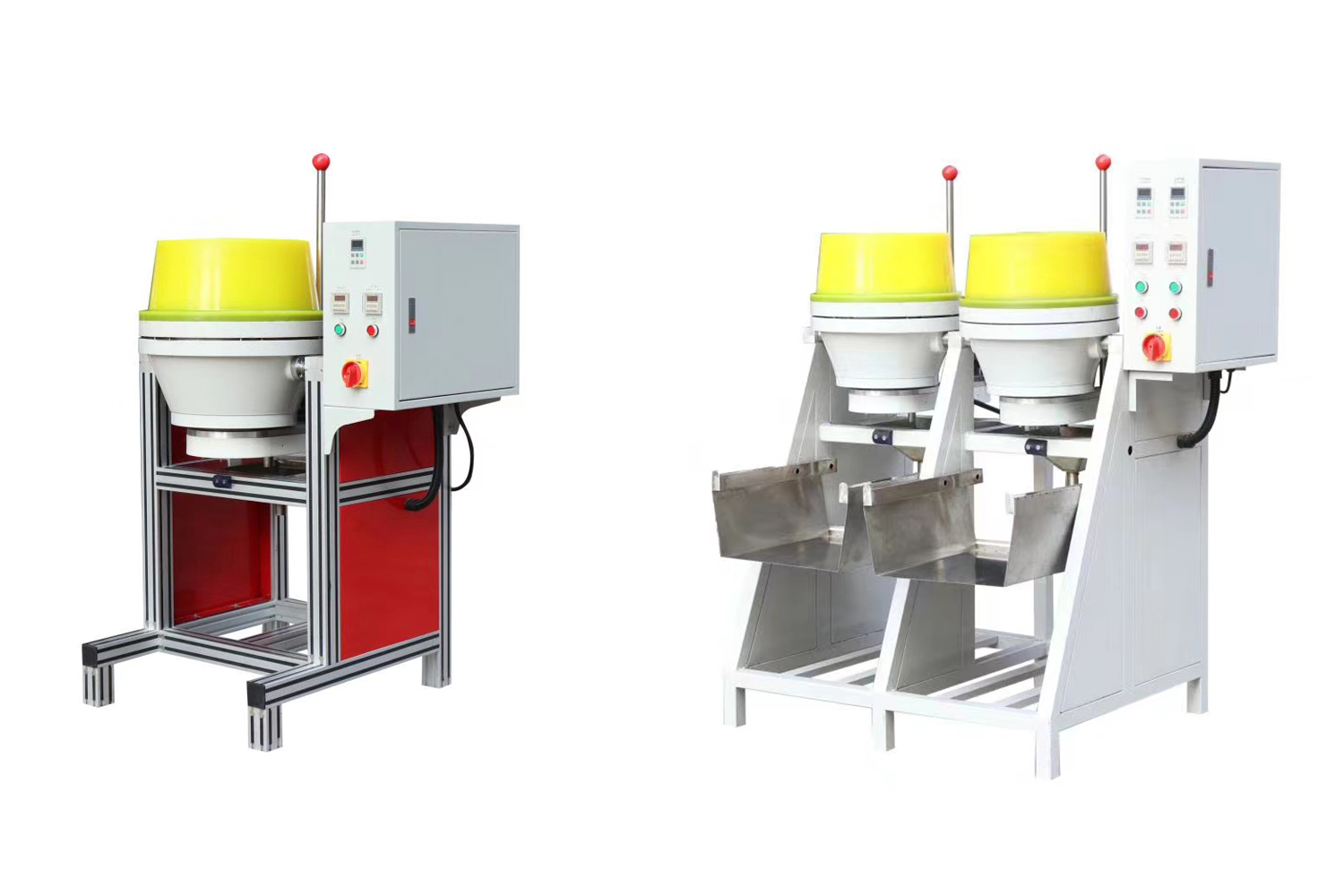
Wet Polishing process Suitable for reducing heat, dust and surface scratches
Batch Production finishing Helps reduce repeated manual polishing work
Factory Technical support Machine selection, polishing media and process advice
Technical Specifications

Customers can compare capacity, power, voltage, working volume, machine size and weight before sending an inquiry. This makes the purchasing decision faster and more accurate.

Vibratory Polishing Machine Parameters
Recommended for gentle batch polishing and daily jewelry finishing work.

ModelCDO-VPM40CDO-VPM60CDO-VPM80
Voltage380V, 3 Phase, 50Hz380V, 3 Phase, 50Hz380V, 3 Phase, 50Hz
Power550W750W750W
Capacity40L60L80L
Rotation Rate1450R/Min1450R/Min1450R/Min
Sizeφ50 x 62cmφ64 x 62cmφ80 x 75cm
Weight50kg85kg100kg

Centrifugal Polishing Machine Parameters

Recommended for fast deburring and edge smoothing of smaller jewelry parts.

ModelCDO-CPM30CDO-CPM40CDO-CPM50
Voltage380V, 3 Phase, 50Hz380V, 3 Phase, 50Hz380V, 3 Phase, 50Hz
Motor Power2.2 KW2.2 KW3 KW
Total Capacity30L40L50L
Polishing Tank Capacity4 x 7.5L4 x 10L8 x 6.2L
Polishing Tank Sizeφ175 x 275mmφ175 x 355mmφ175 x 235mm
Rotation Rate1800 rpm1800 rpm1800 rpm
Outer Dimensions1080 x 960 x 1400mm1180 x 960 x 1400mm1280 x 960 x 1400mm
Weight600kg650kg720kg

Wet Eddy Current Grinding Polishing Machine Parameters
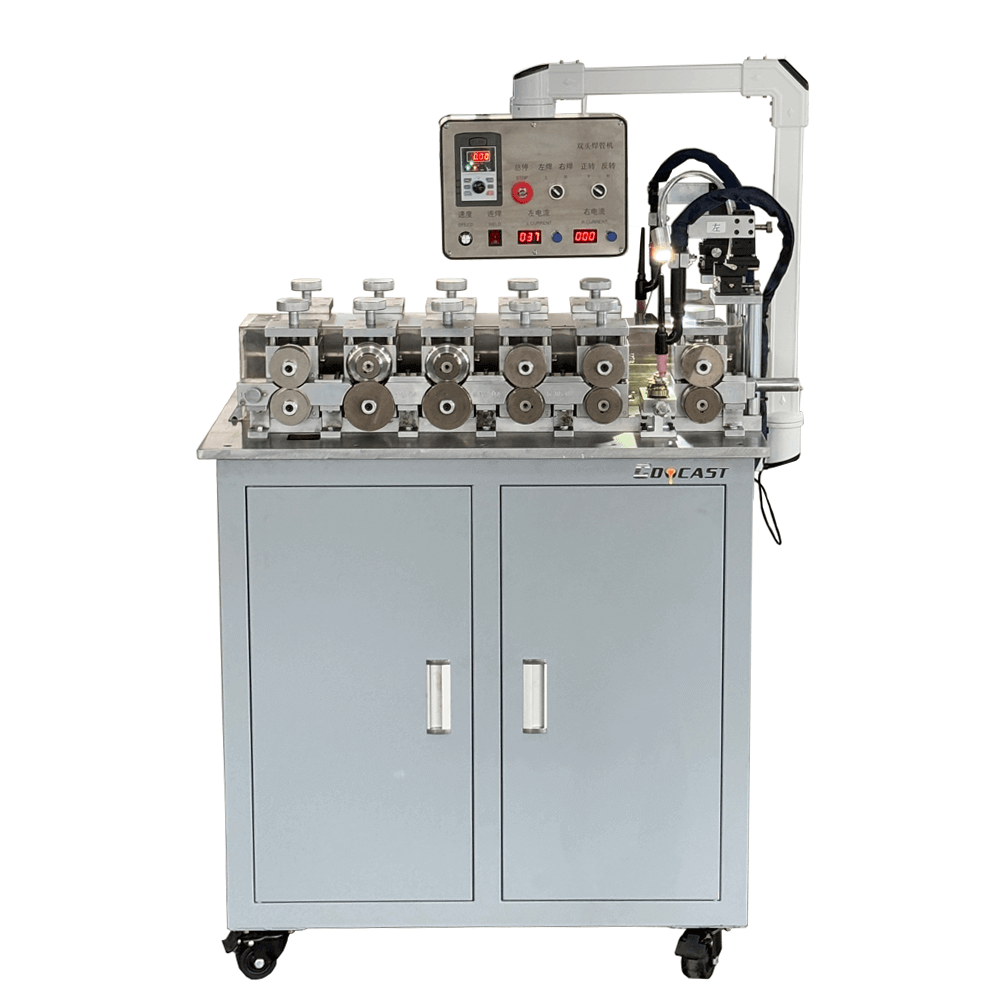
Recommended for stronger polishing action and higher-efficiency batch finishing.

ModelCDO-GPM18-1CDO-GPM18-2CDO-GPM18-3CDO-GPM36-1CDO-GPM36-2CDO-GPM36-3
Voltage220V, 1 Phase, 50Hz220V, 1 Phase, 50Hz220V, 1 Phase, 50Hz380V, 3 Phase, 50Hz380V, 3 Phase, 50Hz380V, 3 Phase, 50Hz
Motor Power0.75 KW2 x 0.75 KW3 x 0.75 KW2.2 KW2 x 2.2 KW3 x 2.2 KW
Rated Volume18L2 x 18L3 x 18L36L2 x 36L3 x 36L
Working Volume14L2 x 14L3 x 14L28L2 x 28L3 x 28L
Outer Dimensions690 x 850 x 1440mm1170 x 850 x 1440mm1680 x 850 x 1440mm880 x 780 x 1440mm1480 x 780 x 1440mm2120 x 780 x 1440mm
Weight140kg235kg330kg220kg370kg530kg

Choose the Right Jewelry Polishing Machine
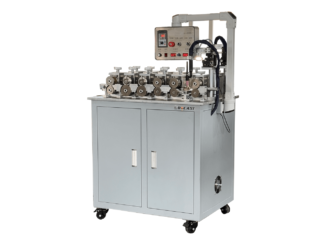
Different jewelry parts need different polishing action. The best machine depends on whether the product requires edge smoothing, fast deburring, mirror preparation or gentle finishing for detailed surfaces.
Wet eddy current jewelry polishing machine
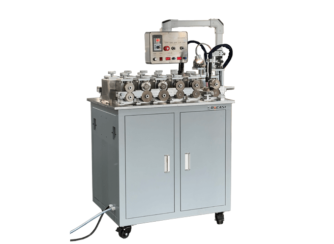
Wet Eddy Current Polishing Machine
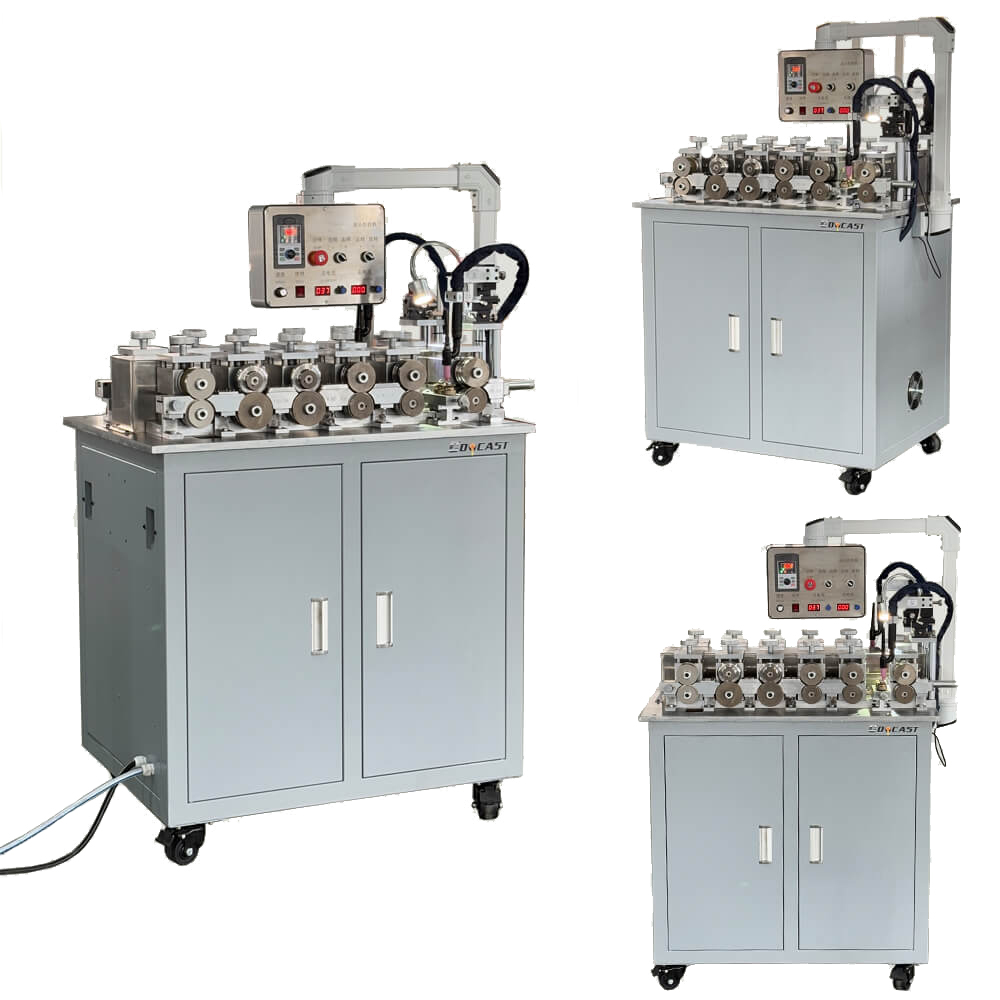
Recommended for high-efficiency polishing of rings, pendants, small metal parts and jewelry components that require fast surface improvement.

  • Strong polishing action for batch production
  • Wet processing helps control heat and dust
  • Suitable for gold, silver, copper and alloy parts
Centrifugal jewelry polishing machine

Centrifugal Polishing Machine

A practical option for workshops that need fast finishing for small jewelry pieces, findings, chains, beads and metal accessories.

  • High-speed finishing for small batch parts
  • Good for deburring and edge smoothing
  • Compact machine footprint for jewelry shops
Vibratory jewelry polishing machine

Vibratory Polishing Machine

Designed for stable and gentle polishing of larger batches where consistent surface finishing is more important than aggressive material removal.

  • Gentle action for repeated batch polishing
  • Suitable for mixed jewelry components
  • Easy operation for daily finishing work

What Can It Polish?

CDOCAST jewelry polishing equipment can be used after casting, rolling, cutting, stamping or CNC processing. It helps jewelry manufacturers improve product surface quality before final hand polishing, plating or packaging.

  • Gold and silver rings, pendants, earrings and bracelets
  • Small jewelry accessories, findings, beads and chain components
  • Coin blanks, metal tags, small ornaments and precious metal parts
  • Copper, brass, stainless steel and other non-ferrous metal components
High polish jewelry surface Jewelry polishing result Polished jewelry finish

Machine Selection Guide for Buyers

This is the part customers care about most: which polishing machine should they buy for their production requirement?

Customer RequirementRecommended MachineBest ForPurchase Note
Fast surface improvement for small jewelry partsWet Eddy Current Polishing MachineRings, pendants, small castings, metal accessoriesGood choice when productivity and polishing strength are both important.
Deburring and edge smoothing after cutting or castingCentrifugal Polishing MachineBeads, findings, chains, stamped partsUseful for compact workshops and small-to-medium batch production.
Gentle finishing for many pieces at one timeVibratory Polishing MachineMixed jewelry parts and regular production batchesStable process, easy operation and suitable for daily finishing work.
Mirror-like final jewelry finishMachine polishing + final manual finishingHigh-end gold and silver jewelryThe machine reduces preparation work; final mirror polish may still need skilled finishing.

Why Jewelry Manufacturers Choose CDOCAST

For jewelry polishing equipment, the machine itself is only one part. Media selection, process time and part protection also affect the final polishing result.

Application Advice

We help match the polishing machine with your jewelry type, material and desired surface finish.

Factory Supply

CDOCAST supplies machinery for precious metal production, casting, forming and finishing workflows.

Process Support

We can suggest polishing time, media direction and production layout for daily workshop use.

Turnkey Matching

The polishing machine can be matched with casting machines, rolling mills, presses and other production equipment.

Need a Jewelry Polishing Machine Recommendation?

Send us your jewelry material, part size, production quantity and target finish. CDOCAST will help you choose between wet eddy current, centrifugal and vibratory polishing machines.

Get a Quote
Categories
Metal Forming Machine

Hollow Tube Forming Machine

hollow tube forming machine

1Finished Products1

[sp_wpcarousel id=”15975″]

1Product Details1

[Hollow Tube Forming Machine]

CDOCAST Hollow tube forming machine is an advanced automatic solution designed for producing high-quality metal hollow tubes from strips, supporting various diameters and thicknesses. It is compatible with soft metals such as gold, K gold, silver, and copper, and features an integrated argon welding system for seamless forming and welding. The innovative double-line design enables the simultaneous production of tubes in two different diameters, streamlining subsequent processing. With motorized variable speed control, this machine is ideal for jewelry manufacturing and other precision metalworking applications.

Our Hollow tube forming machine is designed to enable you to simply and effectively produce tubes of various shapes and sizes. Utilizing continuous roll forming combined with high-frequency welding technology, it processes metal strips such as gold, silver, and copper into precision hollow tubes. It achieves one-stop production from coil material to finished tubes, making it particularly well-suited for high-end applications like precious metal thin-walled tubes and capillary tubes.

One key advantage of the hollow tube forming machine is that it enhances productivity and reduces costs. It can manufacture numerous metal tubes much faster than older methods. Furthermore, the machine provides a high degree of precision and accuracy, ensuring each tube produced meets the necessary standards. By efficiently cutting and forming the metal, the machine maximizes the utilization of raw materials. This minimizes waste and reduces expenses.

Machine Details

Hollow Tube Forming Machine

hollow tube forming machine

hollow tube forming machine

hollow tube forming machine

Tube welding machine

Parameter

ModelCDO-TF01CDO-TF02
Voltage380V, 3 Phase, 50Hz380V, 3 Phase, 50Hz
Motor Power1.5KW1.5KW
Tube Die SizeФ4-11.5mmФ4-11.5mm
Tube Die AmountCustomized 1 SetCustomized 2 Set
Tube Die HardnessHRC 52HRC 52
Die Speed17r/min17r/min
Argon Welder220V-200A-1 Set220V-200A-2 Set
Size1230x510x1160mm1500x746x1650mm
Weight400kg600kg

Feature

Hollow Tube Forming Machine Feature:

1. CDOCAST Hollow tube forming machine can process metal strips such as gold, silver, and copper, and the output diameter can be customized. Specially suitable for high-end manufacturing fields such as jewelry precision capillary tubes, building decoration tubes, and HVAC system tubes.

2. Integrating four core modules: continuous roll forming, high-frequency welding (10-100kHz), online sizing, and chip-free cutting, a single machine completes the complete process from coil to finished pipe.

3. Revolutionary production efficiency and precision, with production speed reaching 350% of traditional equipment and material utilization rate exceeding 99.3%.

4. The weld strength reaches 98% of the base material (argon gas shielded welding), which can achieve perfect seamless welding.

5. By efficiently cutting and forming metals, CDOCAST hollow tube forming machine can maximize the use of raw materials, minimize waste, and minimize costs.

Categories
Metal Forming Machine

Hollow Ball Making Machine

Gold · K Gold · Silver · Copper Hollow Beads

Hollow Ball Making Machine for Jewelry Bead Production

CDOCAST CDO-HBM1 and CDO-HBM2 form prepared hollow metal tube into 2–10 mm hollow balls and jewelry beads. Dedicated tooling can be selected for round beads and other approved bead profiles, with a published production speed of up to 3400 beads per hour.

CDOCAST hollow ball making machine for gold silver and copper jewelry beads
Φ2–10 mmCombined published bead range
3400/hourPublished bead-making speed
2 modelsSmall and large bead ranges
3 kWMotor power for both models

What Is a Hollow Ball Making Machine?

A hollow ball making machine—also called a hollow bead making machine—uses matched forming dies to shape prepared hollow metal tube into lightweight jewelry beads. It is used for gold, K-gold, silver, copper and compatible alloys when manufacturers need the appearance and volume of a solid bead with lower metal weight.

The machine does not produce hollow tube from raw sheet and it does not automatically remove a poor tube weld. The incoming tube must already have the correct outside diameter, wall thickness, roundness, weld quality and material condition. The bead tooling then controls the finished diameter and profile. Polishing or another finishing step is normally required after forming.

  • CDO-HBM1 covers the published Φ2–6 mm bead range.
  • CDO-HBM2 covers the published Φ6–10 mm bead range.
  • Round, oval, teardrop or abacus-style beads require profile-specific tooling and sample confirmation.
hollow metal tube input and formed gold hollow bead output
The forming machine converts prepared hollow tube into beads; tube production and final polishing are separate processes.

Hollow Bead Making Machine Models

The machines share the same listed power, speed, size and weight. The main model difference is the supported bead-diameter range and matched tooling.

CDO-HBM1 small size hollow bead making machine for 2 to 6 mm beads

CDO-HBM1 Small-Size Bead Making Machine

For fine hollow jewelry beads from Φ2 mm to Φ6 mm. Select the model when the product plan is centered on smaller bead-chain and decorative component sizes.

Bead rangeΦ2–6 mm
Speed3400/hour
Motor3 kW
CDO-HBM2 large size hollow bead making machine for 6 to 10 mm beads

CDO-HBM2 Large-Size Bead Making Machine

For larger hollow jewelry beads from Φ6 mm to Φ10 mm. Select it for bead products that exceed the working range of CDO-HBM1.

Bead rangeΦ6–10 mm
Speed3400/hour
Motor3 kW

Hollow Ball Making Machine Parameters

Published specifications for CDO-HBM1 and CDO-HBM2, cross-checked with the CDOCAST Bead Forming Series.

Small-size and large-size bead making machine comparison
SpecificationCDO-HBM1CDO-HBM2
Published machine typeSmall Size Bead Making MachineLarge Size Bead Making Machine
Voltage380 V, 3 phase, 50 Hz380 V, 3 phase, 50 Hz
Motor power3 kW3 kW
Bead diameterΦ2–6 mmΦ6–10 mm
Published bead-making speed3400 beads/hour3400 beads/hour
Machine size (L×W×H)650×600×1230 mm650×600×1230 mm
Machine weight600 kg600 kg

Actual output depends on tube dimensions, alloy condition, bead profile, tooling, feeding stability, inspection and downstream finishing. Confirm the destination electrical standard before production.

How Hollow Metal Beads Are Formed

The hollow ball machine is the central forming step, but stable production starts with suitable tube and ends with controlled finishing.

Prepare Hollow Tube

Produce or purchase tube with the required alloy, outside diameter, wall thickness, roundness and weld quality.

Anneal and Inspect

Set the material condition for forming, then inspect tube straightness, seam and dimensions before feeding.

Install Matched Tooling

Fit the die set selected for bead diameter, profile, tube dimensions and required neck or separation geometry.

Feed and Form

The machine advances the tube through the forming area and shapes consecutive bead sections under the matched tooling.

Separate and Finish

Separate beads as required, then deburr, clean, grind or polish them to the specified finished appearance.

Tube, Tooling and Finished Bead Requirements

Most production problems come from mismatched tube and tooling rather than from nominal bead diameter alone.

gold silver and copper hollow bead shapes made by hollow ball forming machine
Incoming Tube DimensionsProvide outside diameter, wall thickness, inside diameter, tube length and dimensional tolerance. The tube must match the selected bead and die geometry.
Alloy and Material ConditionFine gold, K-gold, silver and copper do not form identically. State the alloy and whether the tube arrives soft, annealed or work-hardened.
Bead Diameter and ProfileSpecify round, oval, teardrop, abacus or another profile together with outside dimensions, hole or neck requirement and finished tolerance.
Surface and Separation MethodClarify whether beads remain connected temporarily, how they will be separated and what deburring, grinding or polishing result is required.

Gold, Silver and Copper Hollow Bead Applications

Final shape availability depends on dedicated tooling and approval of the customer's tube and bead sample.

Round Hollow Jewelry BeadsLightweight spherical beads for necklaces, bracelets, bead chains, earrings and decorative jewelry components.
Oval and Rugby-Shaped BeadsElongated hollow bead forms for chain patterns, pendants, fashion accessories and jewelry design collections.
Teardrop and Abacus ProfilesCustomized bead profiles for decorative parts where dedicated forming dies can be matched to the prepared hollow tube.
gold silver and copper hollow bead production line from melting rolling slitting tube forming drawing bead making and polishing

Complete Hollow Bead Production Line

A complete gold or silver hollow bead line can include melting, strip rolling, slitting, hollow tube forming and welding, tube sizing, bead forming and final polishing. The exact route depends on whether the factory starts from raw metal, strip or finished hollow tube.

Information Needed for a Hollow Ball Machine Quotation

Send the tube specification and finished bead drawing together so the machine model and tooling can be evaluated correctly.

Metal and AlloyState fine gold, K-gold, silver, copper or another alloy, including purity and material condition where available.
Incoming Hollow TubeProvide outside diameter, inside diameter or wall thickness, length, weld method, dimensional tolerance and current production method.
Finished Bead DrawingProvide bead diameter, profile, hole or neck size, length, tolerance and photos or physical samples where possible.
Required Die SetsList every bead size and shape required. Different diameters and profiles normally need dedicated forming tooling.
Production RequirementState beads per hour or shift, batch size, acceptable scrap rate and whether beads leave the machine connected or separated.
Factory and Line ScopeConfirm voltage, available tube supply and whether melting, rolling, slitting, tube forming, annealing or polishing equipment is also needed.

Hollow Ball Making Machine FAQ

Practical answers for jewelry factories comparing hollow gold and silver bead equipment.

What raw material does the hollow ball making machine use?

The direct input is prepared hollow metal tube—not raw metal sheet. The tube must match the required bead and die dimensions and should have suitable wall thickness, roundness, weld quality and material condition.

What bead sizes can CDO-HBM1 and CDO-HBM2 produce?

CDO-HBM1 covers the published Φ2–6 mm range, while CDO-HBM2 covers Φ6–10 mm. Tooling must be selected for the actual bead diameter and profile.

Can it make gold, silver and copper hollow beads?

Yes. The published applications include gold, K-gold, silver and copper. Provide the exact alloy because forming behavior and annealing requirements vary by purity and composition.

Can one die make different bead sizes and shapes?

Normally no. Different diameters and profiles generally require dedicated dies. Round, oval, teardrop and abacus-style beads should be evaluated from a drawing or sample before tooling is produced.

Does the machine make seamless hollow beads?

The bead machine forms prepared hollow tube. If the tube was produced by strip forming and welding, its seam quality depends on the upstream tube process; the bead machine does not automatically eliminate a poor weld seam.

Is 3400 beads per hour guaranteed for every product?

It is the published machine speed for both models. Actual output depends on tube dimensions, alloy condition, bead geometry, tooling, feeding stability, quality inspection and the required finishing process.

What other equipment is needed for a complete hollow bead production line?

A line starting from raw precious metal can include a melting furnace, rolling mill, slitting machine, hollow tube forming and welding machine, annealing or tube sizing equipment, hollow bead making machine and jewelry polishing machine.

What information is required for a hollow ball making machine price?

Provide the alloy, tube outside diameter and wall thickness, finished bead drawing, required sizes and profiles, production target, die quantity, factory voltage and whether upstream tube-making or downstream polishing equipment is required.

Need a Hollow Gold or Silver Bead Production Solution?

Send CDOCAST your tube specification, finished bead drawing, alloy and production target for CDO-HBM1, CDO-HBM2 and forming-die selection.

Request a Hollow Bead Machine Quotation
Categories
Hydraulic Minting Press

Hydraulic Logo Stamping Machine
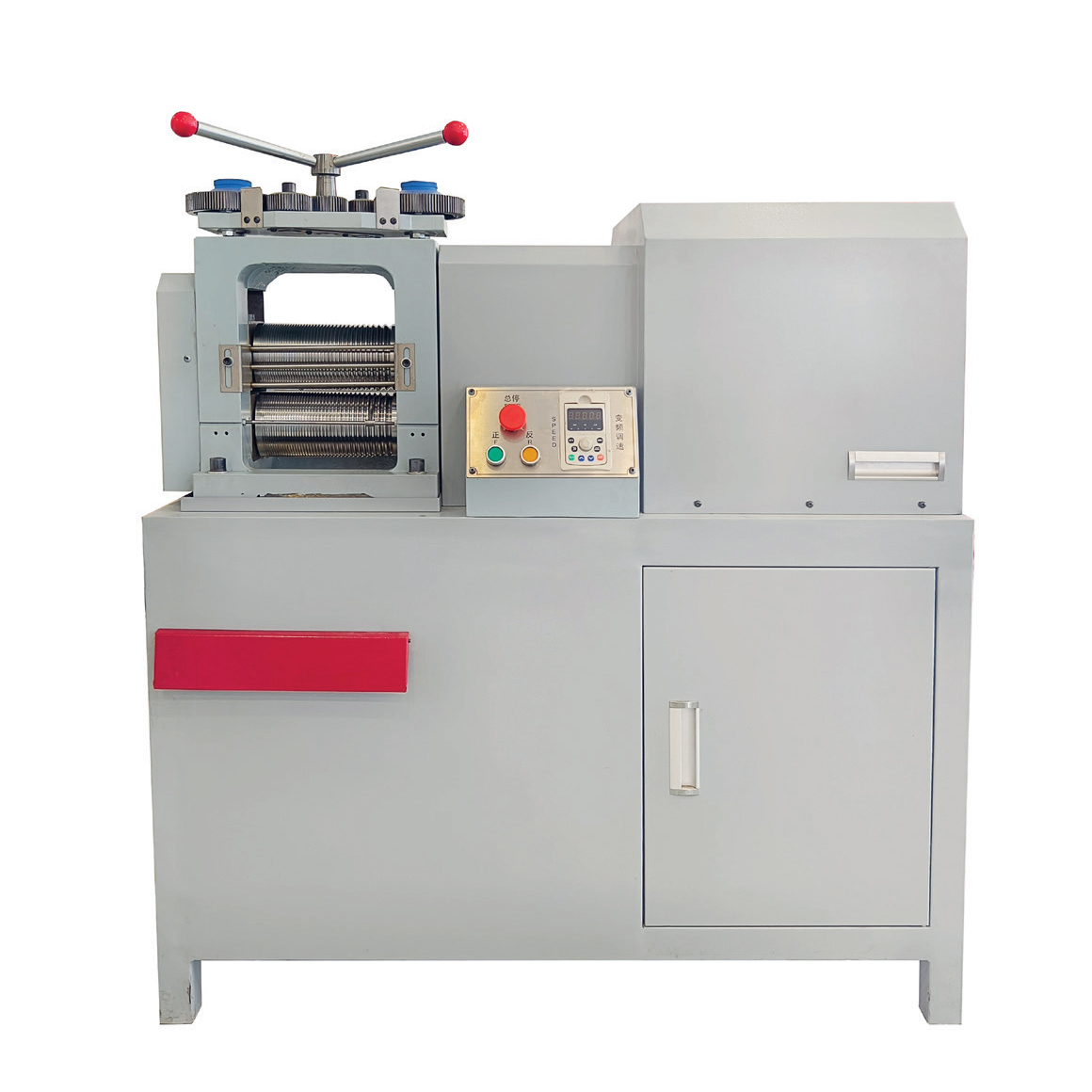
hydraulic logo stamping machine
hydraulic logo stamping machine video
hydraulic logo stamping machine
Hydraulic Logo Stamping Press Selection

Compact Four-Column Hydraulic Press for Gold and Silver Bar Stamping

CDOCAST compact four-column hydraulic stamping press is designed for gold bar logo stamping, silver bar hallmarking, platinum ingot marking, serial number stamping and custom bullion brand embossing. It is suitable for mints, bullion bar factories, precious metal refineries and jewelry production workshops that need stable pressure and repeatable stamping quality.

100 ton hydraulic stamping press gold bar logo stamping machine silver bar hallmarking press custom bullion stamping die
100 ton hydraulic stamping press comparison for gold bar logo stamping silver bar hallmarking and bullion brand marking

How to Choose a Hydraulic Press for Gold Bar and Silver Bar Stamping

For precious metal bar logo stamping, pressure tonnage is only one part of the decision. Buyers should also check frame rigidity, die positioning, working table size, stroke control, pressure repeatability and whether the machine can match custom logo dies for different gold, silver or platinum bar sizes.

For Small Bullion Workshops Choose a compact 100 ton hydraulic stamping press when the main work is logo stamping, serial number marking and small-batch bar branding.
For Higher Repeatability Choose the advanced four-column structure when the buyer needs more stable pressure, better die alignment and cleaner bar surface detail.
For Custom Bar Dies Confirm bar weight, bar size, logo depth and stamping material before making the custom die set.

Economic Version vs Advanced Four-Column Stamping Press

Both models can be used for bullion bar logo stamping. The difference is mainly in machine structure, operating comfort, pressure stability and how often the customer needs to change dies for different gold and silver bar sizes.

ItemEconomic 100 Ton Stamping PressAdvanced Four-Column Hydraulic Press
Suitable useLogo stamping, simple hallmarking and small-batch bullion bar marking.Higher frequency stamping, cleaner alignment and more stable production.
Recommended buyerSmall gold shop, jewelry workshop or starter bullion bar production line.Minting factory, bullion brand, precious metal refinery or professional bar producer.
Die positioningBasic die positioning depends more on operator adjustment.More stable frame and better support for customized positioning die sets.
Long-term productionGood for lower budget and moderate production volume.Better for repeated stamping, consistent depth and long-term production use.

Stable Pressure Control for Gold and Silver Bar Logo Stamping

A good bullion bar stamping result depends on both the hydraulic press and the stamping die. If the pressure is too low, the logo depth may be shallow. If the pressure is too high, the bar surface may deform and the die life can be reduced. For 1 oz, 100 g, 1 kg and larger bullion bars, the press model and die structure should be selected according to the bar size and required logo depth.

100 Ton Economic Mini Logo Stamping Machine
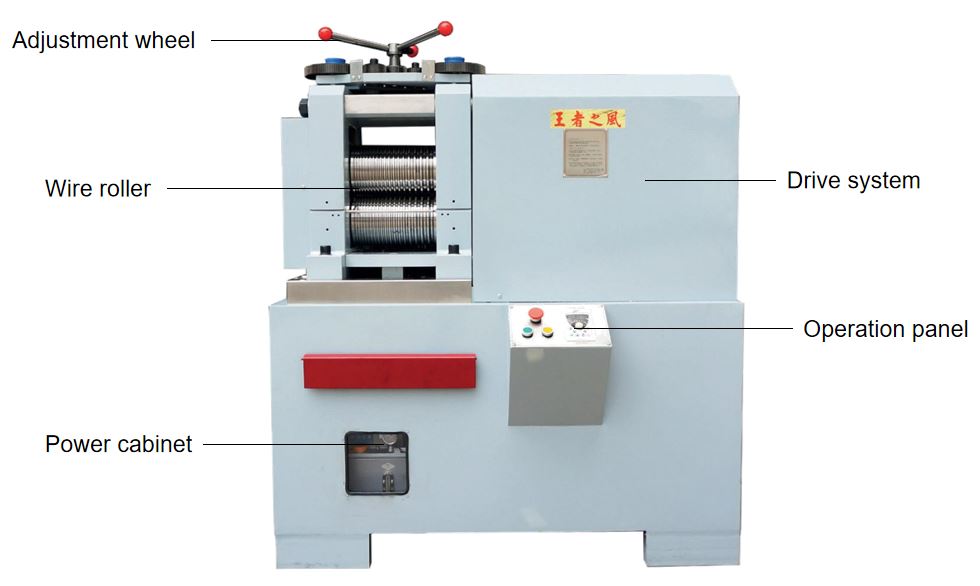
This model is suitable for customers who need a compact and cost-effective gold bar logo stamping machine. It can be used for silver bar hallmarking, simple bullion brand marking and small-batch precious metal stamping work.

  • Suitable for small gold and silver bar workshops.
  • Good choice for basic logo stamping and serial number marking.
  • Lower investment cost for starter bullion bar production.
  • Can work with custom logo dies according to bar size.
mini hydraulic logo stamping press 100 ton gold bar stamping machine silver bar hallmarking press

100 Ton Advanced Four-Column Hydraulic Stamping Press

The advanced model is designed for customers who need better machine rigidity, more stable pressure and cleaner stamping results. It is more suitable for professional bullion brands, refineries and minting factories that produce gold bars, silver bars and platinum bars regularly.

  • Four-column structure supports more stable pressing force.
  • Better for repeated logo stamping and deeper relief marking.
  • Recommended for customized bar dies and positioning fixtures.
  • Suitable for gold, silver and platinum bullion bar branding.
four column hydraulic press for gold bars bullion bar logo stamping press custom precious metal stamping die
Custom Logo Dies Are Critical for Clean Precious Metal Stamping

For gold bar logo stamping and silver bar hallmarking, the press provides the force, but the die decides the final detail. CDOCAST can design custom logo dies according to bar size, logo drawing, required depth and production volume. This helps reduce misalignment, uneven pressure marks and repeated die adjustment.

Need a Hydraulic Press for Gold or Silver Bar Stamping?

Send us your bar size, material, logo drawing and expected production volume. CDOCAST can help recommend the suitable 100 ton hydraulic stamping press and custom logo die solution.

Request a Quote

Machine Details

100 ton Mini Logo Stamping Machine
Please click here to watch video

mini logo stamping machine detail

300 ton Mini Logo Stamping Machine
300ton logo stamping machineSmall Logo Stamping MachineHydraulic Logo Stamping Machine Water Chiller
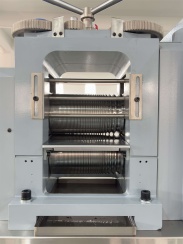
Hydraulic Logo Stamping Machine Water Chiller


Hydraulic Logo Stamping Machine Water Chiller
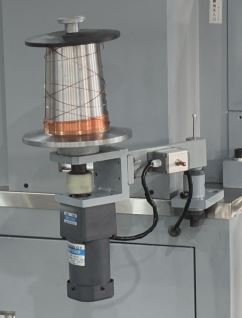
Hydraulic Logo Stamping Machine Water Chiller
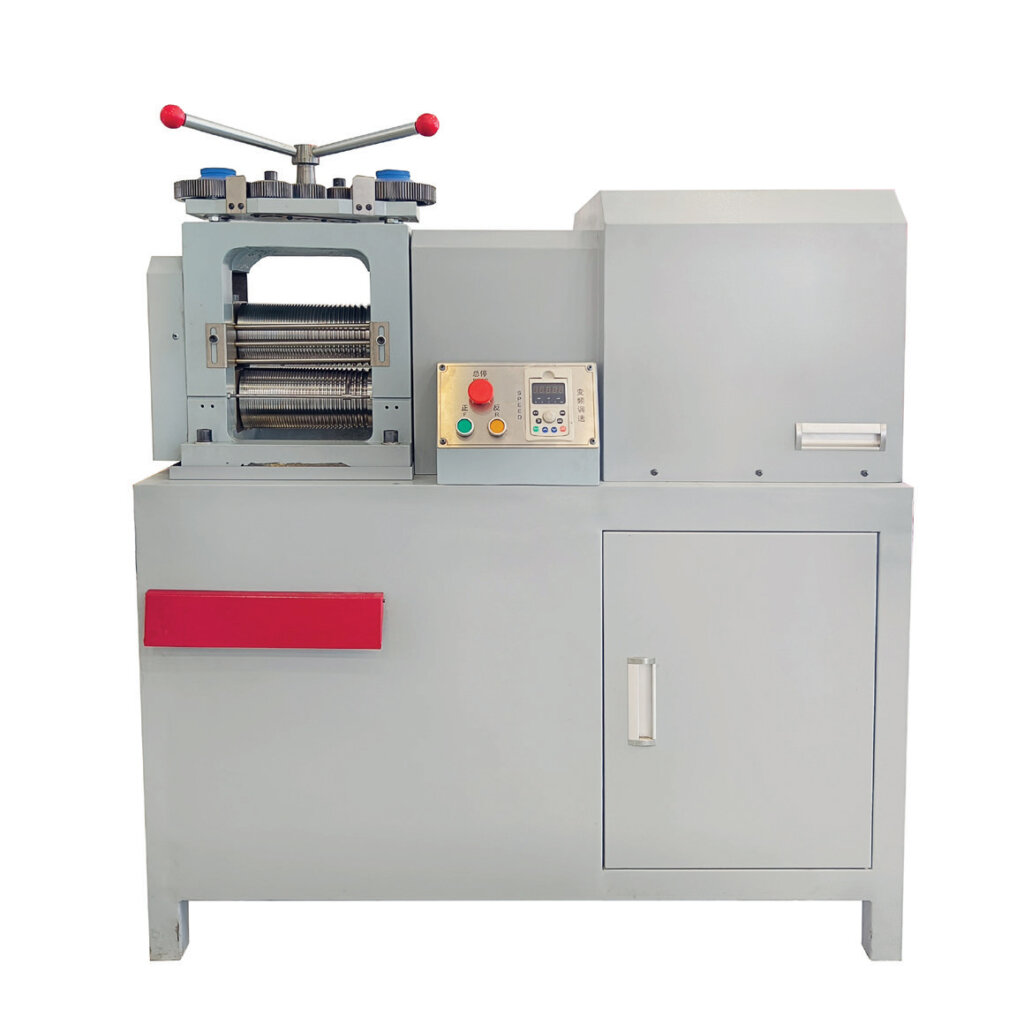
Hydraulic Logo Stamping Machine Water Chiller
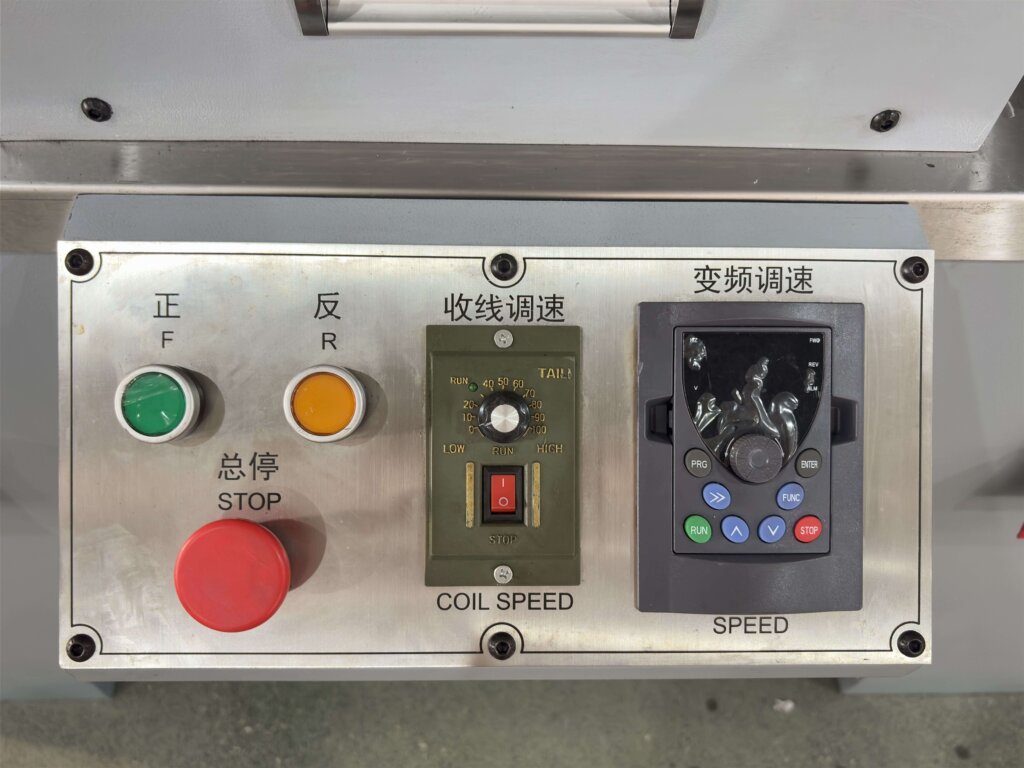
Parameter

ModelUnitCDO-100S1CDO-200S1CDO-300S1
Rated capacityTon100200300
Max.System pressureMpa636363
Stroke of movable working tablemm100100100
Opening heightmm190250300
Height of working platform from groundmm89010501020
Upward speed of movabale working tablemm/s555
Returning speed of movabale working tablemm/s235
Movable working table sizeL-R between columnmm/s220230250
F-B Rimmm/s220230160
Overall dimensionL-Rmm500520580
F-Bmm500520860
Hmm120014701500
Motor powerKW0.751.53
Weight (Approx.)Kgs320460820

Bar Casting Line

Gold Silver  Bar Casting Line


Gold Bar Casting Line


Feature

  • Purpose-Built for Gold: Designed specifically for stamping characters and logos onto gold bars, ensuring clean and permanent marks.

  • Simple & Space-Saving: Features a simple structure and compact design, making it an easy-to-operate and space-efficient solution for any workshop.

  • Affordable Power: A highly cost-effective press that delivers immense value, generating tens of tons of pressure for high-quality results.

  • Ideal for Small Batch Production: Perfectly suited for small studios and factories looking for a reliable, low-maintenance stamping solution.

  • Streamlined Operation: The process is simplified and typically requires no additional pad formwork, getting you from setup to production in no time.

Common question about the Logo Stamping Machine
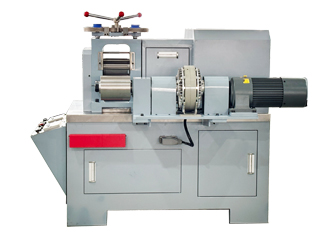
The stamping capacity depends primarily on the surface area (cross-section) and the thickness of the metal bar. In standard production, this model is fully capable of hallmarking casting bars up to 12.5kg (400 oz standard gold delivery bars) and smaller.

  • Easy Operation: A pressure control valve is located on the front of the machine, allowing you to flexibly adjust the force based on the bar size and the required depth of the stamp.

  • Real-time Monitoring: A pressure gauge on the right side allows operators to monitor the exact tonnage during the process, ensuring consistent stamping quality across every batch.

Yes, we offer complete custom tooling solutions.

  • Precision Alignment: We customize branding dies (stamping dies) based on your specific casting bar dimensions.

  • Integrated Die Sets: Our dies feature an integrated frame design with built-in positioning. Operators simply place the bar into the fixture for perfect alignment, and the bar can be removed smoothly after pressing, significantly increasing production efficiency.

We do not recommend this specific model for high-relief “minted” products (Minting Bars & Coins) for the following reasons:

  1. Pressure Precision: Minting requires extreme precision for intricate relief; this stamping machine is optimized for hallmarking and logo identification.

  2. Action Logic: Minting requires a “Fast Down — Slow Pressing — Slow Return” cycle to ensure full metal flow into fine details.

  3. Speed vs. Aesthetics: This machine is designed with a “FastUp/Fast Down” logic to maximize stamping speed. While excellent for logos, it may not meet the aesthetic requirements of proof-like minted coins.

  • For high-quality coin production, please inquire about our Hydraulic Minting Press series

This machine is specifically engineered for precious metals, including Gold, Silver, Platinum, and Palladium bars of varying hardness.

Absolutely. By using interchangeable die inserts, you can simultaneously stamp your brand logo, weight (e.g., 1kg), purity (e.g., 999.9), and unique serial numbers

Our die  features a “Quick-Change Tooling” design. No complex tools are required; a single operator can complete a die change in under 30 seconds, making it ideal for small-batch production of various bar sizes.

The dies are made from high-hardness alloy steel and undergo specialized heat treatment. Under normal operating conditions, a single set of dies can perform tens of thousands of stampings while maintaining sharp edges.

The hydraulic system is optimized to operate at under 75 decibels. Its compact footprint 110 *85 *135cm makes it perfect for small-to-medium factories or urban jewelry workshops.

We have implemented a four-tier safety protection system to ensure operator security:

  1. Light Curtains: High-sensitivity infrared sensors stop the machine instantly if a foreign object enters the stamping zone.

  2. Dual Start Logic: In semi-automatic mode, the operator must press two buttons simultaneously with both hands to prevent injury.

  3. Flexible Controls: Choose between manual or semi-automatic modes, with the option for dual-button or foot-pedal control.

  4. Emergency Stop: A prominent red E-Stop button provides millisecond-level power cutoff in emergencies.

The machine uses an energy-efficient 4KW motor, which saves approximately 20% more energy compared to traditional hydraulic presses. We offer custom configurations for both single-phase and three-phase power.

  • Warranty: CDOCAST provides a 2-year quality guarantee, including free replacement of non-wear parts.

  • Setup: No complex installation is required. The machine is fully calibrated before shipping; you only need to connect the power and add anti-wear hydraulic oil to begin. We provide detailed operation videos and manuals

No complex installation is required. The machine is fully commissioned and tested before leaving the factory; you only need to connect the power supply and add anti-wear hydraulic oil to begin operations. We provide comprehensive instructional videos and operation manuals to guide you.

The four-column design is the preferred choice for stamping gold and silver bars due to its superior stability, ensuring the die maintains a perfectly vertical press without deviation. To maintain high-precision performance over time, we recommend the following maintenance routine:

  • Guide Pillar Lubrication: Regularly apply lubricant to the four chrome-plated guide pillars to minimize friction and prevent corrosion.

  • Hydraulic Oil Management: Periodically check the hydraulic oil     levels and ensure the fluid remains clean according to the operation   manual.

Safety System Inspection: Regularly test the sensitivity of the light curtain guards and the emergency stop button to ensure the four-tier safety protection system is functioning at its best.

Q1: What sizes of gold and silver bars can the 100-ton hydraulic press stamp?

The stamping capacity depends primarily on the surface area (cross-section) and the thickness of the metal bar. In standard production, this model is fully capable of hallmarking casting bars up to 12.5kg (400 oz standard gold delivery bars) and smaller

Q2: Can the pressure be adjusted for different bullion products?

Yes, the machine supports precision pressure adjustment.

(1) Easy Operation: A pressure control valve is located on the front of the machine, allowing you to flexibly adjust the force based on the bar size and the required depth of the stamp.

(2) Real-time Monitoring: A pressure gauge on the right side allows operators to monitor the exact tonnage during the process, ensuring consistent stamping quality across every batch.

Q3: Do you provide custom stamping dies for gold and silver bars?

Yes, we offer complete custom tooling solutions.

(1) Precision Alignment: We customize branding dies (stamping dies) based on your specific casting bar dimensions.

(2) Integrated Die Sets: Our dies feature an integrated frame design with built-in positioning. Operators simply place the bar into the fixture for perfect alignment, and the bar can be removed smoothly after pressing, significantly increasing production efficiency.

Q4: Can this 100-ton machine be used for minted coins or minted bars?

We do not recommend this specific model for high-relief "minted" products (Minting Bars & Coins) for the following reasons:

(1) Pressure Precision: Minting requires extreme precision for intricate relief; this stamping machine is optimized for hallmarking and logo identification.

(2)Action Logic: Minting requires a "Fast Down — Slow Pressing — Slow Return" cycle to ensure full metal flow into fine details.

(3)Speed vs. Aesthetics: This machine is designed with a "Fast Up/Fast Down" logic to maximize stamping speed. While excellent for logos, it may not meet the aesthetic requirements of proof-like minted coins.
For high-quality coin production, please inquire about our Hydraulic Minting Press series

Q5: What materials can be stamped with this machine?

This machine is specifically engineered for precious metals, including Gold, Silver, Platinum, and Palladium bars of varying hardness.

Q6: Can I stamp serial numbers and purity alongside the logo?

Absolutely. By using interchangeable die inserts, you can simultaneously stamp your brand logo, weight (e.g., 1kg), purity (e.g., 999.9), and unique serial numbers

Q7: How difficult is it to change the dies?

Our machine features a "Quick-Change Tooling" design. No complex tools are required; a single operator can complete a die change in under 30 seconds, making it ideal for small-batch production of various bar sizes.

Q8: How durable are the stamping dies?

The dies are made from high-hardness alloy steel and undergo specialized heat treatment. Under normal operating conditions, a single set of dies can perform tens of thousands of stampings while maintaining sharp edges.

Q9: Is the machine noisy? Can it be used in an office or small studio?

The hydraulic system is optimised to operate at under 75 decibels24. Its compact footprint, 110 *85 *135 cm, makes it perfect for small-to-medium factories or urban jewelry workshops。

Q10: What safety features are included?

We have implemented a four-tier safety protection system to ensure operator security:

(1)Light Curtains: High-sensitivity infrared sensors stop the machine instantly if a foreign object enters the stamping zone.

(2)Dual Start Logic: In semi-automatic mode, the operator must press two buttons simultaneously with both hands to prevent injury.

(3)Flexible Controls: Choose between manual or semi-automatic modes, with the option for dual-button or foot-pedal control.

(4)Emergency Stop: A prominent red E-Stop button provides millisecond-level power cutoff in emergencies

Q11: What is the power consumption?

The machine uses an energy-efficient 4KW motor, which saves approximately 20% more energy compared to traditional hydraulic presses. We offer custom configurations for both single-phase and three-phase power.

Q12: What is the warranty and installation process?

(1) Warranty: CDOCAST provides a 2-year quality guarantee, including free replacement of non-wear parts.

(2) Setup: No complex installation is required. The machine is fully calibrated before shipping; you only need to connect the power and add anti-wear hydraulic oil to begin. We provide detailed operation videos and manuals.

Q13: Does the machine require complex installation upon delivery?

No complex installation is required. The machine is fully commissioned and tested before leaving the factory; you only need to connect the power supply and add anti-wear hydraulic oil to begin operations. We provide comprehensive instructional videos and operation manuals to guide you.

Q14: How should the four-column structure be maintained to ensure long-term precision?

The four-column design is the preferred choice for stamping gold and silver bars due to its superior stability, ensuring the die maintains a perfectly vertical press without deviation. To maintain high-precision performance over time, we recommend the following maintenance routine:

(1)Guide Pillar Lubrication: Regularly apply lubricant to the four chrome-plated guide pillars to minimise friction and prevent corrosion.

(2) Hydraulic Oil Management: Periodically check the hydraulic oil levels and ensure the fluid remains clean according to the operation manual.

(3) Safety System Inspection: Regularly test the sensitivity of the light curtain guards and the emergency stop button to ensure the four-tier safety protection system is functioning at its best.


CDOCAST / PRODUCT BROCHURE

Hydraulic Logo Stamping Machine
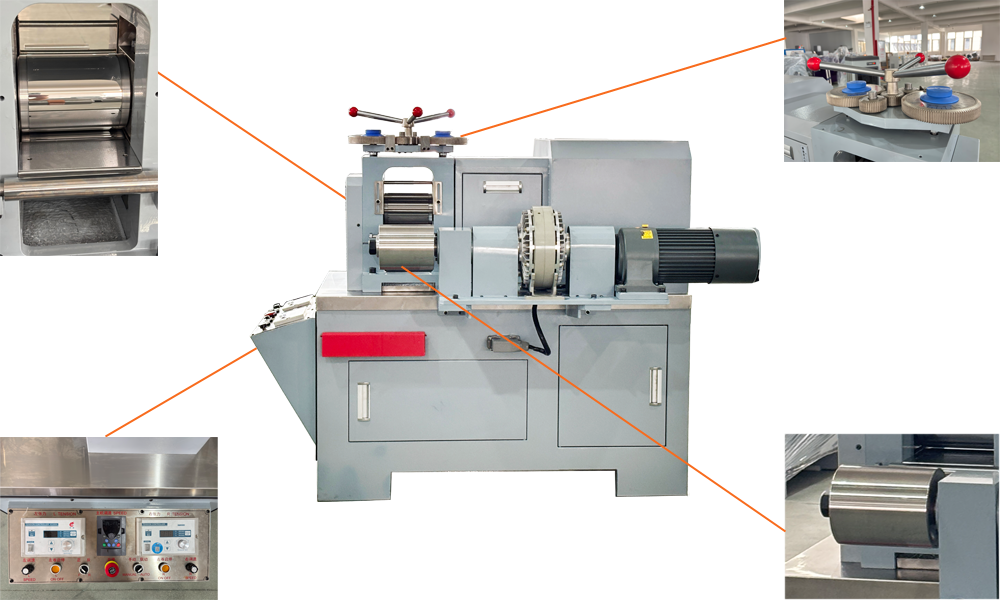
Explore equipment specifications, configurations and applications.

English PDF · 2.1 MB

Categories
Rolling Mills

Metal Strips Rolling Mill

Gold · Silver · Copper Strip Production

Metal Strips Rolling Mill for Precision Sheet Reduction

The CDOCAST metal strips rolling mill reduces cast bars, plates and sheet stock into controlled gold, silver and copper strips. Five standard models combine rigid frames, precision-ground rolls and adjustable rolling gaps for refinery, mint and metal-forming production.

5 ModelsCDO-RM5.5 to RM20
4–15 kWStandard motor power
0.1 mmMinimum output on selected models
HRC 60–62Standard roll hardness
9.4–15.6 m/minStandard roller speed range
Industrial Precious-Metal Forming

Controlled Rolling for Uniform Metal Strip Thickness

A metal strip rolling mill reduces the cross-section of a bar or plate through repeated passes between rotating work rolls. Operators gradually adjust the roll gap until the target sheet or strip thickness is reached.

The standard CDO-RM series is intended for gold, silver, copper and compatible non-ferrous metals. It can prepare strip for bullion products, coin blanks, jewelry components, slitting, stamping and other downstream forming processes.

Core Product Advantages

Features focused on stable rolling pressure, thickness repeatability, operator control and industrial production.

Rigid Machine Frame

A heavy frame helps limit vibration and deformation while rolling thick bars or wide metal strip.

Adjustable Rolling Gap

The adjustment mechanism supports gradual multi-pass reduction toward the required output thickness.

Precision-Ground Rolls

Standard Cr12MoV work rolls are hardened for stable surface contact and repeated production.

Multiple Drive Sizes

Five standard motor and roll-size combinations cover different thickness, width and throughput requirements.

Metal Sheet Rolling Machine Product Configurations

Seven rolling mill structures for standard sheet reduction, automatic coiling, heavy-duty rolling, precision foil and combined sheet-and-wire production.

standard independent metal sheet rolling mill for gold silver and copper strips
Product 01 · Standard Two-High

Standard Independent Sheet Metal Rolling Mill

A standalone two-high metal sheet rolling machine for gold, silver, copper and compatible non-ferrous metals. It suits refineries, bullion workshops and jewelry manufacturers that need controlled multi-pass strip reduction without an automatic coiling line.

▶ Watch Standard Rolling Mill Video
5.5P precision metal strip rolling mill with automatic coiler
Product 02 · Automatic Coiling

5.5P Precision Rolling Mill with Automatic Coiler

The integrated winding system collects longer metal strip during repeated rolling passes. It reduces manual strip handling, helps control coil shape and is suitable for continuous gold, silver or copper strip preparation.

▶ Watch 5.5P Coiler Video
7.5P high performance gold and silver strip rolling mill
Product 03 · Higher Throughput

7.5P Gold and Silver Strip Rolling Mill

A higher-power precious metal rolling mill for thicker input stock, repeated refinery production and improved strip throughput. The final roll width, target thickness and motor configuration should be selected from the actual material dimensions.

▶ Watch 7.5P Rolling Mill Video
15P and 20P heavy duty industrial metal sheet rolling mill
Product 04 · Heavy-Duty Production

15P / 20P Heavy-Duty Metal Sheet Rolling Mill

The larger CDO-RM15 and CDO-RM20 structures provide 11 kW and 15 kW motor power with 250 mm-wide rolls. They are intended for thicker plates, larger batch production and industrial gold, silver or copper strip processing.

▶ Watch Heavy-Duty Rolling Mill Video
four high precision foil rolling mill for thin gold silver and copper strip
Product 05 · Precision Four-High

Four-Roller Precision Foil Rolling Mill

A four-high mill uses backup rolls to support smaller work rolls and reduce roll deflection. This structure is selected for thinner, flatter strip or foil where thickness consistency and surface control are more demanding.

tungsten carbide rolling mill for precision precious metal strip processing
Product 06 · Hard Roll Surface

Tungsten Carbide Rolling Mill Machine

This separate precision configuration uses tungsten carbide work rolls for high wear resistance and demanding surface-finish requirements. It is commonly considered for fine gold, silver, platinum and other valuable metal products where roll-surface condition is critical.

double head combination sheet and wire rolling mill
Product 07 · Sheet and Wire

Double-Head Sheet and Wire Rolling Mill

A combination machine integrates flat rolls for metal sheet with grooved rolls for wire reduction. It provides two forming functions in one footprint for jewelry factories and workshops producing both strip and wire.

Standard Metal Strip Rolling Mill Model Range

Select the machine by input thickness, target output thickness, strip width, metal hardness and required production rate.

CDO-RM5.5

4 kW25–0.1 mm output range
Φ108 × 180 mm rolls

CDO-RM7.5

5.5 kW25–0.1 mm output range
Φ132 × 180 mm rolls

CDO-RM10

7.5 kW30–0.1 mm output range
180 or 250 mm roll width

CDO-RM15

11 kW30–0.1 mm output range
Φ180 × 250 mm rolls

CDO-RM20

15 kW45–0.15 mm output range
Φ200 × 250 mm rolls

Metal Strips Rolling Mill Parameters

Standard CDO-RM5.5 to CDO-RM20 motor, roller, thickness, speed, weight and machine-size comparison.

CDOCAST CDO-RM standard model comparison
SpecificationCDO-RM5.5CDO-RM7.5CDO-RM10CDO-RM15CDO-RM20
Motor4 kW5.5 kW7.5 kW11 kW15 kW
VoltageThree-phase 380 V, 50/60 Hz
Roller speed9.4 m/min11.4 m/min13.1 m/min15.6 m/min13.4 m/min
Output thickness25–0.1 mm25–0.1 mm30–0.1 mm30–0.1 mm45–0.15 mm
Standard roller materialCr12MoV alloy tool steel
Roller hardnessHRC 60–62
Roller sizeΦ108 × 180 mmΦ132 × 180 mmΦ151 × 180 mm or Φ151 × 250 mmΦ180 × 250 mmΦ200 × 250 mm
LubricationBearing bush, grease lubricated
Machine weight600 kg950 kg1200 kg1700 kg3000 kg
Dimensions (L×W×H)1200×640×1370 mm1340×750×1420 mm1430×760×1500 mm1530×840×1600 mm1740×900×1700 mm

Rolling Mill Roller Material Options

Roll material should be selected according to the metal, surface requirement, reduction schedule and production volume.

Standard

Cr12MoV Alloy Tool Steel

The standard CDO-RM specification uses hardened Cr12MoV rolls at HRC 60–62 for general gold, silver and copper strip production.

Optional

DC53 Tool Steel Rolls

DC53 rolls may be selected for applications requiring a different balance of hardness, toughness and wear resistance. Confirm availability by model.

Special Configuration

Tungsten Carbide Rolls

Tungsten carbide rolling mills are separate precision configurations for demanding surface-finish and wear-resistance requirements.

Machine Details and Rolling Controls

Close-up views of the work rolls, direct roll-gap adjustment system and operation controls.

precision work rollers for a gold silver and copper strip rolling mill

Precision-Ground Work Rollers

The rollers directly influence strip thickness consistency, surface finish and production efficiency. Cr12MoV, DC53 or tungsten carbide should be selected according to reduction load, finish requirements and maintenance conditions.

direct roll gap adjusting handwheel on a metal strips rolling mill

Direct Roll-Gap Adjusting Wheel

The graduated handwheel moves the roller position to set the working gap for each pass. Small, even adjustments help operators reduce plate thickness progressively while maintaining more consistent strip output.

metal strips rolling mill operation control panel

Rolling Mill Control Panel

The control panel manages rolling direction and machine operation, allowing the operator to coordinate each reduction pass with the selected roll-gap setting.

Metal Strip Applications and Production Planning

Common rolling tasks and the information required before selecting a precious-metal sheet rolling machine.

Gold and Silver Strip

Rolling cast bars into controlled strip for bullion, jewelry, stamping and further forming.

Copper Sheet and Strip

Multi-pass reduction of copper plate for electrical, decorative or general manufacturing use.

Coin Blank Preparation

Preparing consistent strip before slitting, blanking, annealing and hydraulic coin pressing.

Continuous Coiling

Optional winding and unwinding systems can support longer strip and continuous production workflows.

Download the Metal Strip Rolling Mill Catalog

Review the model range, motor power, roller sizes, output thickness and machine dimensions before selecting a configuration.

Download PDF Catalog

Metal Strips Rolling Mill FAQ

Answers about metals, thickness, model selection, roller material, four-high mills, coilers, maintenance and electrical configuration.

Which metals can the metal strips rolling mill process?

The standard CDO-RM series is intended for gold, silver, copper and compatible non-ferrous metals. The required rolling force, pass reduction and annealing schedule depend on alloy hardness, starting dimensions and target thickness.

What is the minimum output thickness?

CDO-RM5.5, RM7.5, RM10 and RM15 are listed for output down to 0.1 mm. CDO-RM20 is listed for output down to 0.15 mm. Actual achievable tolerance and surface quality depend on the metal, incoming flatness, pass schedule, roll condition and operator setup.

How should I choose between CDO-RM5.5, RM7.5, RM10, RM15 and RM20?

Compare the maximum input thickness, required strip width, metal hardness, target output thickness and production rate. Larger models provide higher motor power and larger rolls, but the correct machine should be confirmed from the actual material and reduction schedule.

What roller material is supplied as standard?

The standard parameter table specifies Cr12MoV alloy tool-steel rolls hardened to HRC 60–62. DC53 or tungsten carbide may be available for selected requirements, but these options must be confirmed for the machine design and intended metal.

What is the difference between a two-high and four-high rolling mill?

A two-high mill uses two main work rolls and is suitable for general sheet and strip reduction. A four-high mill adds backup rolls to support smaller work rolls, reducing roll deflection and improving control when producing thinner, flatter strip or foil.

Can the rolling mill include an automatic coiler?

Yes. Coiling and uncoiling systems can be configured for longer strip and continuous handling. Strip width, coil weight, line speed, tension control and production layout must be confirmed before the system is designed.

What maintenance does a metal strip rolling mill require?

Keep rolls clean, inspect surfaces for dents or embedded particles, maintain correct lubrication, check bearings and gearbox condition, verify roll parallelism and avoid feeding material outside the rated thickness or width. Follow the supplied maintenance schedule and safety procedure.

Can the voltage and rolling configuration be customized?

The standard specification is three-phase 380 V, 50/60 Hz. Alternative voltage, roll width, roller material, control system and coiling arrangements may be available. Confirm all electrical and production requirements with CDOCAST before manufacturing.

Confirm Your Metal Strip Rolling Mill Configuration

Send the metal, input dimensions, target strip thickness and width, required output, voltage, roll material preference and coiling requirement.

Contact CDOCAST
Categories
Rolling Mills

Jewelry Wire Rolling Machine

Gold · Silver · Platinum · Copper Wire Forming

Jewelry Wire Rolling Machine for Precious Metal Wire Reduction
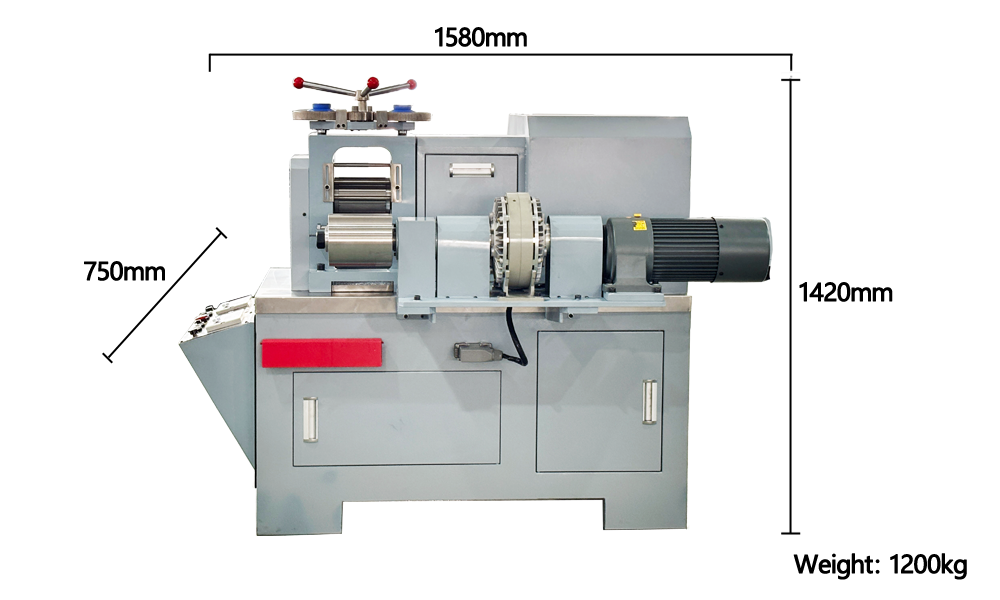
The CDOCAST jewelry wire rolling machine uses precision-grooved rolls to reduce cast rods and square wire through controlled passes. Five standard models cover workshop-scale gold and silver wire preparation through heavier industrial precious-metal wire production.

5 ModelsCDO-RM5.5 to RM20
4–15 kWStandard motor range
1 × 1 mmSmallest listed wire size
HRC 60–62Standard roll hardness
13.4–25 m/minListed roller speeds
Grooved-Roll Wire Forming

Controlled Multi-Pass Reduction for Jewelry Wire Production

A jewelry wire rolling mill reduces the cross-section of gold, silver, platinum, copper and compatible non-ferrous wire stock between matched grooved rolls. Used as a gold wire rolling machine, silver wire rolling mill or platinum wire preforming machine, it passes material through progressively smaller grooves until the required intermediate square or profiled size is reached.

Rolling is normally part of a complete wire-production process. Depending on the required final geometry, the rolled material may continue through annealing, pointing and wire drawing before final winding. This distinction is important when buyers require finished round wire rather than rolled square wire.

10P industrial jewelry wire rolling mill showing grooved roller arrangement

Jewelry Wire Rolling Machine Core Advantages
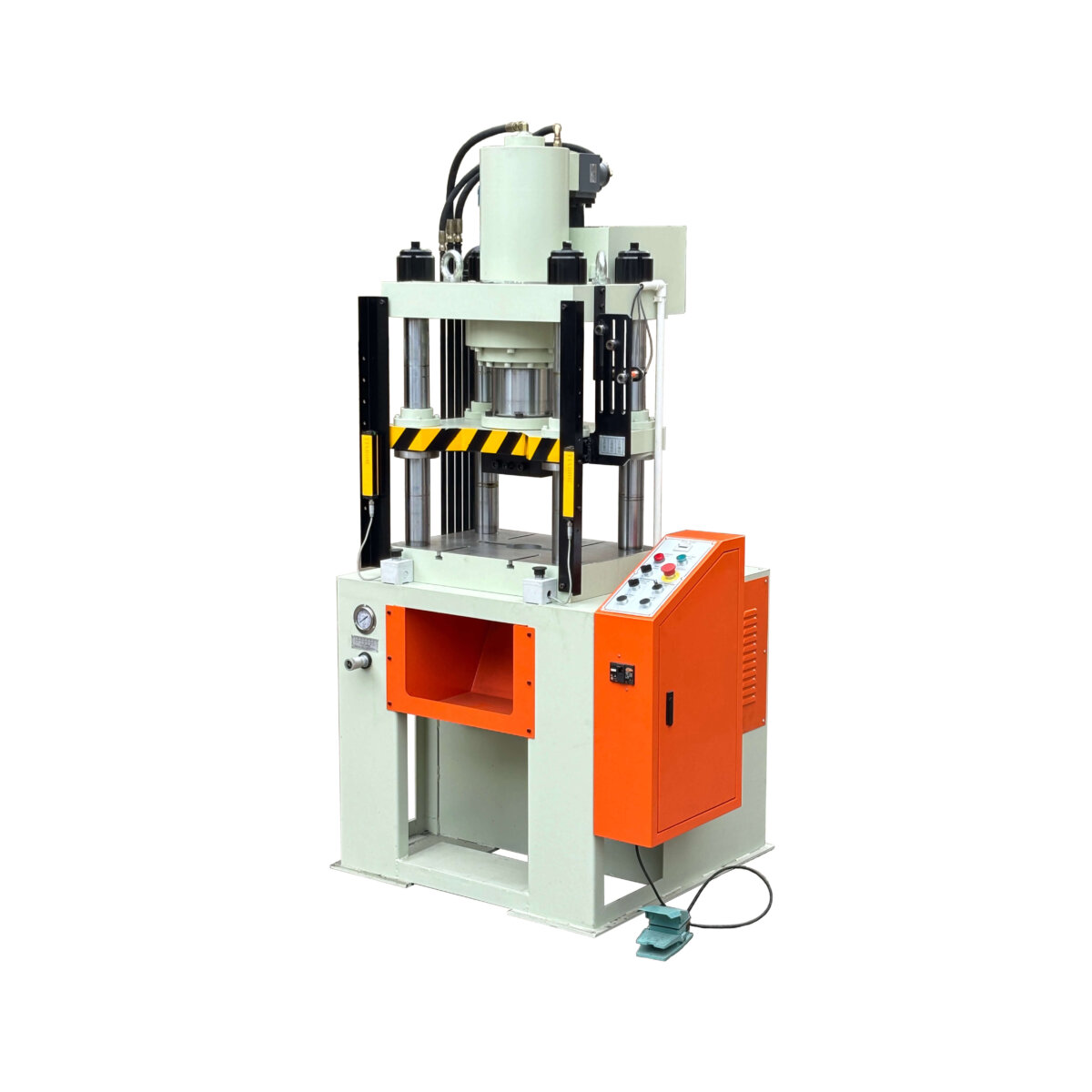
Machine features focused on stable wire reduction, repeatable profiles and reliable precious-metal production.

Precision Grooved Rollers

Matched grooves support controlled cross-section reduction and more consistent intermediate wire geometry.

Rigid Industrial Frame

A heavy structure helps limit vibration and frame deflection while processing dense precious-metal rods.

Adjustable Roll Position

The direct handwheel arrangement lets the operator set roller position for the planned reduction sequence.

Roll Material Options

Cr12MoV is standard; DC53 or tungsten carbide upgrades can be evaluated for specific wear and finish requirements.

Jewelry Wire Rolling Mill Machine Sizes
Original CDOCAST product views for lower-power workshop production and heavier wire-reduction requirements.

5.5P compact jewelry wire rolling machine
Compact Model Group

5.5P and 7.5P Jewelry Wire Rolling Machines

Both models are listed for wire reduction from 7 × 7 mm to 1 × 1 mm. The RM7.5 adds higher motor power and a faster listed roller speed for increased workshop output.

10P heavy duty jewelry wire rolling machine
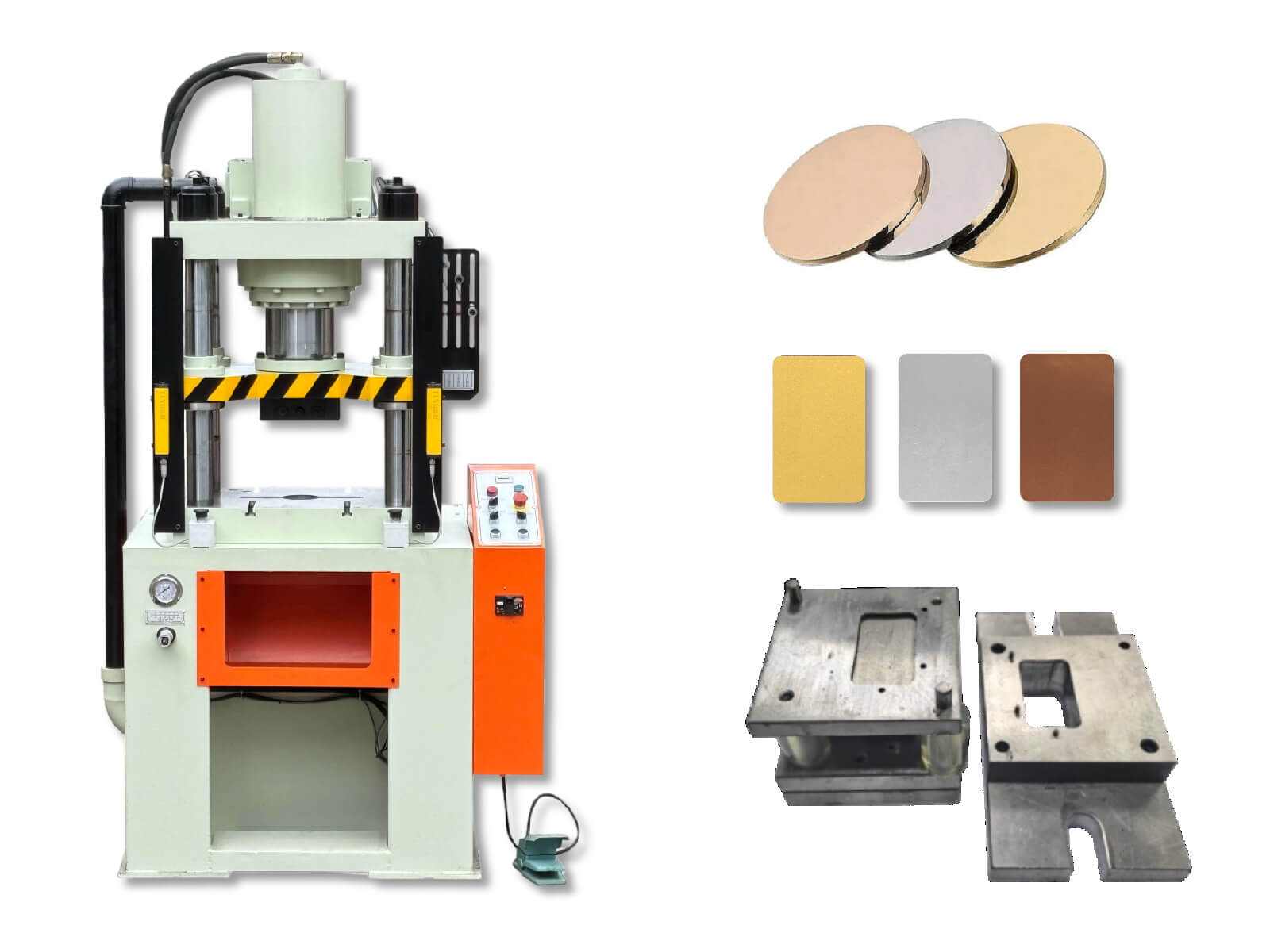
Industrial Model Group

10P, 15P and 20P Heavy-Duty Wire Rolling Machines

Larger rolls, greater motor power and wider wire-size ranges support heavier incoming rods and larger industrial precious-metal wire batches.

Standard Jewelry Wire Rolling Machine Model Range

Select the machine from incoming wire size, required intermediate size, alloy, production speed and downstream drawing process.

CDO-RM5.5

4 kW7×7 to 1×1 mm
15 m/min

CDO-RM7.5

5.5 kW7×7 to 1×1 mm
18.3 m/min

CDO-RM10

7.5 kW14×14 to 6×6 mm
21 m/min

CDO-RM15

11 kW18.5×18.5 to 11×11 mm
25 m/min

CDO-RM20

15 kW23.5×23.5 to 17×17 mm
13.4 m/min

Jewelry Wire Rolling Machine Parameters
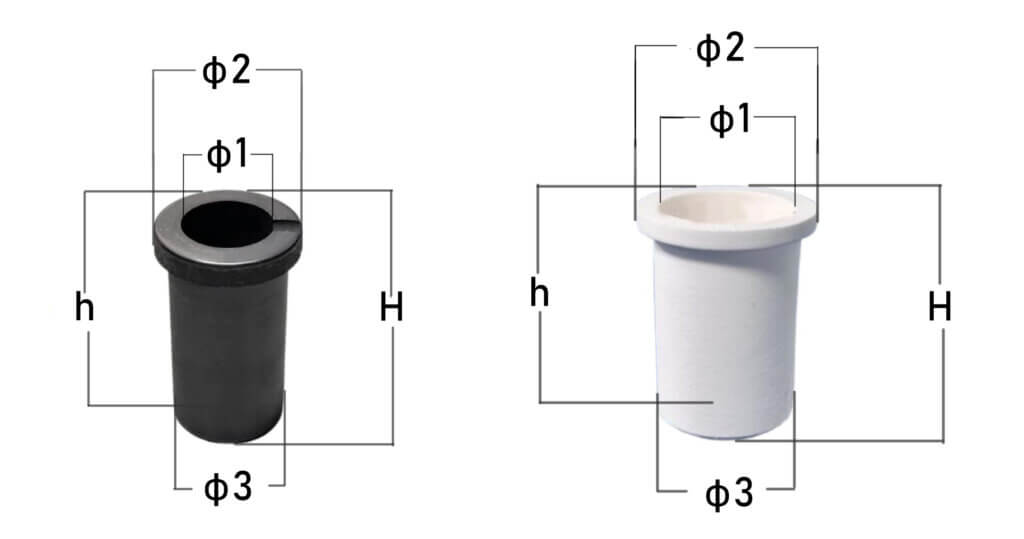
Complete motor, speed, wire-size, roll, weight and machine-dimension comparison from the original product specifications.

CDOCAST CDO-RM jewelry wire rolling mill model comparison
SpecificationRM5.5RM7.5RM10RM15RM20
Motor4 kW5.5 kW7.5 kW11 kW15 kW
Voltage380 V, three phase, 50/60 Hz
Roller speed15 m/min18.3 m/min21 m/min25 m/min13.4 m/min
Wire size7×7–1×1 mm7×7–1×1 mm14×14–6×6 mm18.5×18.5–11×11 mm23.5×23.5–17×17 mm
Standard roller materialCr12MoV alloy tool steel
Roller hardnessHRC 60–62
Roller sizeΦ108×228 mmΦ132×228 mmΦ151×250 mmΦ180×250 mmΦ200×250 mm
LubricationBearing bush, grease lubricated
Machine weight600 kg950 kg1200 kg1700 kg3000 kg
Dimensions (L×W×H)1200×640×1370 mm1340×750×1420 mm1430×760×1500 mm1530×840×1600 mm1740×900×1700 mm
Optional roll materialDC53 or tungsten carbide, subject to model and application confirmation

Machine Details and Wire Rolling Controls

Original product views of the grooved rollers, control panel, direct adjustment system and optional wire take-up device.

grooved rollers for precious metal jewelry wire rolling

Grooved Wire Rollers

The groove profile and roller condition directly affect wire geometry, surface quality and production stability.

jewelry wire rolling machine operation control panel

Operation Control Panel

The panel manages rolling direction and machine operation for the planned multi-pass reduction sequence.

direct adjusting wheel for jewelry wire rolling mill roller position

Direct Roller Adjustment

Graduated handwheels adjust roller position so the operator can set the required groove engagement for each pass.

wire take up device for jewelry wire rolling machine

Wire Take-Up Device

A compatible take-up arrangement helps collect processed wire more evenly. Coil size and tension requirements should be confirmed before production.

Gold and Silver Wire Production Planning

Information that helps match the jewelry wire rolling machine to the complete precious-metal wire workflow.

Incoming Rod Dimensions

Provide the alloy, starting shape and maximum cross-section rather than selecting by motor power alone.

Intermediate Wire Size

Confirm the square or profiled size required before annealing and final wire drawing.

Reduction and Annealing

Pass reduction and annealing frequency depend on alloy hardness, work hardening and surface requirements.

Take-Up and Line Layout

Specify coil diameter, coil weight, operating direction and available floor space for supporting equipment.

Download the Metal Wire Rolling Mill Catalog

Review the model range, wire sizes, roller specifications and machine dimensions before confirming a configuration.

Download PDF Catalog

Jewelry Wire Rolling Machine FAQ

Concise answers about materials, model selection, wire sizes, roll materials, final round wire and take-up options.

Which metals can the jewelry wire rolling machine process?

The standard CDO-RM wire rolling series is intended for gold, silver, platinum, copper and compatible non-ferrous alloys. The pass schedule and annealing frequency must be selected according to alloy hardness, starting cross-section and required intermediate wire size.

How do I choose between RM5.5, RM7.5, RM10, RM15 and RM20?

Choose from the actual incoming wire dimensions, required output range, alloy, production speed and downstream drawing process. RM5.5 and RM7.5 are listed for 7×7 mm down to 1×1 mm, while RM10, RM15 and RM20 cover progressively larger cross-sections.

What is the smallest wire size listed for the standard models?

CDO-RM5.5 and CDO-RM7.5 are listed for wire sizes down to 1×1 mm. The larger RM10, RM15 and RM20 machines have different, heavier wire-size ranges shown in the parameter table.

What roller material is supplied as standard?

The original specification lists Cr12MoV alloy tool-steel rolls at HRC 60–62. DC53 or tungsten carbide can be evaluated as upgrades, but suitability and availability must be confirmed for the selected model and wire application.

Does wire rolling produce finished round jewelry wire?

Not necessarily. Grooved rolling efficiently reduces and profiles the incoming rod, but finished roundness and final diameter may require annealing and a downstream wire drawing machine. Confirm the required final cross-section before choosing the process.

Can a wire take-up or coiling device be supplied?

A take-up arrangement can be considered for compatible production layouts. CDOCAST needs the required coil diameter, coil weight, line speed, tension requirement and operating direction before confirming the configuration.

Can the voltage and roller grooves be customized?

The standard table lists three-phase 380 V, 50/60 Hz. Alternative electrical requirements, groove profiles, roll materials and supporting take-up equipment may be available and should be confirmed before manufacturing.

Confirm the Right Jewelry Wire Rolling Machine

Send your metal, incoming wire size, required intermediate size, hourly output, voltage and take-up requirement for model selection.

Contact CDOCAST

Machine Details


Jewelry Wire Rolling Machine

Click to watch the video

Jewelry Wire Rolling Machine

Jewelry Wire Rolling Machine Details

jewelry wire rolling machine detail

jewelry wire rolling machine operation panel

Wire Take Up Device

wire take up device

Feature

Engineered for Excellence: Key Advantages of Our Wire Rolling Mill

1. High-Grade Alloy Rollers for Uncompromising Quality
We utilize premium forged alloy rollers, renowned for their exceptional wear resistance and thermal stability. This choice directly translates to superior surface finish on your precious metal wires, extended intervals between re-grinding, and consistent dimensional accuracy over long production runs, ensuring ultimate product stability.

2. Robust & Heavy-Duty Construction for Maximum Stability
The mill features a massively rigid, one-piece frame construction. This heavy-duty design effectively absorbs and dampens the high dynamic loads generated during rolling, virtually eliminating frame deflection and vibration. The result is not only enhanced operational safety but also significantly improved wire dimensional consistency and a longer machine service life.

3. Precision-Guiding System for Flawless Wire Geometry
Our proprietary, uniquely engineered wire guiding and alignment system is key. It meticulously centers the wire entering each roll stand, dramatically reducing tolerances and preventing common issues like twisting or asymmetrical deformation. This innovative design is what guarantees the exceptional geometric precision and uniformity of your final wire product.

4. Optimized for Zero-Contamination Processing
The entire deformation path, from entry guides to the rolls themselves, is crafted from dedicated, non-reactive materials and finished to a mirror-like polish. This meticulous attention to detail ensures that you can roll gold, silver, and platinum in succession without cross-contamination and with virtually zero material loss, preserving the full value of your precious metals.

5. Tailored Solutions for Your Specific Production
We understand that one size does not fit all. Our rolling mills are highly customizable, with options to specify the number of rolling stands, final wire diameter range, motor power, and the level of automation. This flexibility allows us to deliver a perfect solution, whether for a specialized jewelry workshop or a large-scale industrial refinery.

6. Advanced, Interference-Free Drive Technology
The machine employs a sophisticated combination of multiple independent drivers and a meticulously calibrated gear train structure. This advanced configuration delivers perfectly moderate and controlled rolling speeds, crucial for the delicate nature of precious metals. Furthermore, this design inherently prevents torsional vibration and power transmission interference, ensuring exceptionally smooth operation and protecting the integrity of your fine wires.

Categories
Rolling Mills

Tungsten Carbide Rolling Mill

Tungsten Carbide Rolls · Precision Sheet and Foil Finishing

Tungsten Carbide Rolling Mill for Precious Metal Sheet and Foil

The CDOCAST tungsten carbide rolling mill uses hard carbide work rolls for precision finishing of gold, silver, platinum, copper, aluminum and compatible metal sheet. Four standard models cover compact sheet finishing, magnetic-powder-clutch coiling and output thickness down to 0.05 mm on the listed RMM5.5 configuration.

4 ModelsRMC4 to RMM7.5
3–5.5 kWStandard motor range
0.05 mmListed minimum on RMM5.5
8.5–11.4 m/minRoller speed range
Torque / ClutchCoiler configurations
Where Carbide Rolls Add Value

Precision Finishing After Primary Sheet Reduction

A tungsten carbide rolling mill—also searched as a tungsten steel rolling mill or carbide roller mill—is normally selected when roll wear, surface consistency and fine thickness control are more important than economical heavy reduction.

For many gold, silver and copper workflows, a standard Cr12MoV or DC53 rolling mill performs the larger reduction passes first. The metal then moves to the tungsten carbide sheet rolling machine for the final precision passes. This approach reduces unnecessary wear on the premium carbide rolls.

high precision tungsten steel rolling machine components and controls

Tungsten Carbide Rolling Mill Core Advantages

Product characteristics focused on carbide roll wear resistance, finishing control and stable coiling.

Tungsten Carbide Work Rolls

Hard carbide roll surfaces are intended for demanding wear resistance and controlled final-pass sheet finishing.

Fine Output Range

Standard models list minimum output from 0.1 mm, with RMM5.5 listed down to 0.05 mm for 60 mm-wide gold.

Controlled Strip Collection

Torque-motor or magnetic-powder-clutch coilers support more stable winding according to the selected configuration.

Rigid Machine Structure

The frame, drive and roller assembly support repeated precision passes for valuable metal sheet and foil.

Standard Tungsten Carbide Rolling Mill Models

Select the model from incoming thickness, target output, strip width, metal, tolerance and required winding system.

CDO-RMC4

3 kW5–0.1 mm output
Torque-motor coiler

CDO-RMC5.5

4 kW20–0.1 mm output
Torque-motor coiler

CDO-RMM5.5

4 kW30–0.05 mm listed range
Magnetic-powder-clutch coiler

CDO-RMM7.5

5.5 kW25–0.1 mm output
Magnetic-powder-clutch coiler

Tungsten Carbide Rolling Mill Parameters

Complete motor, thickness, roll, coiler, weight and machine-size comparison from the original product specifications.

CDOCAST RMC and RMM tungsten carbide roller mill comparison
SpecificationRMC4RMC5.5RMM5.5RMM7.5
Motor3 kW4 kW4 kW5.5 kW
Voltage380 V, three phase, 50/60 Hz
Roller speed8.5 m/min10.7 m/min10.7 m/min11.4 m/min
Output thickness5–0.1 mm20–0.1 mm30–0.05 mm for 60 mm-wide gold25–0.1 mm
Listed output toleranceConfirmConfirm±0.003 mmConfirm
Roller materialTungsten carbide
Published roller hardnessHRA 92–93
Roller sizeΦ98×120 mm
90 mm carbide length
Φ123×152 mm
120 mm carbide length
Φ123×152 mm
120 mm carbide length
Φ132×180 mm
150 mm carbide length
LubricationBearing bush, grease lubricated
Coiler typeTorque motorTorque motorMagnetic powder clutchMagnetic powder clutch
Machine weight500 kg630 kg650 kg1200 kg
Dimensions (L×W×H)920×1020×1300 mm1320×1160×1370 mm1420×1260×1470 mm1580×1350×1420 mm
Optional magnetic-powder coiler——5 kg OPC-050 or 10 kg OPC-10010 kg
Winding motor——5 kg: 1100 W
10 kg: 2200 W
2.2 kW

Machine Details and Precision Rolling Controls

Three important configurations covering the tungsten carbide work rolls, tension-controlled winding and ultra-precision CNC operation.

polished tungsten carbide work rolls for precision metal sheet rolling

Tungsten Carbide Work Rolls

The high-hardness tungsten carbide roll surfaces provide strong wear resistance and dimensional stability for controlled final passes. Keeping the rolls clean, parallel and free from hard particles helps protect sheet finish and thickness consistency.

tungsten carbide rolling mill with labeled magnetic powder clutch winding control

Magnetic Powder Clutch Rewinding and Unwinding

In configured continuous lines, magnetic powder clutches regulate torque at the strip take-up and payoff units for steadier winding tension. Controlled slip also provides mechanical protection if resistance rises unexpectedly. The standard RMM specifications list the coiler; a complete unwinding-and-rewinding arrangement should be confirmed with the required coil weight and strip width.

ultra-precision tungsten carbide rolling mill with labeled CNC touchscreen and servo motor

CNC Control and Servo Motor System

On the ultra-precision numerical-control configuration, the touchscreen CNC interface works with the servo drive system for repeatable adjustment and more consistent process control. CNC and servo functions should be selected according to the required thickness tolerance and automation level.

Recommended Precision Rolling Workflow

A practical production sequence that protects premium carbide rolls and improves final-pass control.

Primary Sheet Reduction

Use a standard alloy-steel rolling mill for larger thickness reductions when surface requirements allow.

Annealing and Surface Inspection

Prepare the metal according to alloy work-hardening behavior and remove particles that could mark the carbide rolls.

Carbide-Roll Final Passes

Use the tungsten carbide foil rolling mill for controlled final thickness and strip collection.

Download the Tungsten Roller Rolling Mill Catalog

Review the model range, roller sizes, output thickness, coiler options and machine dimensions.

Download PDF Catalog

Tungsten Carbide Rolling Mill FAQ

One visible FAQ set covering applications, models, thickness, coilers, roll protection and production planning.

What is a tungsten carbide rolling mill used for?

It is a precision sheet and foil rolling machine fitted with tungsten carbide work rolls. It is commonly selected for the final passes of gold, silver, platinum, copper, aluminum and compatible alloys when wear resistance, surface consistency and fine thickness control are important.

When should I choose carbide rolls instead of standard alloy-steel rolls?

Standard Cr12MoV or DC53 rolls are generally more economical for large primary reductions. Tungsten carbide rolls are better reserved for controlled finishing passes, fine output thickness and demanding surface requirements.

What is the minimum listed output thickness?

RMC4, RMC5.5 and RMM7.5 are listed down to 0.1 mm. RMM5.5 is listed down to 0.05 mm for 60 mm-wide gold, with a listed output tolerance of ±0.003 mm. Actual results depend on metal, width, incoming flatness, reduction schedule and roll condition.

How do I choose between RMC4, RMC5.5, RMM5.5 and RMM7.5?

Compare the incoming thickness, target output, strip width, metal, tolerance, production rate and winding requirement. RMC models use torque-motor coilers, while RMM models are configured with magnetic-powder-clutch coilers.

What does the magnetic powder clutch do?

The clutch helps control winding torque and provides a more stable strip-collection arrangement. Confirm the required coil weight, strip width, line speed and winding motor before selecting the coiler.

How should tungsten carbide rolls be protected?

Keep the material and rolls free from hard particles, avoid feeding stock outside the rated thickness or width, inspect incoming sheet edges and use standard rolls for unnecessary heavy reduction. Follow the supplied lubrication, alignment and maintenance procedure.

Can the voltage and coiler configuration be customized?

The standard specification is three-phase 380 V, 50/60 Hz. Alternative electrical requirements and winding configurations may be available, but they must be confirmed with the metal, strip width, target thickness and coil requirement before manufacturing.

Does this machine replace a primary metal strip rolling mill?

Usually not. A cost-effective workflow often uses a standard rolling mill for the larger reduction passes and the tungsten carbide rolling mill for the final precision passes. The exact process depends on the alloy and required surface finish.

Confirm the Correct Carbide Roller Mill

Send your metal, input thickness, strip width, target output, tolerance, coil weight, voltage and production rate.

Contact CDOCAST

Machine Details

Tungsten Carbide Rolling Mill for Cold Rolling Applications

Click to watch the video

Tungsten Carbide Rolling Mill Water Chiller

Tungsten Carbide Rolling Mill Water Chiller

Tungsten Carbide Rolling Mill Water Chiller

Feature

Tungsten Carbide Rolling Mill:

1. Ultra-High Hardness Tungsten Steel Roller

Crafted from high-density tungsten carbide (hard alloy), our rollers boast an exceptional hardness of HRC 92-93—far surpassing conventional alloy steel rollers (HRC 60-65). With outstanding wear resistance, they deliver a 5-8x longer service life, making them ideal for high-precision, high-strength continuous rolling processes. Their unmatched stability ensures consistent performance without deformation over prolonged use.

2. Precision Press Forming

Achieves pressing accuracy of ±0.01mm, producing sheets with uniform thickness, free of burrs or cracks. Perfect for processing ultra-thin materials like high-precision precious metal foils (gold, silver, platinum) and electronic foil components.

3. Mirror-Grade Surface Finish

Our specialized polishing technology delivers a flawless surface with Ra≤0.05μm mirror finish, eliminating the need for additional polishing. Ready for immediate use in high-end decorative applications, electronic coating, and other demanding fields.

4. Magnetic Particle Clutch: Precision Torque Control + Overload Protection

Featuring dynamic torque adjustment via excitation current (millisecond response), our magnetic particle clutch ensures precise control—ideal for frequent rolling force changes (e.g., varying materials/thicknesses). Its flexible coupling-like properties enhance process adaptability. During overloads (e.g., material jams), the clutch instantly slips to isolate excess torque, safeguarding machinery with rapid response and reliable protection.

5. Intelligent Coiling/Uncoiling Synergy System

Our servo-driven, high-precision coiling/uncoiling system, integrated with a magnetic particle clutch, enables fully automated continuous production. The closed-loop speed-tension control (±1% accuracy) dynamically adjusts rolling tension to prevent material stretching or breakage. Equipped with smart edge-guiding and constant-tension modules, it’s optimized for 0.01mm ultra-thin precious metal foils, ensuring wrinkle- and damage-free output. From uncoiling to rolling and recoiling, the entire process is completed in a single feed, boosting productivity by 40% while minimizing waste—the ultimate solution for premium foil processing.

Categories
Hydraulic Minting Press

Hydraulic Punching Machine

hydraulic punch
make jewelry video
hydraulic punch
Hydraulic Punching Machine

Hydraulic Punching Machine for Gold Silver Coin Blanks

CDOCAST hydraulic punching machine is designed for cutting accurate coin blanks and precious metal planchets from rolled gold, silver, copper and alloy strips before annealing, polishing and final minting.

50-200 ton models Coin blanking press Four-column structure Custom punch dies

Application

Gold silver coin blanks

Cut round or shaped planchets from rolled precious metal strip before minting.

Structure

Four-column hydraulic press

Stable guide columns help keep the moving beam vertical during blanking.

Tooling

Matched blanking dies

Custom punch dies are made according to coin diameter, strip thickness and material.

Production

For minting line use

Works with rolling mill, annealing furnace, polishing machine and hydraulic minting press.

How to choose

How to Choose the Right Hydraulic Coin Blanking Press

Do not choose a hydraulic punching machine only by the tonnage number. For gold and silver coin blank production, the correct model depends on blank diameter, strip thickness, material hardness, required output and punch die structure.

  • 1Confirm the blank diameter and thickness Larger coin blanks and thicker strip require higher tonnage and stronger tooling.
  • 2Check the material type Silver, gold, copper and alloy strip have different hardness after rolling and may need annealing before or after punching.
  • 3Match the die opening and table area The worktable, center blanking hole and die shank size should match the punch die design.
  • 4Plan the full minting process Stable blanking supports later polishing, annealing and final hydraulic coin minting quality.
hydraulic press structure for precious metal coin blanking and minting line

Technical parameters

CDOCAST Hydraulic Punching Machine Models

For fast model selection, buyers only need to compare the key working data first. Detailed drawings and tooling dimensions can be confirmed after coin diameter, strip thickness and material hardness are clear.

ModelForcePressureBeam DistanceWorktableMotorWeightBest For
CDOHP-5053 Ton20 MPa320 mm450 x 450 mm5.5 kW1600 kgSmall coin blanks and light precious metal sheet punching
CDOHP-60S60 Ton20 MPa350 mm450 x 450 mm5.5 kW1500 kgStandard coin blanking press work with custom punch dies
CDOHP-100100 Ton20 MPa380 mm550 x 550 mm5.5 kW2500 kgMedium gold silver coin blanks and thicker strip punching
CDOHP-165S165 Ton25 MPa400 mm520 x 580 mm7.5 kWApprox. 3000 kgLarge coin blanks and heavier precious metal punching jobs
CDOHP-200S200 Ton25 MPa500 mm520 x 600 mm11 kW4800 kgHeavy-duty blanking for large medals and thick precious metal strips
Standard configuration normally uses three-phase 380V, 50Hz power, front photoelectric safety protection, two-hand control buttons and foot switch. 1 ton is approximately 10kN. Final table opening, die mounting size and punching die design should be confirmed according to coin diameter, strip thickness and material hardness.
hydraulic punching machine drawing for coin blanking press workflow

Process position

Where the Punching Machine Fits in Coin Production

In a gold silver coin minting line, the hydraulic punching machine is normally used after strip rolling and before annealing, polishing and final minting. Its job is not to create the final relief pattern, but to prepare accurate blanks for the minting press.

  • 1Rolling mill prepares metal strip to the required thickness for target coin weight.
  • 2Hydraulic punching machine cuts the strip into accurate gold silver coin blanks.
  • 3Annealing and polishing reduce hardness, burrs and surface contamination before minting.
  • 4Hydraulic minting press strikes the final pattern with custom coin minting dies.

Need help choosing the correct punching tonnage?

Send your coin diameter, material, strip thickness and daily output target. CDOCAST can recommend the hydraulic punching machine and punch die configuration for your minting line.

Request a Quote

Machine Pictures

Hydraulic Blanking Punch Machine

hydraulic punch

hydraulic punch

Process

hydraulic punch

Machine Drawing

Hydraulic Punching Machine Water Chiller

Details

hydraulic punch

Parameter

Model numberCDO-HP50CDO-HP60CDO-HP100CDO-HP180CDO-HP200
Nominal/ton5360100180200
Max System Pressure/Mpa2022202422
Max stroke/mm200200250250250
Height of working platform from ground/mm900880900900850
Opening Height/mm--380------
Middle blanking hole diameter of table/mm100--120100150
Moving beam top die shank hole diameter/mm4040404040
The maximum distance from the
moving beam to the workbench/mm
320--380400500
Descending speed/mm180190200170180
Feeding Speed/mm--10--10--
Rising speed/mm200190220160150
Worktable area/mm450*450450*450550*550520*580520*600
Overall Dimension(L-R)/mm10801080120014001400
Overall Dimension(F-B)/mm940950105011001300
Overall Dimension(H)/mm21002100220025502500
Motor power/kw5.55.55.57.511
Weight/kg160016002500--4800

Feature

Hydraulic Blanking Press Key Features:

1. Premium Four-Column Structure: Ensures exceptional stability and precision, supported by a three-sided protective door for operator safety.

2. Guaranteed Vertical Accuracy: Features a four-axis precision linear self-lubricating guide system for flawless, consistent stamping results.

3. Simple Operation: Designed for a shallow learning curve, allowing ordinary workers to achieve skilled operation quickly and efficiently.

4. Built with Renowned Components: Utilizes top-tier international brand parts for low-noise operation, strong stability, and high safety performance.

5. Superior & Solid Design: Engineered with a rational and robust structure, our press is built stronger and more durable than standard alternatives.


CDOCAST / PRODUCT BROCHURE

Hydraulic Punching Machine

Explore equipment specifications, configurations and applications.

English PDF · 3.6 MB

Categories
Hydraulic Minting Press

Dies For Minting& Casting

Custom Minting Tooling

Custom Coin Minting Dies and Gold Bar Stamping Dies

CDOCAST designs and manufactures precision coin minting dies, gold and silver bar stamping dies, serial number die systems, logo dies, character dies, casting dies, blanking tools, and quick-change tooling for mints, refineries, bullion producers, and precious metal workshops.

custom coin minting die and blank tool for gold silver coin production
Custom minting die and blank tool for silver coins, gold coins, medals, logos, characters, and bullion marking.
▶ Watch Custom Dies Samples Video See finished die examples CDOCAST has made for coin, bar, and logo projects.
ApplicationsCoins, bars, medals, serial marks
MaterialDC53 tool steel options
ProcessCNC, EDM, polishing
SurfaceMirror, satin, relief details
Lead TimeCustom project based

Choose the Right Die for Your Minting or Casting Project

Different precious metal products require different die structures. The right tooling depends on product shape, metal type, press compatibility, artwork depth, surface finish, and expected production volume.

1

Logo and Character Stamping Dies

Used for stamping logos, purity marks, serial numbers, weight information, and brand characters on gold bars, silver bars, and bullion products.

2

Coin Minting Dies

Designed for high-detail coins, medals, commemorative products, and proof-style surfaces requiring sharp relief, clean edges, and stable repeatability.

3

Casting and Blanking Tools

Custom tooling for bar casting shapes, gold foil banknotes, blanks, and supporting processes before final minting, stamping, or packaging.

Custom Die Samples and Tooling Types

These examples show common CDOCAST tooling options for serial number dies, coin minting dies, bar stamping dies, custom logo stamping dies, blank tooling, and gold foil banknote dies.

Explore additional tooling examples by process. Select an image to inspect the complete tool or engraving detail.

Coin Minting Dies

Engraved coin and medal dies transfer the reverse of the artwork onto prepared blanks in a compatible minting press. The mounting, relief and finish are specified for the project.

Three separate coin minting dies with script, equestrian and ornamental engravingsView full image
Three coin minting die designs

Three separate tooling examples with script, equestrian and ornamental engravings.

Custom coin minting die with fine lettering and a decorative borderView full image
Fine lettering and border

A separate round die face with fine engraved detail.

Coin minting die showing central relief and surrounding letteringView full image
Relief and surrounding lettering

A central design with a surrounding border layout.

Coin minting die with a circular engraved face and mounting holesView full image
Circular coin minting die

Engraved relief and mounting features shown together.

Illustrative view

Gold & Silver Bar Minting Dies

Engraved faces for bullion-bar lettering and decorative relief. These are pressing tools, not cavities for holding molten metal.

Bar minting dies with three different repeating engraved patternsView full image
Patterned bar-die faces

Three different repeating engraving examples.

Illustrative view
Rectangular bullion bar dies with engraved lettering and emblemsView full image
Rectangular engraved dies

Separate bar-tooling examples with lettering and emblems.

Illustrative view
Small engraved punches for bullion logo and character markingView full image
Small engraved marking punches

Compact engraved heads for a tooling and mounting review.

Illustrative view

Logo and Character Stamping Dies

Guided stamping assemblies apply approved logos, lettering or other marks to prepared gold and silver bars. The positioning arrangement is matched to the bar and press.

Four-head logo stamping die assembly with a shared base and guide sleevesView full image
Four-head logo stamping assembly

Engraved marking heads arranged on a shared base.

Illustrative view
Single-head gold bar stamping die in a guided assemblyView full image
Single-head bar stamping die

One rectangular engraved face in a guided assembly.

Illustrative view
Two-head logo stamping die assembly with guide sleevesView full image
Two-head stamping layout

A different marking-head arrangement with guide sleeves.

Illustrative view
Multi-head logo stamping tooling arranged on a common mounting baseView full image
Multi-head logo tooling

Several engraved heads on a common mounting base.

Illustrative view
Gold bar stamping die assemblies with different engraved face sizesView full image
Different bar-tooling sizes

Face-size examples; final dimensions follow the approved drawing.

Illustrative view
Logo stamping die assembly beside a close-up of its engraved headView full image
Stamping head and face detail

Assembly and engraving shown together for comparison.

Illustrative view

Blanking Dies for Coin and Bar Blanks

A punch and matching die opening cut the blank outline from gold or silver sheet before minting or stamping. Sheet thickness, material and press mounting must be confirmed.

Guided blanking die assembly for preparing coin and bar blanks from sheetView full image
Guided blanking die assembly

Upper and lower tooling with guide components and mounting plates.

Illustrative view
Circular blanking punch and its matching die opening shown separatelyView full image
Circular punch and die opening

An open view showing the circular blanking geometry.

Illustrative view
Rectangular blanking punches beside a die plate with matching openingsView full image
Rectangular punch tooling

Separate punches and corresponding rectangular openings.

Illustrative view
Blanking die guide sleeves and slotted mounting base shown in detailView full image
Guide and mounting details

Supplied comparison views of the guides and mounting base.

Illustrative view

Gold Foil Banknote Dies

Broad, flat engraved plates for decorative precious-metal foil products. Working area, substrate, backing and compatible press arrangement are confirmed before manufacture.

Gold foil banknote die with floral engraving and patterned borderView full image
Floral engraved plate

A rectangular tooling face with a fine border and background detail.

Illustrative view
Decorative foil embossing plate with lettering and border detailView full image
Decorative lettering plate

A separate example of lettering and border placement.

Illustrative view
Two decorative gold foil die designs shown as separate tooling examplesView full image
Decorative plate examples

Two reference designs, not a verified matched production set.

Illustrative view

Serial Number Dies

Numbering heads and digit-wheel assemblies for serial or batch identification on suitable bullion products. Confirm the number format, marking position and indexing method for the actual tool.

Serial number die with a digit-wheel head in a spring-guided holderView full image
Serial-number die holder assembly

A numbering head within a spring-guided holder.

Illustrative view
Serial numbering head with engraved digit wheels and a rectangular holderView full image
Numbering head

The visible digit wheels and their supporting holder.

Illustrative view
Digit-wheel cartridge for bullion serial number markingView full image
Digit-wheel cartridge

Individual engraved wheels shown between end supports.

Illustrative view
Serial number die cartridge beside an engraved digit-wheel close-upView full image
Serial-number wheel detail

The supplied full-view and close-up comparison.

Illustrative view

Images marked “Illustrative view” show tooling appearance and layout options, not verified delivery photographs. Final dimensions, mounting and design follow the approved project drawing. Reference artwork does not imply brand affiliation.

Why CDOCAST Custom Dies Perform Better in Production

A die is not only a piece of steel. It directly affects product appearance, press stability, die life, operator safety, and whether each coin or bar keeps the same premium finish.

FeatureCDOCAST ApproachProduction Benefit
Precision detailCNC machining and EDM processing for fine relief, sharp text, and complex patternsCleaner logos, clearer characters, and stronger brand presentation on coins and bars.
Tool steel selectionDurable die steel options such as DC53 according to product and press requirementsBetter wear resistance and longer die life under repeated minting or stamping pressure.
Surface finishMirror, satin, relief, and dual-surface finishing optionsSupports premium coin surfaces, clean bullion marks, and different visual styles.
Quick-change toolingDie structures designed for safer and more efficient installation on compatible pressesReduces downtime when switching logos, product sizes, or production batches.
Serial number markingCustom serial number die layouts for numbered gold bars, silver bars, and traceable bullion productsHelps refineries and bullion brands add product identification, batch control, and anti-counterfeit marking.
Process supportDie design matched with press tonnage, metal hardness, product thickness, and artwork depthHelps avoid shallow marks, die damage, misalignment, and unstable stamping results.

How Custom Coin and Bar Dies Are Made

CDOCAST die production follows a controlled workflow from artwork review to blank preparation, machining, finishing, and final inspection.

Step 1Artwork and Product ReviewConfirm product size, logo file, relief depth, metal type, press tonnage, and surface finish requirement.
Step 2Die Blank PreparationSelect suitable tool steel and prepare the die blank according to the product and press structure.
Step 3CNC and EDM MachiningMachine fine characters, relief details, logo areas, edges, and functional die surfaces.
Step 4Finishing and InspectionPolish, inspect, test, and verify the die before shipment or production use.

Operation and Maintenance Tips for Minting Dies

Proper care helps protect the mirror surface, reduce rust risk, prevent accidental scratches, and extend the working life of coin minting dies and bar stamping dies.

1

Protect the Die During Transport

Keep the die surface separated, cushioned, and protected from impact during packing, shipping, and workshop handling.

2

Use Anti-Rust Protection

Apply suitable anti-rust oil or protective coating when dies are stored, especially in humid workshops or long storage periods.

3

Check Before Stamping

Inspect alignment, surface cleanliness, press setup, and product blank condition before each production batch.

4

Protect Mirror Areas

Avoid touching polished die surfaces with hard tools or dirty gloves, as small scratches can appear on finished coins or bars.

5

Control Workshop Conditions

Keep dies away from corrosive chemicals, moisture, dust, and uncontrolled temperature changes.

6

Match Die and Press Correctly

Use the correct press tonnage and installation structure to avoid uneven pressure, misalignment, or premature die damage.

Related Equipment for Minting and Bullion Production

Custom dies work best when they are matched with the right press, stamping system, punching machine, and bullion production process.

FAQ for Custom Minting Dies and Stamping Dies

These questions help buyers compare die material, cutting process, die holder design, service life, delivery time, and stamping accuracy before ordering custom tooling.

Why are CDOCAST custom dies priced higher than some low-cost dies?

CDOCAST dies use imported heat-treated tool steel materials and slow wire cutting for accurate edges and stable details. Low-cost dies may use simpler hand-cutting or less controlled processing, which can affect precision, die life, and stamping consistency.

How is the die holder quality and service life?

Our die holders are made with a black oxide surface-finishing process to improve rust resistance during long sea transportation and workshop storage. The final service life depends on press tonnage, metal hardness, stamping depth, alignment, and daily maintenance.

What is special about your logo stamping dies?

CDOCAST logo stamping dies are supplied with a die holder and positioning groove. The groove is designed according to the gold bar or silver bar size, so the customer can place the bar directly into the slot and press an accurate logo or pattern without manual positioning.

What advantages does CDOCAST offer compared with ordinary die suppliers?

We can provide free design support, customized die holder design, slow wire cutting, imported heat-treated steel materials, positioning slots for accurate stamping, and fast delivery. For many standard logo stamping die projects, delivery can be arranged in about 7 days after artwork confirmation.

What information is needed to customize a coin minting die or bar stamping die?

Please provide product size, coin or bar thickness, artwork file, logo position, relief depth, metal type, surface finish, press model, and expected production volume. For bar stamping dies, the exact gold bar or silver bar dimensions are important for designing the positioning groove.

Can CDOCAST make serial number dies for gold bars and silver bars?

Yes. CDOCAST can design serial number die systems for numbered bullion bars, refinery batch marks, product traceability, and anti-counterfeit marking. Buyers should confirm the bar size, marking area, number format, press model, and whether the serial number design needs fixed or changeable numbering.

Can one die be used for both gold and silver products?

It depends on product size, metal hardness, press tonnage, and required marking depth. In many cases, separate die settings or dedicated dies provide better repeatability and more stable surface quality.

How can die life be extended?

Use the correct press tonnage, keep the die surface clean, avoid moisture and corrosive chemicals, protect mirror areas, apply anti-rust treatment during storage, and inspect alignment before production.

Specify the Right Tool for a Coin or Cast Bullion Bar

For a custom coin minting die quotation, first identify what the tool must do. A minting die transfers relief onto a prepared blank. A bar stamping die presses marks onto an existing bar. A graphite casting mold contains the metal during casting. A blanking tool cuts a blank, while a minting collar supports or defines the edge during the qualified pressing process.

Stamping a cast bar is not the same as casting it

A steel tool described as a casting-bar die may be used to stamp a logo, purity mark or weight onto an already-cast gold or silver bar. It is not, for that reason, the mold cavity used with molten metal. Specify the process stage as well as the product name so that the quotation covers the correct tooling.

Separate artwork details from press-mounting details

The artwork defines the lettering, relief, border and surface appearance. The mounting drawing defines the tool dimensions, locating features, support surfaces, holder and removal or ejection arrangement. Both are needed: an approved engraving does not establish that a die will mount correctly on an existing hydraulic press.

Keep the tool and finished-product reference distinct

Use a die-face photograph to discuss engraving and a separate coin or bar sample to discuss the intended impression. A negative or reversed die face is expected for a positive stamped design. Confirm the drawing and orientation rather than using a finished bar photograph as the manufacturing specification.

Approve the Tooling Package Before Manufacturing

Compare custom die prices against the same scope: number of working faces, holders, collars, material specification, finish and any numbering mechanism. Deep relief, fine lettering and special mounting requirements can change the machining and finishing work. A price for an engraved insert alone should not be compared with a complete mounted tool set.

Agree which dimensions will be checked and how the first impression will be reviewed. Where a trial strike is included, specify the blank metal, hardness condition, press and setup. Retain the approved artwork revision and sample photographs with the tooling identification so that a replacement order can refer to the same version.

For transport and installation, protect the working faces from contact and corrosion and identify the upper and lower components. Obtain the mounting, alignment and maintenance instructions supplied for the actual tool. Do not polish fine relief or mirror areas with an unapproved method, because surface treatment can change the finished impression.

Die-life expectations should state the alloy, process conditions and maintenance assumptions rather than an unsupported number of strikes. When the press is also being purchased, review the tooling together with the hydraulic minting press to confirm the complete mounting and ejection arrangement.

Need custom dies for coins, medals, or bullion bars?

Send your artwork, product size, metal type, press model, and surface finish requirement. CDOCAST can recommend a suitable die structure and provide a custom quotation.

Request Custom Die Quote

Coin Dies & Minting Tooling Operation Care Protocol

1. Transport Protection

During transportation, pay special attention to protecting the delicate custom coin dies surface, as engraved graphics are highly susceptible to micro-scratches.

2. Anti-Rust Coating

When high-capacity gold bar minting dies are not in use, always apply anti-rust oil. Before placing them back into the hydraulic press, ensure all oil residue is thoroughly wiped off.

3. Pre-Stamp Check

Before launching a bullion strike, thoroughly inspect both raw material planchets and the hydraulic coining press dies surface to ensure they are free of dust, micro-debris, or metal contaminants.

4. Mirror Surface Care

For industrial silver bar minting dies featuring proof-like mirror backgrounds, perform regular maintenance polishing using a fine wool buffing wheel and specialized polishing compounds.

5. Climate & Chemical

Store your precision coin press dies in a strictly controlled room (stable temperature/low humidity) to prevent micro thermal deformation and chemical corrosion from acidic exposure.

Bar Casting Die

Bar Casting Die:

Dies For Minting& Casting Water Chiller

Dies For Minting& Casting Water Chiller

Dies For Minting& Casting Water Chiller

Gold Foil Banknote Die

Dies For Minting& Casting Water Chiller

Dies For Minting& Casting Water ChillerDies For Minting& Casting Water Chiller

Blank Tools

Dies For Minting& Casting Water ChillerDies For Minting& Casting Water Chiller

How to make Coin & Bar Minting Die?

Die Making:  

The artistic designs on mint coins and medals aren’t etched into each coin – they’re pressed. To press a design onto coins and medals, the Mint needs a stamp called a die. To make a die, the Mint uses another stamp called a hub.

Once the customer approves a design, our engineer turns the line drawing into a sculpted piece of art using digital software. A machine engraves the design onto a copper hub, which shows the positive image the way the artist created it.  Dies are like a photo negative, displaying the design in reverse. When the dies stamp the coins or medals, the positive image transfers onto the blank.

Step 1: Die Blanks Preparation

To create dies, a wire EDM machine first cuts the steel block into cylindrical sections (3-inch diameter). These cylinders then undergo three-stage heat treatment to achieve the required hardness and stability. Only after this process can the actual die machining begin.

The heat-treated cylinder is further shaped, with one end precision-ground into a cone and polished to a smooth, shiny surface. This cone-shaped workpiece is referred to as a die blank.

The uses DC53 steel for dies because it is strong enough to withstand being forced against other metals in the coin press.

Step 2: Hub Machining

A CNC milling machine precisely engraves the design onto the reusable copper hub. This component serves as a master mold for reproducing the desired pattern and can be reused for multiple production cycles.

Step 3: Working Dies Production

  • Precision Grinding
    The die blanksundergo precision surface grinding to ensure flatness and dimensional accuracy.
  • Rough Machining with CNC
    The CNC machineuses the hub as a master to rapidly form the die’s rough geometry (e.g., outline, basic relief structure).
  • Fine Detailing with EDM
    For intricate features—such as micro-text, fine engravings, or anti-counterfeiting patterns—Electrical Discharge Machining (EDM)is employed to achieve precision where CNC cutting tools are limited.

Final Step: Finishing & Quality Inspection

After EDM processing, the dies undergo manual polishing to achieve the required surface finish—whether a mirror polish or textured (satin) finish per customer specifications.

A technician then cleans and inspects each die under a microscope, removing minor scratches or imperfections through precision buffing.

Total Lead Time: 7–10 days for the complete die manufacturing process.


CDOCAST / PRODUCT BROCHURE

Dies For Minting& Casting

Explore equipment specifications, configurations and applications.

English PDF · 4.3 MB

Categories
graphite crucibles and molds

Graphite Crucible

White ceramic and dark graphite cylindrical crucibles
Graphite mold video
graphite crucible

1Finished Products1

[sp_wpcarousel id=”9947″]

1Product Details1


[Graphite Crucible]

Graphite crucible, with its special advantages and Plasticity, is widely used in the smelting area, e.g. gold smelting, silver smelting, aluminum smelting, and cooper smelting in metallurgy, casting, machinery, chemical and other industries.

This graphite crucible is Suitable for furnace, electric furnace, medium frequency furnace, high frequency furnace.

CDOCAST Taking the latest isostatic molding method and strict quality assurance inspection system, we use advanced refractory materials, high-tech formula to develop a new generation of high-strength graphite crucible, this product gets a feature of large volume density, acid erosion, high temperature strength, high temperature strength and long service life is 3-5 times the clay graphite crucible.

[Silicon carbide (SiC) crucibles]

Silicon carbide (SiC) crucibles are widely used in metallurgy, casting, semiconductors, laboratories and other fields due to their excellent high temperature resistance, thermal shock resistance and chemical stability.

The difference between the Graphite Crucible and Silicon Carbide Crucible

-Antioxidant:

Graphite crucible requires inert atmosphere

Silicon carbide crucible has excellent oxidation resistance and can be used in air for a long time

-Max Temperature:

Graphite crucible in inert atmosphere >2000°C

Silicon carbide crucible in air ~1600°C

– Thermal conductivity
Graphite crucible has high thermal conductivity (even heating)
Silicon carbide crucible has medium thermal conductivity

-Corrosion resistance
Graphite crucible is weak (easily penetrated by molten metal)
Silicon carbide crucible is strong (resistant to acid, alkali and metal corrosion)
-Typical life
Graphite crucible is shorter in oxidizing environment and longer in inert environment
Silicon carbide crucible is longer in industrial scenarios (50~300 times)

Graphite Crucible Parameter

 Graphite Crucible Parameter:

graphite crucible

DescriptionSize(mm)
CapacityNameØ1Ø2Ø3hH
1kgGraphite crucible3458467888
Quartz sleeve5068548186
2kgGraphite crucible42685797.5108
Quartz sleeve608269103110
3kgGraphite crucible55857688103
Quartz sleeve799987127132
4kgGraphite crucible568474.5126.5136.5
Quartz sleeve8010087127134
5kgGraphite crucible6710087124135
Quartz sleeve9111899124135
6kgGraphite crucible7010587145155
Quartz sleeve93120106147153
8kgGraphite crucible78115102168183
Quartz sleeve106129119170180
10kgGraphite crucible88120112170184
Quartz sleeve113143132169182
12kgGraphite crucible100145125190210
Quartz sleeve130163150183198
15kgGraphite crucible95150127190215
Quartz sleeve132158147195207

Click the link to get the mould size

Quartz Crucible Parameter

Quartz Crucible Parameter:

DescriptionSize(mm)
CapacityØ1(external)Ø2(internal)H1(height)
500g483587
1kg6046100
3kg8660120
5kg9065155
8kg14690190
10kg146100190

Click the link to get the mould size

Silicon Carbide Parameter

silicon graphite crucibleSilicon Carbide Parameter:

DescriptionSize(mm)±5mm
Capacity Upper Outer DiameterUpper Inner DiameterBottom Outer DiameterTotal Height
10kg14211090180
20kg182142130225
30kg222180153295
40kg235195170285
50kg260215180318
60kg275225180330
80kg295250170365
100kg340280200365
120kg340285170390
150kg370310150452
200kg400345190510
250kg445380220565
300kg460390240595
350kg500420260633
400kg520455250665
500kg525433255740
*60Kg, 100kg, 150Kg silicon carbide graphite crucible are common sizes, more sizes can be customized

Click the link to get the mould size

FAQ of Graphite Crucible

What are the key factors affecting the life of graphite crucible?

1. Oxidation and high temperature environment
– Graphite will oxidize rapidly at high temperature (>500°C) in an oxidizing atmosphere (such as air), generating CO₂, which will cause the crucible wall to become thinner or even perforated.
– In an inert atmosphere (such as nitrogen, argon) or vacuum environment, graphite crucibles can withstand high temperatures above 2000°C, and their life span is significantly extended.

2. Melting material characteristics
– Metal type: Longer life when melting low-melting point metals such as aluminum and copper; corrosion and penetration are aggravated when melting high-melting point metals such as iron and nickel or alloys containing active elements (such as titanium and zirconium).
– Slag and molten salt: Alkaline or acidic slag will corrode graphite and shorten its life span.

3. Thermal shock and mechanical damage
– Rapid temperature rise and fall (such as heating to high temperature without preheating) can easily cause cracks.
– Surface damage can be caused by charging impact, tool scratches or improper handling.

4. Material quality and manufacturing process
– High-purity isostatic graphite: high density, low porosity, stronger resistance to penetration and oxidation, and long life.
– Ordinary graphite or graphite containing binder: easy to oxidize and crack, and short life.

What‘s the typical life span of a graphite crucible?

The life of graphite crucible varies significantly depending on the conditions of use:
– Inert atmosphere/vacuum environment: can be used continuously for hundreds to thousands of hours (such as semiconductor single crystal growth furnace), and the life can reach several months.
– Oxidizing environment (used in air):
– Melting aluminum (700~900°C): about 20~50 melting times (several hours each time).
– Melting copper (1100~1200°C): 10~30 times.
– Melting steel (>1500°C): only 1~5 times, need to be replaced frequently.
– Small batch use in the laboratory (strictly control temperature and atmosphere): The life can reach more than 100 times.

How to prolong the life of graphite crucible?

1. Control the using environment
– In an oxidizing atmosphere, the use temperature should be kept below 500°C as much as possible, or an anti-oxidation coating (such as silicon carbide coating, borosilicate glass coating) should be added.
– It is preferred to use in an inert atmosphere or vacuum furnace to avoid direct contact with oxygen.

2. Standardize the operation process
– Preheating: slowly increase the temperature at a rate of 100~200°C per hour to avoid thermal shock.
– Cooling: naturally cool to room temperature after smelting, and forced air cooling or water cooling is prohibited.
– Loading: Avoid metal blocks from directly hitting the inner wall. Soft gaskets or pre-laying a layer of protective materials (such as graphite paper) can be used.

3. Maintenance and repair
– Remove residual metal and slag after each use to prevent penetration corrosion.
– Surface micro-cracks can be repaired with graphite glue or high-temperature ceramic glue, but severe damage requires replacement.

4. Selection optimization
– Choose high-density isostatic graphite crucibles for highly corrosive scenes.
– When melting highly reactive metals, use coated graphite crucibles (such as silicon carbide coating, boron nitride coating).

FAQ of Silicon Carbide Crucible

1.What are the key factors affecting the life of silicon carbide crucible?

1.Operating temperature

– Long-term operation at temperatures close to the limit temperature of silicon carbide (about 1600°C~2200°C) will accelerate material oxidation and structural degradation.

– Frequent temperature fluctuations (such as repeated heating-cooling) will lead to thermal stress accumulation and cracking.

2.Chemical corrosion

– Chemical erosion by molten metals (such as aluminum, copper, molten iron) or slag will gradually damage the crucible surface.

– Acidic or alkaline environments (such as molten salts, certain alloys) may accelerate corrosion.

3.Mechanical shock

– Collisions, knocks or improper loading during operation may cause physical damage (such as cracks, edge collapse).

4.Thermal shock tolerance

– Rapid temperature rise and fall (such as direct high-temperature heating without preheating) will cause cracking due to uneven thermal expansion.

5.Material quality

– High-purity silicon carbide (such as reaction sintering or pressureless sintering process) has a longer life, while low-purity or impure products are prone to oxidation failure.

2.What’s the typical life span of silicon carbide crucible?

The life of silicon carbide crucibles varies greatly depending on the application scenario:

– Laboratory scenario (low frequency, small batch melting): can maintain hundreds to thousands of cycles, and the life may be several years.

– Industrial scenario (high temperature, high frequency melting of metal): usually dozens to hundreds of melting times, for example:

– Melting aluminum: about 100~300 times (aluminum is less corrosive).

– Melting copper or iron alloys: may be shortened to 50~150 times (due to higher temperature and more severe oxidation).

– Extreme conditions (such as melting highly corrosive alloys or ultra-high temperatures): The life may be only a few hours to dozens of times.

3. How to prolong the life of silicon carbide crucible?

1.Standardize the operation process

– Preheating: When using for the first time or not in use for a long time, it is necessary to slowly heat up to the working temperature (such as 100°C per hour).

– Cooling: Avoid forced air cooling or water cooling, and move it after cooling naturally to room temperature.

– Loading: Avoid metal blocks directly hitting the inner wall of the crucible, and a soft cushion can be used.

2.Choose the appropriate model

– Select the corrosion resistance grade according to the characteristics of the smelting material (such as high-purity SiC or crucibles with anti-oxidation coating).

– Avoid overload (such as volume exceeding the designed capacity).

3.Maintenance and cleaning

– Remove residual metal or slag after each use to prevent continuous chemical erosion.

– Regularly treat surface deposits with weak acid (such as dilute hydrochloric acid) or special cleaning agents.

4.Regular inspection

– Observe whether there are cracks, peeling or obvious oxide layers on the inner wall before use.

– Minor cracks can be repaired with high-temperature ceramic glue, but serious damage requires immediate replacement.

*The life span of silicon carbide crucibles is relatively long, and proper operation and maintenance can significantly extend their service life. In industrial scenarios, it is recommended to record the working conditions (temperature, time, materials) of each smelting process and optimize the usage plan through data analysis. If the crucible is replaced frequently, it is necessary to evaluate whether the excessive loss is caused by improper process or wrong selection. If necessary, consult CDOCAST team for customized solutions.

Feature

1.Graphite crucibles has good thermal conductivity and high temperature resistance;

2.Using in high temperature process, thermal expansion coefficient is small ,it has resistance strain performance to hot and cold, Strong corrosion resistance to the acid, alkali solution;

3.Graphite composition of graphite crucibles are all using natural graphite;

4.Graphite crucibles should not immediately be placed it in the cold metal table after heating,in order to avoid to break for the rapid cooling.

5.High mechanical strength, thermal shock resistance is strong, long service life, etc.

6.The properties of terminal ash content less than 300PP, which keeps the metal pure after smelting.

Categories
Precious Metal Refining Machine

Precious Metal Aqua Regia Refining Equipment

Enclosed Chemical Refining System

Precious Metal Aqua Regia Refining Equipment

CDOCAST aqua regia refining equipment is an engineered chemical refining system for recovering and purifying gold from suitable gold-bearing feed. According to feed assay and project requirements, a customized route may also be developed for selected platinum- and palladium-bearing materials.

The complete project can integrate acid-resistant reaction vessels, solid-liquid filtration, selective recovery, product washing, off-gas collection and scrubbing, wastewater handling, drying, melting and final casting. Equipment selection is based on the actual feed composition—not on a universal model table.

CDOCAST customized precious metal aqua regia gold refining equipment
Primary RouteChemical refining of suitable gold-bearing feed
System ScopeReaction, filtration, recovery and pollution control
Project BasisFeed assay, batch size and target product
Final ProductRecovered powder or metal prepared for melting

What This Aqua Regia Refining System Is—and Is Not

Clear process boundaries prevent the wrong equipment from being selected for silver-rich, high-grade gold or complex mixed feed.

Designed For

  • Suitable gold-bearing scrap, alloy, powder or process residue after laboratory assay
  • Enclosed batch chemical processing with controlled transfer and filtration
  • Projects requiring integrated off-gas and wastewater engineering
  • Customized recovery routes where gold is the main value-bearing metal

Not a Universal Mixed-Metal Machine

  • Not the same as silver electrolytic refining equipment
  • Not automatically suitable for every e-waste, ore or unknown residue
  • Not a substitute for feed sampling, assay and pilot-process verification
  • Not intended for open-vessel or uncontrolled acid operation

Suitable Feed and Technical Boundaries

Every quotation should begin with representative assay data and a clear material description.

Common Gold-Bearing Feed

Examples can include jewelry scrap, gold alloy, granules, clean production scrap, anode slime or certain precious-metal powders. Pretreatment may be required to remove oil, organics, base metals, moisture or other contaminants.

Silver-Rich Material

Silver behaves differently in chloride media and may form insoluble silver chloride. A high-silver feed normally requires a separate pretreatment or a dedicated silver electrolysis route; it should not be described as being refined together with gold in one simple step.

Platinum and Palladium

Selected Pt/Pd-bearing feed may use a customized chemical recovery route, but dissolution behavior and selective separation differ from gold. CDOCAST must review the assay, matrix, impurities and intended products before confirming the process.

Complex or Unknown Feed

E-waste, catalysts, ore concentrates and mixed residues can contain hazardous or process-disrupting elements. They require specialist sampling, pretreatment and environmental review and cannot be quoted reliably from a photo alone.

Important: reported final purity depends on feed composition, sampling accuracy, process control, separation efficiency, washing, contamination control and downstream melting. Purity should be verified by appropriate laboratory analysis.

Core Equipment Modules

The final system is configured around the material route, available utilities, local regulations and plant layout.

Acid-Resistant ReactorEnclosed reaction vessel with compatible lining, controlled agitation and suitable transfer connections.
Metering & TransferControlled reagent and solution transfer designed to reduce open handling and operator exposure.
Solid-Liquid FiltrationPrimary filtration removes insoluble solids before solution purification and selective recovery.
Selective Recovery VesselDedicated vessel for controlled precipitation or reduction based on the confirmed process route.
Fine Filtration & WashingCaptures recovered product and supports washing before drying and melting.
Drying & Product HandlingContained preparation of recovered powder for safe downstream weighing and melting.
Condensation & Mist SeparationCaptures entrained droplets and condensable vapors before final gas scrubbing.
Off-Gas ScrubberEngineered extraction and multistage scrubbing for relevant acid mist and reactive gases.
Wastewater CollectionSegregated collection and treatment interfaces for acidic and metal-bearing liquid streams.

High-Level Refining Workflow

This overview explains the system function without replacing a site-specific process design, risk assessment or operating procedure.

Assay & Route Design

Characterize precious metals, base metals, contaminants, moisture and physical form.

Feed Preparation

Clean, sort, size or granulate the feed where the approved process requires it.

Enclosed Dissolution

Process the qualified feed in a controlled, ventilated and acid-resistant reactor.

Primary Filtration

Separate insoluble residue and retain samples for material-accounting checks.

Solution Conditioning

Prepare the pregnant solution for the confirmed selective recovery route.

Metal Recovery

Recover the target precious metal under controlled process conditions.

Wash, Dry & Verify

Wash and dry the recovered product, then verify quality with suitable analysis.

Melt & Cast

Melt qualified product and cast it into grain, bars or the required intermediate form.

Reference Capacity Configurations: 3 kg to 100 kg

These are engineering references from previous CDOCAST project quotations. They show how reactor trains and pollution-control scope change with project scale; they are not universal model packages or guaranteed daily outputs.

3 kgCompact single-train reference
  • 30 L titanium dissolution reactor
  • 100 L PPH recovery reactor
  • RD-50 primary fine filter
  • One recovered-gold fine filter
  • Three-stage gas scrubber reference
Collection tank only in cited scope
5 kgLarger compact single train
  • 50 L titanium dissolution reactor
  • 150 L PPH recovery reactor
  • RD-50 primary fine filter
  • One recovered-gold fine filter
  • Three-stage gas scrubber reference
Collection tank only in cited scope
20 kgParallel reactor/filter package
  • Two 100 L titanium dissolution reactors
  • Two 300 L recovery reactors
  • One RD-50 primary fine filter
  • Two recovered-gold fine filters
  • Parallel batch flexibility
Gas/wastewater scope excluded

Capacity definition matters: a “3 kg”, “10 kg” or “100 kg” project label does not by itself mean kilograms per batch or kilograms per day. Usable feed mass and cycle count depend on feed assay and density, silver/base-metal content, required liquid volume and freeboard, reaction and filtration time, washing/drying time, staffing, utilities and permit limits. CDOCAST confirms the design basis in the signed technical proposal.

Off-Gas, Wastewater and Safety Engineering

Aqua regia processing can release corrosive acid mist and hazardous reactive gases, including nitrogen oxides and chlorine-containing vapors. Pollution control is therefore part of the process system—not an optional accessory.

Enclosed ExtractionReaction, transfer and filtration points should be connected to correctly sized local exhaust and kept under suitable negative pressure.
Gas TreatmentCondensation, mist separation and multistage scrubbing are selected from the expected gas load and local discharge requirements.
Liquid TreatmentAcidic and metal-bearing streams require segregated collection, metal recovery where appropriate, neutralization and compliant disposal.

Site responsibility: final engineering must address ventilation, emergency response, chemical storage, compatible materials, secondary containment, PPE, operator training and all applicable environmental and occupational-safety regulations. Do not scale or operate a refining process from website text alone.

Choose the Correct Precious Metal Refining Route

Aqua regia, gold electrolysis and silver electrolysis are complementary technologies—not interchangeable names for the same machine.

Feed / ObjectiveTypical Route to EvaluateSelection Note
Gold-bearing scrap or alloyAqua regia chemical refiningConfirm gold, silver, PGM and base-metal content before designing pretreatment and recovery.
High-grade gold requiring electrolytic purificationGold electrolysisFeed must meet the electrolysis system's anode and impurity requirements.
Silver-rich alloy or crude silverDedicated silver refining / electrolysisDo not assume silver will follow the same chloride-solution route as gold.
Pt/Pd-bearing materialCustomized hydrometallurgical routeRequires detailed assay, matrix review and selective separation design.
Unknown mixed residue or e-wasteSampling, pretreatment and pilot study firstA universal off-the-shelf promise is technically unreliable and may be unsafe.

Equipment Configuration and Plant Layout

Illustrative arrangements are shown below. Final vessel sizes, piping, platforms, scrubbers and utility interfaces are project-specific.

custom precious metal aqua regia refining equipment layout and module arrangement

Information Required for Equipment Selection

Send the following data so the proposed system reflects your actual material and local plant conditions.

Representative laboratory assay for Au, Ag, Pt, Pd and major base metals
Material type, origin, physical form, moisture and known contaminants
Required batch size and expected batches per day or month
Target products, required purity and downstream melting/casting format
Available floor area, ceiling height, utilities and electrical supply
Local air-emission, wastewater, chemical-storage and workplace requirements

Related Refining and Downstream Equipment

Build a complete precious-metal line only from equipment that matches the confirmed material route.

Aqua Regia Refining Equipment FAQ

Concise answers to common technical and purchasing questions.

What feed is suitable for an aqua regia gold refining system?

Suitable feed may include certain gold-bearing jewelry scrap, alloys, granules, clean process scrap and powders. CDOCAST must review a representative assay, physical form, contaminants and target products before confirming the process and equipment.

Can aqua regia equipment refine silver together with gold?

Not as a simple combined route. Silver can form insoluble silver chloride in chloride media, so silver-rich material usually needs pretreatment or a separate silver refining and electrolysis process. The correct route depends on the assay and material matrix.

Can the system refine platinum and palladium?

Selected Pt/Pd-bearing materials may be processed with a customized hydrometallurgical route, but their dissolution and selective separation differ from gold. A detailed assay and process review are required.

What final gold purity can the equipment achieve?

Final purity cannot be guaranteed from equipment name alone. It depends on feed composition, pretreatment, separation control, washing, contamination prevention, operator procedures and verification by laboratory analysis.

Why is an off-gas scrubber required?

Aqua regia processing can generate acid mist, nitrogen oxides and chlorine-containing vapors. Enclosed extraction, mist separation and correctly engineered gas scrubbing are necessary to reduce exposure and meet applicable discharge requirements.

Is wastewater treatment included in the refining line?

Wastewater collection and treatment can be included in the project scope. The design depends on liquid-stream composition, expected volume, local discharge standards and whether additional precious-metal recovery is required before neutralization.

Does a 5 kg or 100 kg system mean capacity per batch or per day?

Not automatically. These labels are reference project sizes, while actual batch mass and daily cycles depend on the confirmed feed, process liquid volume, reactor freeboard, filtration time, washing and drying, utilities, staffing and local permit limits. The signed technical proposal must state the design basis and included environmental scope.

What information is needed for a quotation?

Provide a representative assay, material description, batch capacity, production schedule, desired products and purity, plant dimensions, utilities and local environmental requirements. Photos are helpful but cannot replace assay data.

Start With Your Feed Assay—not a Generic Model Number

Send CDOCAST your material analysis, batch requirement, target products and site conditions. We will evaluate whether aqua regia, electrolysis, pretreatment or a combined refining route is appropriate.

Machine Pictures

Gold and Silver Aqua Regia Refining Equipment

Gold and Silver Aqua regia refining EquipmentPlatinum and Palladium Aqua regia refining EquipmentPlatinum and Palladium Aqua regia refining EquipmentGold Aqua Ragia refining Equipment layout (Can be customized)
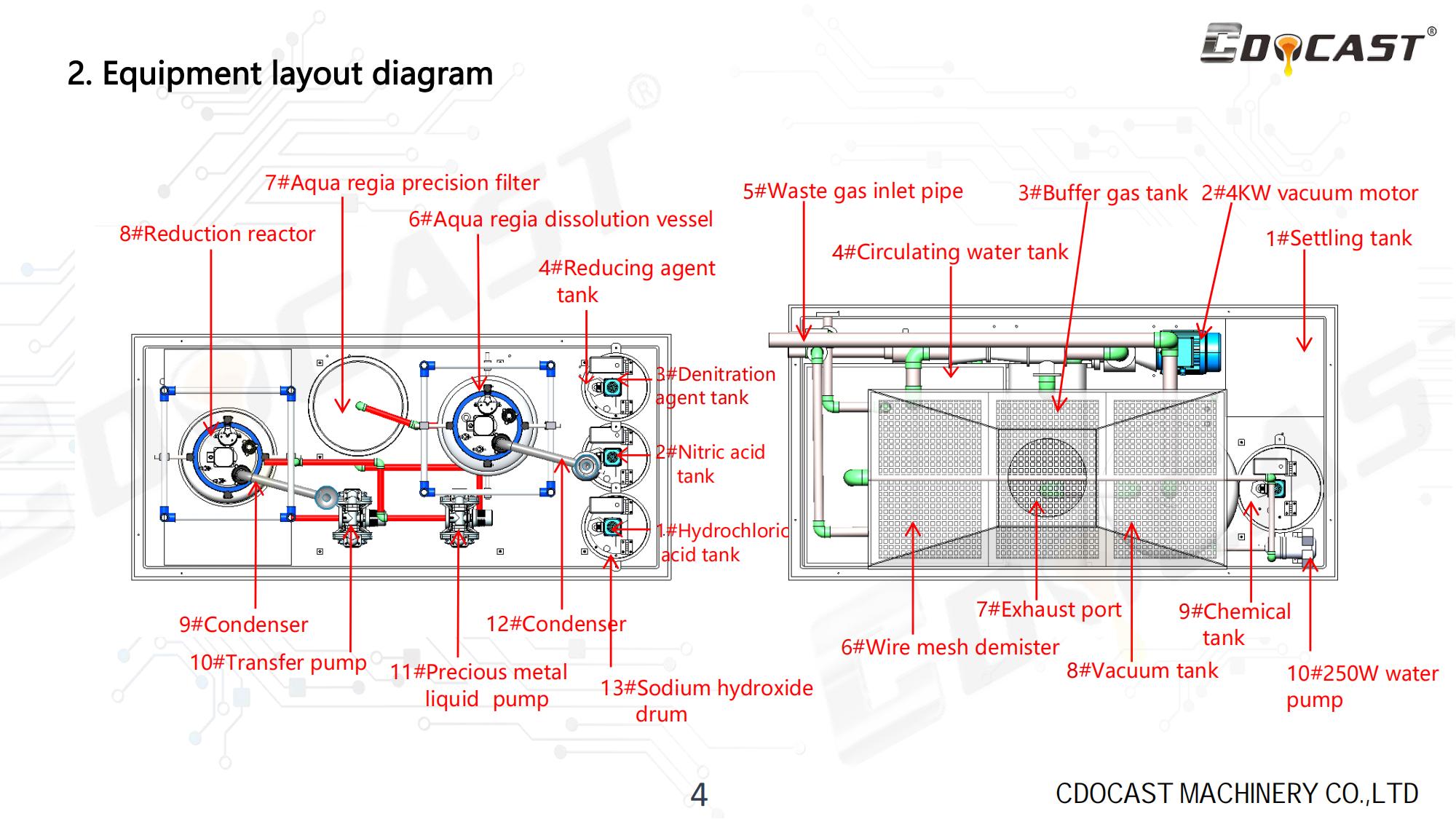
Aqua regia refining Layout Diagram( Can be Customized)Application

Aqua Regia Refining Equipment

Feature

1.High Efficiency – Effectively dissolves gold, platinum, and palladium, even in small quantities.

2.Versatility – Suitable for refining scrap jewelry, electronic waste, and industrial catalysts.

3.Precision – Allows selective precipitation of pure metals (e.g., gold can be isolated using reducing agents like sodium metabisulfite).

4.Cost-Effective – Lower initial setup cost compared to electrolytic systems.

Categories
Precious Metal Refining Machine

Precious Metal Electrolytic Refining Equipment

Silver Electrolysis · 5–200 kg per 24 Hours

Precious Metal Electrolytic Refining Equipment

CDOCAST supplies silver electrolysis machines and turnkey precious metal electrolytic refining equipment for laboratory, jewelry-factory and industrial refinery projects. Select the system by feed purity, daily throughput, electrolyte route, available utilities and required downstream casting process.

silver electrolytic refining equipment with refined silver crystal and final silver products
5–200 kg/24hStandard capacity range
≥99.99%Target final purity
300 W–24 kWStandard model power range
6 OptionsIncluding a 30 kg project configuration
Working Principle

What Is a Silver Electrolysis Refining Machine?

A silver electrolysis refining machine uses controlled direct current to dissolve prepared crude-silver anodes and deposit higher-purity silver at the cathode. Less-soluble precious-metal impurities collect in the anode residue for separate recovery, while soluble impurities remain under controlled electrolyte conditions.

The equipment is more than an electrolytic tank. A practical refinery project normally includes a DC rectifier, corrosion-resistant cells, cathode and anode assemblies, electrolyte circulation, temperature control, filtration, silver-crystal collection, washing, drying and final melting or casting equipment.

Feedstock check: the standard table specifies input purity above 75% and target final purity of at least 99.99%. Actual results depend on assay, impurity profile, anode preparation, electrolyte chemistry, current density, temperature and operating control.
industrial silver electrolysis refining machine with multiple electrolytic cells

Silver Electrolytic Refining Process

A stable 24-hour output requires correct anode preparation, electrical control, electrolyte circulation and downstream silver handling.

STEP 01Assay and Feed Preparation

Confirm silver content and impurities before selecting the process route.

STEP 02Anode Preparation

Cast or prepare the feed in the approved anode or basket format.

STEP 03Controlled Electrolysis

Regulate DC voltage, current, electrolyte temperature and circulation.

STEP 04Collect and Wash Silver

Separate crystal or powder, recover solution and wash correctly.

STEP 05Dry, Melt and Cast

Dry the refined silver before melting into grain, bars or anodes.

Silver Electrolysis Machine Capacity Options

Six purchasing options cover laboratory, workshop and industrial silver refinery projects. Confirm daily capacity as kg per 24 hours, not as tank volume.

CDO-SE5 5kg silver electrolysis refining machine
Laboratory · CDO-SE5

5 kg/24h Silver Electrolysis System

A compact 220V single-phase system for laboratories, small precious-metal workshops, process trials and lower-volume silver purification.

300 W1–3 V DC0–70 A30 kg machine
Watch 5 kg Demonstration
CDO-SE10 10kg silver electrolysis refinery equipment
Workshop · CDO-SE10

10 kg/24h Silver Refinery Machine

A workshop-scale 220V option for jewelry factories and recyclers that require repeatable daily refining without installing a large industrial line.

500 W1–3 V DC0–100 A75 kg machine
Watch 10 kg Operation
30kg precious metal electrolytic refining equipment project configuration
New Project Option · 30 kg

30 kg/24h Electrolytic Refining Equipment

A mid-capacity configuration between the 10 kg workshop unit and the CDO-SE50 industrial system. Tank quantity, rectifier, circulation, dimensions and utility demand are confirmed according to the customer’s assay and operating plan.

30 kg/24h targetProject-specific configuration
Confirm the 30 kg Configuration
CDO-SE50 50kg silver electrolysis refinery machine
Industrial · CDO-SE50

50 kg/24h Silver Electrolysis Plant

A three-phase industrial system for precious-metal refineries requiring higher current, larger cells and coordinated electrolyte circulation and recovery equipment.

12 kW1–12 V DC0–900 A336 kg machine
View Confirmed Parameters
CDO-SE100 100kg industrial silver electrolytic refining plant
High Output · CDO-SE100

100 kg/24h Precious Metal Refining Plant

A larger automated refinery layout for stable industrial feedstock, with 18 kW power, high-current electrolysis and space for circulation, collection and downstream handling.

18 kW1–18 V DC0–1000 A700 kg machine
Watch 100 kg Plant
CDO-SE200 200kg high-capacity silver refinery equipment with multiple electrolysis tanks
High Capacity · CDO-SE200

200 kg/24h Silver Refinery Equipment

A high-capacity three-phase project for bullion refineries, mining processors and centralized precious-metal recycling plants with planned material flow and environmental controls.

24 kW1–18 V DC0–1000 A800 kg machine
Watch 200 kg System

CDO-SE Electrolytic Refining Equipment Parameters

Verified from the supplied CDO-SE specification sheet. The 30 kg option is a project configuration and is therefore not assigned unconfirmed electrical or dimensional data.

Standard CDO-SE model specifications
SpecificationCDO-SE5CDO-SE10CDO-SE50CDO-SE100CDO-SE200
Capacity5 kg/24h10 kg/24h50 kg/24h100 kg/24h200 kg/24h
Power300 W500 W12 kW18 kW24 kW
Electrolysis operating voltage1–3 V1–3 V1–12 V1–18 V1–18 V
Electrolysis current0–70 A0–100 A0–900 A0–1000 A0–1000 A
Input purity>75%
Target final purity≥99.99%
Facility power supply220 V, single phase, 50/60 Hz220 V, single phase, 50/60 Hz380 V, 3 phase, 50/60 Hz380 V, 3 phase, 50/60 Hz380 V, 3 phase, 50/60 Hz
Dimensions (L × W × H)500 × 310 × 650 mm643 × 465 × 875 mm2100 × 1800 × 1600 mm4850 × 1350 × 1110 mm5800 × 1350 × 1100 mm
Machine weight30 kg75 kg336 kg700 kg800 kg
Important: capacity is stated per 24-hour operating cycle. Final throughput and purity must be confirmed through raw-material assay, impurity analysis and process testing. Local electrical, ventilation, chemical-storage and wastewater requirements must be reviewed before installation.

Complete Silver Refinery Line Components

Confirm what is included in the quotation instead of comparing only the electrolytic tank or rated daily capacity.

Electrolytic Cells and Electrodes

Corrosion-resistant tanks, anode positioning, cathode plates and conductive busbars sized for the selected system.

DC Rectifier and Controls

Regulated low-voltage, high-current power for stable electrolysis and operator monitoring.

Electrolyte Circulation

Pumps, circulation tanks, piping, temperature management and filtration selected for the chemistry.

Silver Collection and Washing

Crystal or powder collection, solid-liquid separation and controlled washing to recover entrained electrolyte.

Drying, Melting and Casting

Drying equipment and a correctly sized metal melting furnace prepare refined silver for grain, anodes or bars.

Fume and Wastewater Planning

Acid-mist extraction, solution recovery and compliant wastewater treatment must match the local installation requirements.

Information Required Before Quotation

These project inputs help determine whether a 5, 10, 30, 50, 100 or 200 kg/24h silver electrolysis machine is appropriate.

Raw material and assaySilver content, gold/PGM content, copper and other impurity levels, and available assay report.
Daily production targetRequired kg per 24 hours, operating shifts, expected feed consistency and expansion plan.
Feed and final product formAnode plate, granule or approved feed format; required silver crystal, powder, grain or bar output.
Workshop utilitiesVoltage, frequency, cooling, water supply, drainage, ventilation, floor space and installation access.
Scope of supplyElectrolysis only or a turnkey line including filtration, washing, drying, melting, casting and environmental treatment.
Local complianceChemical handling, emissions, wastewater, electrical protection, operator PPE and site-specific safety requirements.

Download the Electrolytic Refining Equipment Catalog

Review the refining route, equipment structure and project information before requesting a final configuration.

Download Product Catalog

Technical Guides for Refinery Planning

Use these supporting guides to evaluate process route, feedstock requirements, metal recovery and downstream production.

Precious Metal Electrolytic Refining Equipment FAQ

Clear answers about capacity, purity, 30 kg configuration, feedstock and complete refinery-line planning.

Is a 30 kg/24h silver electrolysis machine available?

Yes. CDOCAST can configure a 30 kg/24h project between the standard CDO-SE10 and CDO-SE50 systems. Because the supplied standard parameter sheet does not list a separate CDO-SE30 column, its rectifier, current, tank quantity, dimensions and utilities must be confirmed in the technical proposal rather than copied from another model.

What capacities are available for silver electrolytic refining?

Standard verified CDO-SE capacities are 5, 10, 50, 100 and 200 kg per 24 hours. A 30 kg/24h project configuration is also available. Select capacity by actual feed assay, daily throughput, operating hours and downstream silver handling.

Can the equipment produce 99.99% silver?

The supplied specification lists a target final purity of at least 99.99% from feed above 75%. This is a process target, not an unconditional guarantee: assay, impurity profile, anode quality, electrolyte chemistry, current density, temperature, contamination control and operating discipline all affect the result.

Can low-grade mixed scrap be fed directly into the electrolytic cells?

Not always. Complex or low-grade material may require melting, sampling and chemical pretreatment before electrolysis. CDOCAST should review an assay report before recommending electrolytic refining or an aqua regia pretreatment route.

What equipment is required in addition to the electrolysis tank?

A practical line may require a DC rectifier, circulation and filtration, cooling or temperature control, cathode collection, washing, drying, melting, casting, acid-mist extraction and wastewater treatment. Confirm the exact scope in the quotation.

What information is needed to select the correct model?

Provide the raw material, assay, impurity profile, required kg per 24 hours, target purity, product form, voltage, workshop dimensions, ventilation and wastewater conditions, and whether you need electrolysis equipment only or a turnkey refinery line.

Confirm Your Silver Electrolysis Refinery Configuration

Send your assay, daily capacity, required final product, voltage and workshop plan. CDOCAST will match the electrolytic cells, rectifier, circulation, filtration and downstream equipment.

Contact CDOCAST

Parameter

ModelCDO-SE5CDO-SE10CDO-SE50CDO-SE100
Capacity5kg/24h10kg/24h50kg/24h100kg/24h
Voltage220V,Single Phase,
50/60Hz
220V,Single Phase,
50/60Hz
380V,3-phase,50/60Hz380V,3-phase,50/60Hz
Input Current2A3A22A32A
Electrolysis Voltage1~3V1~3V1~12V1~18V
Electrolysis Current0~70A0~100A0~900A0~1000A
Input Purity>75%>75%>75%>75%
Final Purity≥99.99%≥99.99%≥99.99%≥99.99%
Dimension(mm)500*310*650643*465*8752100*1800*16004850*1350*1110
Weight(KG)3075336700

Feature

1.High Purity – Produces metals up to 99.99% purity (e.g., silver and gold electrolysis).

2.Scalability – Ideal for large-scale operations (e.g., industrial gold/silver refining).

3.Less Chemical Waste – Reduces reliance on acids like aqua regia, minimizing environmental impact.

4.Automation-Friendly – Continuous processing with minimal manual intervention.

Technology Guidance

1.High Purity – Produces metals up to 99.99% purity (e.g., silver and gold electrolysis).

2.Scalability – Ideal for large-scale operations (e.g., industrial gold/silver refining).

3.Less Chemical Waste – Reduces reliance on acids like aqua regia, minimizing environmental impact.

4.Automation-Friendly – Continuous processing with minimal manual intervention.


CDOCAST / PRODUCT BROCHURE

Silver Electrolytic Refining Equipment

Explore equipment specifications, configurations and applications.

English PDF · 9.0 MB

Categories
Metal Forming Machine

Wire Drawing Machine

Gold · Silver · Copper · Single-Die and Multi-Die Systems

Wire Drawing Machine for Precious Metal Wire Production

CDOCAST supplies single-die, 8-die, 12-die, one-way, two-way and horizontal numerical-control wire drawing machines. The complete series covers fine wire production down to the listed 0.2 mm range and larger incoming wire up to 12 mm.

CDOCAST 12 die wire drawing machine for fine gold silver and copper wire
0.2 mmSmallest listed wire size
1–12 DiesAvailable die configurations
≤12 mmLargest listed incoming wire size
89 m/minListed speed of the 12-die model

What Is a Wire Drawing Machine?

A wire drawing machine pulls metal wire through one or more progressively smaller dies. Each pass reduces the cross-sectional area and increases the wire length, producing controlled diameters for jewelry chain, findings, electrical parts, brazing wire and other precision products.

For gold and silver wire drawing, the machine is only one part of the process. The incoming rod must be suitable for the first die, the die sequence must avoid excessive reduction, and the alloy may require intermediate annealing as work hardening increases. Lubrication, cooling, take-up control and correct die alignment help protect the surface and stabilize the finished size.

  • Single-die machines offer flexible pass-by-pass production and simpler die changes.
  • Multi-die machines combine progressive reductions for fine wire and repeat production.
  • One-way, two-way and horizontal systems cover different incoming sizes, coils and drawing routes.
wire drawing machine structure showing pay off wheel cone pulley coolant nozzle and take up wheel
Typical wire path from pay-off through the drawing section to controlled take-up.

Wire Drawing Machine Configurations

All models belong to one CDOCAST wire drawing machine series. Model suffixes identify the structure: H for horizontal, O for one-way and T for two-way.

CDO-WD1 single die gold silver and copper wire drawing machine
01

CDO-WD1 Single-Die Wire Drawing Machine

A flexible pass-by-pass model for frequent diameter changes, shorter batches and direct operator control over each drawing reduction.

Die1 die
Wire range2.2–0.2 mm
Speed0–50 m/min
CDO-WD-H8 horizontal numerical control wire drawing machine with touch screen
02

CDO-WD-H8 Horizontal Numerical Control Wire Drawing Machine

Horizontal drawing configuration for wire up to 8 mm, with an 86×86 stepper motor and controller plus a PP magnetic pump for the cooling circuit.

Wire size≤8 mm
Main motor5.5 kW
Weight900 kg
CDO-WD-O2 2 mm one way wire drawing machine
03

CDO-WD-O2 2 mm One-Way Wire Drawing Machine

The one-way model handles wire up to 2 mm and uses a chrome-plated 45# steel take-up reel hardened to HRC 60–62.

Wire size≤2 mm
Speed32 m/min
Main motor5.5 kW
CDO-WD-T4 4 mm two way wire drawing machine
04

CDO-WD-T4 4 mm Two-Way Wire Drawing Machine

The two-way configuration handles wire up to 4 mm with hardened chrome-plated 45# steel take-up reels.

Wire size≤4 mm
Speed21 m/min
Main motor3 kW
CDO-WD-T8 8 mm two way wire drawing machine
05

CDO-WD-T8 8 mm Two-Way Wire Drawing Machine

A larger two-way configuration for wire up to 8 mm, with HRC 60–62 chrome-plated 45# steel take-up reels.

Wire size≤8 mm
Speed32 m/min
Main motor5.5 kW
CDO-WD-T12 12 mm two way heavy duty wire drawing machine
06

CDO-WD-T12 12 mm Two-Way Wire Drawing Machine

The largest listed two-way model handles wire up to 12 mm with an 11 kW motor and a published drawing speed of 20 m/min.

Wire size≤12 mm
Speed20 m/min
Main motor11 kW
CDO-WD8 eight die wire drawing machine
07

CDO-WD8 Eight-Die Wire Drawing Machine

Eight progressive die positions support repeat production where several reductions are needed between the prepared wire and finished fine wire.

Dies8 dies
Wire range2.2–0.2 mm
Speed0–50 m/min
CDO-WD12 twelve die wire drawing machine for the listed 1.5 to 0.2 mm wire range
08

CDO-WD12 Twelve-Die Wire Drawing Machine

A progressive 12-die machine with a listed 1.5–0.2 mm wire-size range, 89 m/min drawing speed and Cr12MoV drawing cones at HRC 60–62.

Dies12 dies
Wire range1.5–0.2 mm
Speed89 m/min

Wire Drawing Machine Parameters

All models are compared in one table. A dash means the value is not stated in the available published specification.

CDOCAST wire drawing machine series comparison
ModelSize (L×W×H)WeightMotorVoltageWire rangeDrawing speedDrawing / take-up system
CDO-WD1 Single-Die650×550×1000 mm150 kg4 kW3 phase 380 V, 50/60 Hz2.2–0.2 mm0–50 m/min1 die; automatic liquid cooling
CDO-WD-H8 Horizontal Numerical Control1200×1400×1370 mm900 kg5.5 kW3 phase 380 V≤8 mm—86×86 stepper motor; PP magnetic cooling pump
CDO-WD-O2 One-Way1500×750×1260 mm600 kg5.5 kW3 phase 380 V≤2 mm32 m/min45# steel chrome-plated reel; HRC 60–62
CDO-WD-T4 Two-Way1700×750×1260 mm700 kg3 kW3 phase 380 V≤4 mm21 m/min45# steel chrome-plated reels; HRC 60–62
CDO-WD-T8 Two-Way1900×800×1400 mm900 kg5.5 kW3 phase 380 V≤8 mm32 m/min45# steel chrome-plated reels; HRC 60–62
CDO-WD-T12 Two-Way1900×1520×1340 mm2000 kg11 kW3 phase 380 V≤12 mm20 m/min45# steel chrome-plated reels; HRC 60–62
CDO-WD8 Eight-Die1300×740×1370 mm420 kg4 kW3 phase 380 V, 50/60 Hz2.2–0.2 mm0–50 m/min8 dies; automatic liquid cooling
CDO-WD12 Twelve-Die1700×780×1360 mm550 kg4 kW3 phase 380 V1.5–0.2 mm89 m/min12 dies; Cr12MoV drawing cones; HRC 60–62

“One-way” and “two-way” identify the published machine structures. Confirm the required wire path, die schedule, pay-off and take-up arrangement before ordering.

Gold and Silver Wire Drawing Process

A stable result depends on a complete reduction plan, not only the machine's maximum diameter or speed.

Prepare the Rod

Roll or cast the feedstock to a suitable, clean and dimensionally consistent starting diameter.

Point the Wire End

Reduce the leading end so it can pass through the first die and be gripped by the take-up system.

Draw with Lubrication

Use the approved die sequence, drawing lubricant, cooling flow and speed for the selected alloy.

Anneal When Required

Restore ductility between reductions when work hardening would otherwise cause cracking or excessive drawing force.

Measure and Recoil

Verify diameter, surface, roundness and coil condition before the next pass or downstream production.

How to Select a Wire Drawing Machine

Different structures solve different production problems; the highest die count is not automatically the best choice.

wire drawing machine with pay off and take up system
Single Die for Flexible Pass-by-Pass WorkSuitable when batch sizes are smaller, alloy and diameter change frequently, or the operator needs direct control of each reduction.
Eight or Twelve Dies for Progressive Fine WireBetter suited to repeat production where several progressive reductions are required to reach fine wire sizes.
One-Way or Two-Way for Larger Incoming WireSelect the ≤2, ≤4, ≤8 or ≤12 mm class according to actual feed diameter, coil weight, pass schedule and required speed.
Horizontal Numerical Control DrawingSuitable when a horizontal layout, stepper-controlled positioning and wire sizes up to the listed 8 mm are required.

Information Needed for a Wire Drawing Machine Quotation

These details allow the manufacturer to check the drawing route instead of recommending a machine from wire diameter alone.

Metal and AlloyState fine gold, K-gold, silver, copper, brass or another alloy, including hardness or annealed condition where known.
Input and Final DiameterProvide the actual incoming rod diameter, required finished wire diameter and dimensional tolerance.
Pass ScheduleShare intermediate diameters or request a recommended die sequence based on alloy and total reduction.
Production OutputState kilograms per shift, coil weight, batch length and whether production is intermittent or continuous.
Finished Wire RequirementsSpecify roundness, surface finish, straightness, hardness and any downstream chain, welding or forming process.
Factory ConditionsConfirm voltage, frequency, available floor area, cooling arrangement and preferred pay-off and take-up direction.

Related Wire Production Equipment and Guides

Internal links connect the drawing machine with upstream sizing, end preparation and intermediate heat treatment.

Wire Drawing Machine FAQ

Practical purchasing questions for gold, silver, copper and jewelry wire manufacturers.

What metals can a CDOCAST wire drawing machine process?

The published applications include gold, silver and copper wire. Compatible alloys may also be processed, but die material, lubrication, reduction per pass, speed and annealing schedule should be selected for the actual alloy rather than assumed from the base metal.

What is the smallest listed wire size?

CDO-WD1 and CDO-WD8 list a 2.2–0.2 mm range, while the 12-die model lists a 1.5–0.2 mm range. Achieving stable 0.2 mm wire depends on correct feed preparation, die sequence, wire condition, lubrication and operator setup.

Should I choose a single-die or multi-die wire drawing machine?

Choose a single-die machine for flexible pass-by-pass work, frequent product changes and smaller batches. Choose an 8- or 12-die machine when repeat production requires several progressive reductions and a more integrated wire path.

What is the difference between wire drawing and wire rolling?

Wire drawing pulls material through a die to reduce and size it. Wire rolling compresses material between rolls and is often used upstream to prepare rod or shaped wire before the final drawing passes.

Why is annealing needed between wire drawing passes?

Cold drawing work-hardens many gold, silver, copper and alloy wires. Intermediate annealing restores ductility when the accumulated reduction would otherwise increase force, damage the surface or cause cracking. The required interval depends on the alloy and pass schedule.

Which machine is suitable for larger incoming wire?

The series includes one-way and two-way configurations for incoming wire up to 2, 4, 8 and 12 mm, plus a horizontal numerical-control configuration up to 8 mm. Selection also depends on coil weight, target output, required speed and reduction plan.

What information is required for a wire drawing machine price?

Provide the metal and alloy, incoming and final diameter, intermediate pass sizes if available, finished tolerance, coil weight, target output, annealing plan, factory voltage and preferred pay-off and take-up arrangement.

Need the Right Wire Drawing Route for Your Alloy?

Send CDOCAST your input diameter, final wire size, alloy, coil weight and output target for suitable die, drawing and take-up configuration selection.

Request a Wire Drawing Machine Quotation
Categories
Precious Metal Casting Machines

Vacuum Gold Bar Making Machine

CDO-F Series · Bullion Casting Equipment

Vacuum Gold Bar Making Machine for 1 kg to 30 kg Bullion

CDOCAST vacuum gold bar making machines combine induction heating, a controlled vacuum chamber, inert-gas protection and a matched graphite mold. Six configurations support compact 1 kg gold bars, multi-bar production and heavy ingots. For 1000 oz silver bars (1000 troy oz, approximately 31.103 kg), confirm the actual silver charge capacity, graphite mold and chamber dimensions before quotation.

This is the core casting machine in a complete gold and silver bar production line. A practical line may also require a correctly sized water chiller, metal granulator, hydraulic logo stamping press, custom dies and a dot peen marking machine for variable serial numbers.

CDOCAST vacuum gold bar making machine for gold and silver bullion casting Watch Vacuum Gold Bar Casting YouTube ↗
1–30 kgmachine capacity range
6 modelsCDO-F1 to CDO-F30
Gold & silverbullion bar applications
Vacuum + gascontrolled casting environment
Start with the finished bar, not only the machine capacity. Confirm the metal, exact bar weight and dimensions, pieces per cycle, required surface, daily output and logo or serial-number method. CDOCAST can then match the casting machine, graphite mold, cooling capacity and downstream marking equipment as one system.
Machine Selection

Choose the Vacuum Gold and Silver Bar Casting Machine

The same nominal capacity can be arranged as one larger bar or several smaller bars only when the chamber and custom graphite mold support that layout.

CDO-F1 1kg vacuum gold bar casting machine
Compact Automatic-Lid Model

CDO-F1 · 1 kg

For small bullion workshops, jewelry factories and assay operations producing 1 kg gold bars or trial batches. Compact chamber and convenient mold handling.

25 kW1 × 1 kgsmall footprint
Watch CDO-F1 video →
CDO-F2 2kg vacuum gold and silver bar casting machine
Flexible Mid-Capacity Model

CDO-F2 · 2 kg

A cost-balanced choice for one 2 kg bar or a supported two-cavity 1 kg layout. Suitable for bullion dealers, recycling shops and smaller refineries.

35 kW2 × 1 kggold or silver
Watch CDO-F2 video →
CDO-F4 four cavity vacuum gold and silver bar casting machine
Recommended for Regular Silver Production

CDO-F4 · 4 kg

Designed for higher output than compact machines. It can be configured for four 1 kg bars and is often the practical starting point for regular silver bullion production.

45 kW4 × 1 kgmulti-cavity mold
Watch CDO-F4 video →
CDO-F8 eight bar vacuum gold silver bar casting machine
Higher-Output Multi-Bar Model

CDO-F8 · 8 kg

For refineries and bullion factories that need eight supported bar cavities in one cycle and want to reduce repeated loading, heating and cooling operations.

75 kW8 × 1 kghigher throughput
Watch CDO-F8 video →
CDO-F12 12.5kg vacuum bullion ingot casting machine
Heavy Standard-Ingot Model

CDO-F12 · 12.5 kg

For 12.5 kg gold or silver ingots. Heavy mold operation should be quoted together with the correct graphite mold, mold frame and suitable lifting or handling method.

75 kW1 × 12.5 kghandling system
Watch CDO-F12 video →
CDO-F30 nominal 30 kg heavy silver bullion casting machine
Heavy Silver Bullion Configuration

CDO-F30 · 30 kg

For heavy silver bullion with a nominal 30 kg capacity. A 1000 oz silver bar requires approximately 31.103 kg of silver; confirm the actual charge capacity, mold assembly and chamber dimensions for this requirement before quotation. Include the cooling load and safe mold-transfer equipment in the proposal.

90 kW1 × 30 kgheavy mold lifting
Watch CDO-F30 video →
Technical Data

Vacuum Gold Bar Making Machine Parameters

Use this table for model comparison. Final mold arrangement and actual cycle must be confirmed against the customer's finished bar.

CDO-F series vacuum bullion casting machine specifications
ModelPower supplyPowerStandard gold layoutApprox. meltingApprox. coolingMachine size (mm)
CDO-F13 phase, 380 V25 kW1 × 1 kg5–7 min6–7 min950 × 750 × 1070
CDO-F23 phase, 380 V35 kW2 × 1 kg6–8 min7–8 min1100 × 880 × 1100
CDO-F43 phase, 380 V45 kW4 × 1 kg7–8 min7–10 min1520 × 900 × 1080
CDO-F83 phase, 380 V75 kW8 × 1 kg11–15 min12–16 min1530 × 650 × 980
CDO-F123 phase, 380 V75 kW1 × 12.5 kg10–14 min11–15 min1680 × 780 × 1120
CDO-F303 phase, 380 V90 kW1 × 30 kg15–17 min14–16 min1700 × 960 × 1600

Cycle time is an estimate, not guaranteed output. It changes with metal type and purity, starting temperature, bar thickness, graphite mold design, chamber settings, cooling-water temperature and chiller performance. Power supply can be engineered for the destination where technically available; confirm voltage, phase and frequency before ordering.

Complete Production Route

From Refined Metal to Numbered Bullion Bar

This workflow shows where the main machine and each supporting machine are used.

Prepare the feed

Use clean refined metal. A granulator is useful when large material must be converted into uniform, easy-to-weigh grains.

Weigh each charge

Weigh material for the required finished bar and loading allowance according to the approved production procedure.

Load the graphite mold

Use a custom mold matching the confirmed bar weight, length, width, thickness and cavity layout.

Vacuum and protect

The chamber is evacuated and the approved inert-gas settings are used to control the casting environment.

Induction melt

The metal is melted inside the matched mold rather than manually poured from an open crucible.

Controlled cooling

The water chiller maintains the required cooling-water conditions for the induction system and casting cycle.

Stamp fixed information

A hydraulic press and custom die apply the brand logo, purity, weight or other repeatable deep marks.

Add serial numbers

A dot peen marking machine adds changing serial numbers, batch codes or traceability characters after casting.

Casting Technical Guidance

How to Produce a Bright, Smooth Gold or Silver Bar Surface

A vacuum gold bar casting machine provides the controlled environment, but the final mirror-like surface also depends on the material, graphite mold, vacuum integrity, heating profile and cooling conditions.

A bright bullion surface is a process result, not a machine-only promise. Vacuum casting reduces air exposure and oxidation, but it does not refine contaminated metal or automatically correct an unsuitable mold, a leaking vacuum system or unstable cooling water.
1. Start with clean, refined metal

Purity, alloy composition, moisture, flux residue and contamination can all change color and surface reflection. Confirm the feed material before changing machine parameters.

2. Use the correct graphite mold

Match the cavity to the bar dimensions and use dense, clean and dry graphite. Inspect the mold for oxidation, powder shedding, cracks or residue before loading valuable metal.

3. Control mold preheating

Preheat according to the approved process so the mold is not too cold or overheated. Excessive heating accelerates graphite oxidation, while unstable mold temperature can affect solidification.

4. Verify vacuum and inert gas

Check chamber seals, vacuum lines, pump condition and the specified argon or nitrogen program. Pinholes and oxidation marks should be diagnosed before simply increasing heating time.

5. Stabilize melting and cooling

Set melting and cooling time for the metal, bar thickness and mold layout. A correctly sized water chiller helps keep cooling-water temperature and flow consistent from batch to batch.

6. Diagnose the actual defect

Dull film, graphite adhesion, ripple marks, shrinkage and pinholes have different causes. Record the material batch, mold condition, vacuum value and cycle settings before making one controlled adjustment.

Supporting Equipment

What Else Is Needed for a Practical Gold Bar Production Line?

“Required” means the production utility or tooling is necessary. “Recommended option” depends on the customer's incoming material and marking requirement.

industrial water chiller for vacuum gold bar making machine
Required Cooling Utility

Matched Water Chiller

Provides stable circulating water for the induction power system and casting process. Chiller capacity must be matched to the selected CDO-F model, ambient temperature, water flow, inlet temperature and operating hours—not selected only by appearance or tank size.

View water chiller →
custom graphite mold for gold and silver bullion bar casting
Required Custom Tooling

Custom Graphite Bar Mold

The graphite mold determines the finished bar cavity, dimensions and number of bars per cycle. CDOCAST can machine molds for gold and silver bars according to the customer's required weight and drawing. Before production, confirm the bar length, width, thickness, side taper, corner radius, top and bottom shape, cavity quantity and any handling structure required by the selected CDO-F machine.

View custom graphite molds →
metal granulator for preparing gold and silver grains before bar casting
Recommended Upstream Option

Gold and Silver Granulator

Converts refined metal into smaller grains that are easier to weigh and distribute inside the graphite mold. It is especially useful when the incoming material is a large block, irregular scrap or when repeatable charge preparation matters. It does not replace refining or purity control.

Compare metal granulators →
hydraulic logo stamping press for gold and silver bullion bars
Recommended Downstream Option

Hydraulic Logo Stamping Press

Uses controlled pressing force and a custom positioning die to apply repeatable information such as the refinery logo, purity and nominal weight. Press tonnage and die structure should be selected from the bar footprint, metal, mark depth and production frequency.

Choose a logo stamping press →
dot peen serial number marking on a cast gold bar
Traceability Option

Dot Peen Marking Machine

A computer-controlled marking pin creates permanent dot-matrix characters on the bar surface. It is the practical choice for information that changes on every bar, such as serial numbers, batch codes and production identifiers. Confirm marking area, character height, depth and whether compressed air is available.

See the complete bar-making process →
Do Not Confuse the Two

Hydraulic Logo Stamping vs Dot Peen Serial Number Marking

Professional bullion producers commonly use both because the information and marking method are different.

Hydraulic Press + Custom Die

Best for fixed information and a stronger pressed impression.

  • Brand or refinery logo
  • Purity mark such as 999.9
  • Nominal weight such as 1 kg
  • Repeatable layout and deeper embossing
  • Requires a matched die and bar-positioning fixture

Dot Peen Marking Machine

Best for variable information that changes from bar to bar.

  • Unique serial number
  • Batch or production code
  • Date or traceability characters
  • Computer-entered alphanumeric content
  • Requires confirmation of marking depth and air supply
Practical Purchase Packages

Choose a Gold Bar Making Machine Package by Production Goal

These are purchasing frameworks. The final bill of materials is confirmed after reviewing the finished bar drawing and workshop utilities.

Starter Bullion Workshop

1–2 kg Flexible Line

For small batches, custom bullion and moderate daily output.

  • CDO-F1 or CDO-F2 casting machine
  • Matched water chiller
  • Custom graphite mold and mold clamp
  • 100-ton compact logo stamping press
  • Dot peen serial number marker
  • Granulator if feed material is irregular
Heavy Ingot Production

12.5–30 kg Bullion Line

For heavy ingot production. For 1000 oz silver bars (approximately 31.103 kg), confirm the actual silver charge capacity, mold and chamber dimensions before selecting and quoting the configuration.

  • CDO-F12 or CDO-F30 casting machine
  • High-duty matched cooling system
  • Approved heavy graphite mold
  • Mold frame and lifting equipment
  • Press and die selected from bar area
  • Workshop layout and safe-handling review
Quotation Checklist

Information Needed for an Accurate Vacuum Gold Bar Machine Quote

A clear inquiry reduces repeated emails and prevents the wrong mold, chiller or marking system from being quoted.

Send the Finished Bar Requirements

Metal and purityGold, silver or other metal; pure metal or alloy.
Bar weight1 oz, 100 g, 500 g, 1 kg, 12.5 kg, 1000 oz or custom.
Exact dimensionsLength × width × thickness, preferably with drawing or sample photos.
Output targetBars per cycle, shifts per day and expected daily quantity.
Surface standardCast-bar appearance, acceptable marks and inspection method.
Marking contentFixed logo/purity/weight plus variable serial-number format.

Confirm Workshop Conditions

  • Available voltage, phase and frequency.
  • Maximum ambient temperature and working hours per day.
  • Argon or nitrogen source and local gas connection standard.
  • Compressed-air availability for the dot peen marker and any pneumatic functions.
  • Door, aisle and floor access for delivery and heavy-mold handling.
  • Whether the customer already owns a suitable chiller, granulator or hydraulic press.

Important: If an existing chiller will be reused, send its cooling capacity, water flow, pump pressure, tank volume and operating temperature—not only its model name.

Technical Reading

Learn More Before Choosing a Vacuum Bar Machine

These short guides help buyers understand the product type, expected bar surface, mold relationship and downstream process before confirming a machine.

Purchase Questions

Vacuum Gold Bar Making Machine FAQ

Do I need a metal granulator before the vacuum gold bar casting machine?
Not in every project. If the refinery already receives clean, small and easy-to-weigh feed, it may load that material directly according to the approved process. A granulator is recommended when incoming material is bulky or irregular, when more convenient weighing is needed, or when uniform mold loading improves production control.
Is the water chiller optional?
Stable water cooling is a machine operating requirement. A customer may use an existing chiller only if its cooling capacity, water flow, pump pressure, inlet-water temperature and duty cycle match the selected casting machine. CDOCAST should verify these values before the order is finalized.
Can one machine make several different gold bar sizes?
Often yes, within the machine chamber, capacity and supported mold limits. Each bar size or cavity arrangement normally requires a matching graphite mold. Send the exact bar dimensions and pieces per cycle so the chamber and mold layout can be checked before quotation.
What information is needed to customize the graphite mold?
Send the metal type, target bar weight, exact finished length, width and thickness, side taper, corner radius, top and bottom profile, acceptable dimensional tolerance and the required number of cavities per cycle. A drawing or physical sample is preferable. CDOCAST will also check that the mold's external dimensions, heating position and handling method match the selected vacuum gold bar making machine.
Why use both a hydraulic stamping press and a dot peen marking machine?
The hydraulic press is suited to repeatable fixed information such as the brand logo, purity and nominal weight. The dot peen marker is suited to variable information such as a unique serial number or batch code. Using both creates a clearer and more flexible bullion identification workflow.
Can the same equipment make silver bars and gold bars?
The CDO-F series supports gold and silver applications, but capacity, mold design, heating settings, cooling time and production output differ by metal and bar geometry. Silver producers often select CDO-F4 or a larger model when higher batch output is required.
How can I produce a bright, mirror-like gold or silver bar surface?
Use clean and appropriately refined feed material, a dense and correctly sized graphite mold, controlled mold preheating, a leak-free vacuum system, the approved inert-gas program and stable cooling water. Melting and cooling settings must match the metal, bar thickness and mold layout. If the surface is dull, porous or covered with graphite residue, diagnose the specific defect instead of changing several parameters at once.
What must be customized for a 12.5 kg or 1000 oz bar?
At minimum, confirm the finished bar drawing, graphite mold, casting settings, chiller load and marking method. Heavy bars also require a review of mold frames, lifting devices, transfer routes and operator handling. A heavy-ingot quote should therefore cover more than the casting machine alone.

How to Choose a Vacuum Gold and Silver Bar Casting Machine

Start with the bars you need to produce: the metal and purity, finished weight, dimensions, bars per batch and daily output. These requirements determine the machine configuration and graphite mold layout. Select a CDO-F model against the agreed production requirement, rather than its nominal capacity alone.

Match the mold to the finished bar

Provide a drawing showing length, width, thickness, taper, corner details and any cast-in features. Confirm the number of cavities and the total metal charge per batch. Gold and silver have different densities, so the same cavity does not produce the same bar weight in both metals. Each metal and bar design needs its own capacity and mold check.

For multi-cavity production, confirm that the complete mold assembly fits the chamber and that the heating and cooling arrangement suits the proposed layout. Use a trial bar to agree the final dimensions, weight tolerance and surface appearance before approving the mold.

Calculate output from the complete casting cycle

The parameter table lists melting and cooling times separately. Neither figure alone represents the time needed to produce a finished batch. Include weighing and loading, chamber closure, evacuation and gas protection, melting, cooling, opening and safe mold removal.

Planning estimate: bars per cycle × completed cycles per shift = gross bars per shift. Allow for mold changes, cleaning, planned stops and rejected bars when setting the required saleable output. Confirm sustained production with the intended metal, mold layout and cooling conditions.

Specify heavy silver bullion in troy ounces or kilograms

A 1000 troy ounce silver bar weighs approximately 31.103 kg. A 30 kg capacity label does not by itself confirm suitability for that bar. For a 1000 oz requirement, ask CDOCAST to confirm the actual silver charge capacity, mold assembly and handling arrangement in the technical proposal.

Plan Your Gold and Silver Bar Production Line

A production proposal should define the casting equipment, supporting utilities and finishing operations together. This makes the scope clear and helps you compare quotations against the same finished-bar requirement.

Agree the surface finish with a sample

Specify the appearance you expect and agree a reference sample made with the intended metal and mold. Record the casting settings and cooling-water conditions used for that sample. A bright surface alone does not establish purity, weight compliance or internal quality; agree those inspection methods separately.

If your product requires coined relief or a minted-bar finish, review the hydraulic minting press and custom stamping dies as a separate forming operation. Confirm any preparation and finishing steps against the approved sample.

Define what is included in the quotation

Itemize the vacuum casting machine, graphite molds, cooling equipment and mold-handling system. State whether upstream granulation, fixed-logo stamping and variable serial-number marking are required, and identify the equipment supplied for each operation. These functions are not all performed by the casting cycle.

Prepare the workshop and acceptance checks

Confirm the electrical supply, protective-gas requirements, cooling-water specification and service connections for the selected configuration. Check the machine transport dimensions, lifting points, doorway clearance and mold-transfer space against the final installation drawings.

Before shipment, agree the acceptance metal and purity, bar drawing, target weight and tolerance, cavity layout, surface sample and inspection method. Record the complete cycle time and resulting bars during the agreed trial. Include operator training, commissioning responsibilities and the initial spare-parts and consumables scope in the proposal.

For a configuration proposal: send your metal and purity, bar weights and drawings, required bars per shift, logo or serial-number requirements, local power supply and available workshop utilities.

Request a Complete Gold or Silver Bar Production Proposal

Send the metal, purity, bar weight and dimensions, bars per cycle, daily output, logo artwork, serial-number format, local power supply and available workshop utilities. CDOCAST can then quote the correct vacuum casting machine, graphite molds, water chiller, granulator, hydraulic logo press and dot peen marking system.

Send Your Bar Requirements

Machine Pictures

1KG Vacuum Gold Bar Making Machine with Auto Lid Opening

Click here to watch the video»

1KG Vacuum Gold Bar Making Machine

CDO-F1 details

2KG Vacuum Gold Bar Making Machine with Auto Lid Opening

Click here to watch the video»

2KG Vacuum Gold Bar Making Machine with Auto Lid OpeningCDO-F2 details

4KG Vacuum Gold Bar Making Machine with Auto Lid Opening

Click here to watch the video»

4KG Vacuum Gold Bar Making Machine

CDO-F4 details8KG Vacuum Gold Bar Making Machine with Auto Lid Opening

click here to watch the video

CDO-F8 (2)CDO-F8 (2)

Details

details of vacuum bar casting machine

12.5kg/15kg/20kg/30kg Gold Silver Ingot Vacuum Casting Machine

Click here to watch the video»

12.5kg vacuum bar casting machineCDO-F30 detailsTunnel Furnace for Heavy Silver Bullion Casting — 1000 oz Configuration Subject to Capacity Confirmation 

For 1000 oz silver bars (1000 troy oz, approximately 31.103 kg), confirm the actual silver charge capacity, mold assembly and chamber dimensions before quotation. A nominal 30 kg capacity does not by itself establish suitability for this requirement.

Click here to watch the video»Tunnel Furnace for Heavy Silver Bullion Casting — 1000 oz Configuration Subject to Capacity Confirmation

*Production Process

tunnel furnace for silver bullion casting

Graphite Mold

Graphite mold for casting


CDOCAST / PRODUCT BROCHURE

Vacuum Gold Bar Making Machine

Explore equipment specifications, configurations and applications.

English PDF · 5.3 MB

Categories
Precious Metal Melting Furnaces

1-2kg Mini Gold Melting Furnace

CDOCAST Compact Induction Melting Equipment

Desktop Mini Gold Melting Furnace for 1kg and 2kg Batches

CDOCAST CDO-GMF1 and CDO-GMF2 mini gold melting furnaces are compact single-phase induction machines for small-batch precious metal melting. The 1kg and 2kg models operate on 220V power, reach up to 1250°C and typically melt a gold or silver charge in approximately 3 minutes.

The desktop gold melting furnace is suitable for jewelry workshops, precious metal recycling, sampling, laboratory alloy preparation and other controlled small-volume applications.

1kg gold melting furnace 2kg gold melting furnace 220V single-phase induction CDO-GMF1 / CDO-GMF2
1kg / 2kgGold or silver capacity
1250°CMaximum temperature
Approx. 3 minTypical melting time
5kW / 6kWInduction power
21kgCompact machine weight

Mini Gold Melting Furnace Features

Compact induction heating, temperature monitoring and water cooling for controlled small-batch precious metal melting.

Approximately 3-Minute Melting

The 5kW CDO-GMF1 and 6kW CDO-GMF2 typically melt a small gold or silver charge in approximately 3 minutes under suitable operating conditions.

Electromagnetic Stirring

The induction field creates natural electromagnetic stirring in the molten metal, helping distribute heat and alloying elements more evenly.

Compact Desktop Design

The 300 × 300 × 400 mm machine body occupies little workshop space and weighs approximately 21 kg.

1250°C Maximum Temperature

The mini induction furnace is suitable for gold, silver, copper, aluminum and compatible non-ferrous metals within the verified temperature range.

Temperature Monitoring

The control panel provides power adjustment and thermocouple monitoring so operators can observe and control the heating process.

Cooling-Water Protection

A continuous cooling-water circuit protects the induction coil and power system during operation.

CDO-GMF1 and CDO-GMF2 Technical Specifications

Compare the 1kg and 2kg mini gold melting furnace models.

ParameterCDO-GMF1CDO-GMF2
VoltageSingle phase, 220V ±10%Single phase, 220V ±10%
Power5 kW6 kW
Capacity1 kg gold or silver2 kg gold or silver
Maximum temperature1250°C1250°C
Typical melting timeApproximately 3 minutesApproximately 3 minutes
Machine weight21 kg21 kg
Packed weightApproximately 45 kgApproximately 45 kg
Machine dimensions300 × 300 × 400 mm300 × 300 × 400 mm
Crucible dimensionsGraphite crucible Ø34 × 89 mm
Quartz sleeve Ø50 × 86 mm
Graphite crucible Ø44 × 110 mm
Quartz sleeve Ø60 × 106 mm
Capacity note: Melting time varies with the metal, charge condition, starting temperature, crucible, power supply and operating parameters. Approximately 3 minutes is the typical reference cycle under suitable operating conditions.

Machine Details

Control, dimensions and cooling connections for desktop installation.

portable 1kg gold melting furnace size for jewelry workshop installation

Cooling and Installation Requirements

The small induction furnace requires more than a suitable power outlet. Confirm the cooling circuit, ventilation and safe working space before installation.

  • Power: single-phase 220V supply sized for the selected 5kW or 6kW model.
  • Cooling: a water pump and tank can support standard use; a matching water chiller is recommended for longer production cycles and more stable cooling.
  • Work area: provide a stable bench, ventilation and clearance for hot crucible handling.
  • Operation: use trained personnel, suitable protective equipment and the supplied operating instructions.

Applications for Small-Batch Precious Metal Melting

Choose the model according to metal, batch weight, production frequency and workshop utilities.

Jewelry Workshops

Melt small gold or silver batches for alloy preparation, jewelry production, repair and remelting.

Precious Metal Recycling

Prepare controlled small batches of recycled gold and silver before casting or further processing.

Sampling and Laboratories

Use the compact furnace for compatible non-ferrous alloy samples and controlled small-volume material tests.

Related Equipment and Selection Guides

Useful internal resources for larger batches, consumables and downstream casting.

Mini Gold Melting Furnace FAQ

Direct answers about capacity, temperature, cooling and operation.

How long does the 1kg or 2kg mini gold melting furnace take to melt a batch?

The CDO-GMF1 and CDO-GMF2 typically melt a gold or silver charge in approximately 3 minutes. Actual melting time depends on the metal, batch weight, charge condition, starting temperature, power supply and operating parameters.

What is the maximum temperature of the mini gold melting furnace?

The maximum operating temperature of the CDO-GMF1 and CDO-GMF2 is 1250°C. The furnaces are suitable for compatible non-ferrous metals whose melting requirements remain within the machine specification.

Should I choose the CDO-GMF1 or CDO-GMF2?

Choose CDO-GMF1 for gold or silver batches up to 1 kg and CDO-GMF2 for batches up to 2 kg. Also compare available electrical power, crucible size and required production frequency.

Does the furnace require a water chiller?

The furnace requires a continuous cooling-water circuit. A suitable water pump and tank can support standard operation; a matching water chiller is recommended for longer duty cycles and more stable cooling.

Can the furnace melt metals other than gold?

Yes. Within the 1250°C operating limit, the mini induction furnace can process silver, copper, aluminum and other compatible non-ferrous metals. Confirm the metal and required batch weight before use.

Will induction melting change the purity of the metal?

Induction melting does not refine the metal or guarantee unchanged purity. Final composition depends on the charge material, crucible condition, oxidation, flux use, handling and operating control.

Is this a home-use gold melting furnace?

This is compact industrial melting equipment, not a household appliance. It should be installed and operated by trained personnel with suitable power, cooling, ventilation and protective equipment.

How should the graphite crucible be maintained?

Keep the crucible dry, avoid thermal and mechanical shock, use compatible tools and replace it when cracks, oxidation or excessive wall wear are visible. Crucible life varies with metal, temperature and operating practice.

Confirm the Right 1kg or 2kg Furnace

Send CDOCAST the metal, maximum batch weight, voltage standard and expected daily production frequency for CDO-GMF1 or CDO-GMF2 configuration confirmation.

Contact CDOCAST

Machine Pictures

1kg 2kg Mini Gold Melting Furnace 

mini gold melting furnacemini gold melting furnace1KG  2KG Mini Gold Melting Furnace Details:

2kg gold melting furnace detail

small-gold-melting-machine

CDOCAST / PRODUCT BROCHURE

1-2kg Mini Gold Melting Furnace

Explore equipment specifications, configurations and applications.

English PDF · 12.1 MB

Categories
Rolling Mills

CNC Controlled 4-Roller Precision Rolling Machine

CNC Four-High Precision Rolling

CNC Controlled 4-Roller Precision Rolling Machine

The CDOCAST 15HP CNC four-roller ultra-thin sheet rolling mill combines MOV backup rolls, DC53 work rolls, twin servo downfeed, variable-frequency speed control and synchronized payoff/take-up units. It is configured for metal strip from 0.2 mm down to 0.004 mm with a maximum rolling width of 150 mm.

CDOCAST 15HP CNC controlled 4-roller precision rolling machine for 0.2 to 0.004 mm ultra-thin metal strip
15HP four-high ultra-thin sheet rolling configuration.
Watch the 15HP Four-Roller Video
15 HPVFD main motor
0.2–0.004 mmRolling thickness
150 mmMaximum strip width
2 × 3 HPDownfeed servo motors
2 × 1 HPPayoff and take-up motors
Direct Product Answer

Why Use a CNC Four-High Rolling Mill?

A CNC 4-roller precision rolling machine uses smaller work rolls supported by larger backup rolls. The backup rolls reduce work-roll deflection under load, while the servo lift controls the roll-gap adjustment. This arrangement is used when a two-high mill cannot provide the required thin-gauge stability or thickness consistency.

This 15HP CNC four-high rolling mill is intended for controlled ultra-thin finishing passes. Incoming thickness, strip width, alloy hardness, annealing schedule, pass reduction and winding tension still need to be confirmed before production.

CNC four-high precision rolling mill showing four-roll area and CNC touchscreen

CNC 4-Roller Precision Rolling Machine Advantages

Core mechanical and control functions of the single 15HP ultra-thin sheet rolling configuration.

MOV Backup Rolls + DC53 Work Rolls

Φ180×200 mm MOV backup rolls support the Φ40×200 mm DC53 work rolls for thin-strip reduction.

15HP VFD Main Drive

The 15HP main motor includes variable-frequency speed regulation for controlled rolling operation.

Twin 3HP Downfeed Servos

Two 3HP servo motors control the downfeed system for repeatable four-high roll-gap adjustment.

Twin Payoff and Take-Up Units

Two 1HP winding motors with magnetic powder clutches manage strip feeding and collection.

CNC Controlled 4-Roller Precision Rolling Machine Parameters

Complete specification of the single 15HP four-roller ultra-thin sheet rolling machine.

CDOCAST 15HP CNC four-high ultra-thin rolling mill specification
Specification15HP Four-Roller Ultra-Thin Sheet Rolling Mill
Machine dimensions (L×W×H)1700×1300×1900 mm
Machine weight1800 kg
Backup rollsMOV alloy steel, Φ180×200 mm wide
Work rollsDC53 tool steel, Φ40×200 mm wide
Main motor15 HP with variable-frequency drive speed control
Downfeed servo motorsTwo sets, 3 HP each
Payoff and take-up motorsTwo sets, 1 HP each, with magnetic powder clutches
Automatic lubrication2 L automatic oil-pump system
Rolling thickness0.2–0.004 mm
Maximum rolling width150 mm
Machine voltage380 V
Power cable5-core, 6 mm²
Application note: The 0.2–0.004 mm range refers to this 15HP ultra-thin sheet rolling configuration. Final process results also depend on the alloy, starting gauge, strip condition, annealing schedule and reduction per pass.

CNC, Servo and Coiling Integration

Functions that must be matched as one production system rather than selected from motor power alone.

front and rear views of CDOCAST CNC four-high cold rolling machine
CNC and Twin-Servo Downfeed

The CNC operating interface works with two 3HP servo motors to control the downfeed system and repeatable roll-gap adjustment.

MOV Backup Rolls and DC53 Work Rolls

Φ180×200 mm MOV backup rolls support the Φ40×200 mm DC53 work rolls for the 0.2–0.004 mm ultra-thin rolling range.

Synchronized Payoff and Take-Up

Two 1HP winding motors with magnetic powder clutches control material feeding and strip collection, while the 2 L automatic oil pump supports continuous lubrication.

Recommended Precision Rolling Workflow

A practical sequence for protecting the precision roll system and controlling the final gauge.

Prepare the Incoming Strip

Complete larger reduction passes, edge inspection and alloy-specific annealing before precision finishing.

Set the Pass Schedule

Enter a controlled reduction sequence based on metal, width, incoming gauge and required final thickness.

Control Rolling and Winding

Monitor roll gap, strip behavior and coiler tension through the final passes; verify thickness with suitable measuring equipment.

Download the Rolling Mill Catalog

Review the 15HP four-high ultra-thin sheet rolling machine together with other CDOCAST rolling equipment.

Download PDF Catalog

CNC 4-Roller Precision Rolling Machine FAQ

Technical answers about the single 15HP ultra-thin sheet rolling configuration.

What is a CNC controlled 4-roller precision rolling machine?

It is a four-high rolling mill with smaller work rolls supported by larger backup rolls, combined with CNC operation and servo roll-gap adjustment. The configuration is used for controlled thin-strip and foil finishing where roll deflection and thickness consistency are important.

What thickness range can the 15HP four-roller rolling mill produce?

The specified rolling thickness range is 0.2–0.004 mm, with a maximum strip width of 150 mm. Actual production should be confirmed against the alloy, incoming gauge, strip condition and reduction schedule.

What roll materials and sizes are used?

The machine uses Φ180×200 mm MOV alloy-steel backup rolls and Φ40×200 mm DC53 tool-steel work rolls. The larger rolls support the smaller work rolls during ultra-thin reduction.

How is the rolling speed controlled?

The 15HP main motor is equipped with a variable-frequency drive so the operating speed can be adjusted for the material and pass schedule.

How does the downfeed system work?

Two 3HP servo motors control the downfeed system. They work with the CNC interface to provide repeatable roll-gap adjustment during precision rolling.

Does the machine include both payoff and take-up control?

Yes. The specified configuration includes two 1HP winding motors with magnetic powder clutches—one set for payoff and one set for take-up—to control strip feeding and collection.

What lubrication system is installed?

The machine uses an automatic lubrication system with a 2 L oil pump to supply the rolling mechanism during operation.

What power supply and cable are required?

The machine voltage is 380 V. The specified incoming power cable is a 5-core cable with a 6 mm² conductor cross-section.

Confirm the 15HP Ultra-Thin Rolling Process

Send your metal, incoming thickness, target thickness, strip width and required production rate so CDOCAST can evaluate the rolling and annealing sequence.

Contact CDOCAST
Categories
Rolling Mills

Jewellry Double Head Rolling Machine

Two rolling heads · one compact machine

Double Head Rolling Machine for Jewelry Sheet and Wire

The CDOCAST double head rolling machine combines two rolling stations in one cast-frame unit. It can be configured for sheet and wire rolling, two wire rolling heads, or two strip rolling heads to match precious metal processing requirements.

2 headsIndependent rolling stations
3 models5.5–11 kW motor options
HRC 60–62Cr12MoV roller hardness
CDOCAST dual-function rolling machine for jewelry wire and strip

Rolling head arrangements

Three Double Head Rolling Mill Configurations

Select the roller combination according to the material forms handled most often in your jewelry or precious metal workshop.

Sheet + Wire Rolling

One flat rolling head for reducing sheet or strip thickness and one grooved head for reducing and forming wire. This is the most flexible arrangement for mixed jewelry production.

Double Wire Rolling

Two grooved rolling heads support wire-size reduction and section-forming tasks at separate stations. Roller groove profiles can be discussed according to the required wire shape.

Double Sheet Rolling

Two flat rolling heads provide two sheet-rolling positions in one machine footprint. This double head sheet rolling mill arrangement is suited to workshops that primarily process metal strip and sheet.

Available models

Double Head Rolling Machine Models

This industrial precious metal rolling machine range covers 5.5 kW, 7.5 kW and 11 kW drive options with progressively larger rollers and wire inlet sizes.

CDO-RMD7.5 double head sheet and wire rolling machine
CDO-RMD7.5

5.5 kW Double Head Rolling Mill

Compact model with Φ132 × 228 mm rollers for sheet-and-wire jewelry rolling operations.

  • Wire range: 20 × 20 to 1 × 1 mm
  • Roller speed: 18.3 m/min
  • Machine weight: 1500 kg
CDO-RMD10 7.5 kW double head rolling mill for wire and sheet
CDO-RMD10

7.5 kW Double Head Rolling Mill

Mid-range model using Φ151 × 250 mm rollers for larger starting wire sizes and routine precious metal production.

  • Wire range: 25 × 25 to 1 × 1 mm
  • Roller speed: 13.1 m/min
  • Machine weight: 2200 kg
CDO-RMD15 heavy-duty double head jewelry rolling mill
CDO-RMD15

11 kW Double Head Rolling Mill

Larger model with Φ180 × 250 mm rollers for heavier wire reduction and higher-capacity rolling work.

  • Wire range: 30 × 30 to 6 × 6 mm
  • Roller speed: 19 m/min
  • Machine weight: 3000 kg

Technical data

Double Head Rolling Machine Parameters

Compare the three standard models. Final roller configuration and electrical supply should be confirmed before production.

ParameterCDO-RMD7.5CDO-RMD10CDO-RMD15
Motor power5.5 kW7.5 kW11 kW
Voltage380 V, 3 phase, 50/60 Hz380 V, 3 phase, 50/60 Hz380 V, 3 phase, 50/60 Hz
Roller speed18.3 m/min13.1 m/min19 m/min
Wire size range20 × 20–1 × 1 mm25 × 25–1 × 1 mm30 × 30–6 × 6 mm
Roller materialCr12MoVCr12MoVCr12MoV
Roller hardnessHRC 60–62HRC 60–62HRC 60–62
Roller dimensionsΦ132 × 228 mmΦ151 × 250 mmΦ180 × 250 mm
Bearing lubricationGrease lubricatedGrease lubricatedGrease lubricated
Machine weight1500 kg2200 kg3000 kg
Machine dimensions1420 × 700 × 1430 mm1600 × 770 × 1500 mm1700 × 1200 × 1560 mm

Specifications may be adjusted for the selected roller arrangement. Confirm the processed metal, starting size, target size, roller profile and local electrical standard with CDOCAST.

Machine details

Double Rolling Stations and Operator Controls

The mechanical layout keeps both rolling heads accessible while placing adjustment and operating controls close to the working area.

Two working stations on the CDOCAST double head rolling mill

Two Working Stations

Two rolling heads are integrated into one frame so sheet and wire processes can be arranged at separate stations without installing two independent machines.

Roll gap adjustment handwheel on double head rolling machine

Roll Gap Adjustment

The handwheel adjusts the roller position for controlled reduction. Operators should use progressive passes appropriate to the metal and required final dimensions.

Operation panel for double head wire and sheet rolling machine

Central Operating Panel

The panel groups the principal machine controls in a clear operating position for starting, stopping and managing the rolling process.

Product capabilities

Core Advantages of the Double Head Jewelry Rolling Mill

One frame, two rolling processes

The dual-head arrangement reduces floor-space demand compared with installing two separate floor-standing rolling machines.

Cast machine structure

The integrated frame supports the two roll stands and drive system, providing a stable mechanical base for metal reduction.

Configurable rollers

Flat and grooved roller combinations can be selected around sheet, strip and wire processing requirements.

Three capacity levels

Standard models provide different motor power, roller diameter, inlet wire size and machine footprint options.

For a dedicated sheet-production layout, see the metal strip rolling mill. Workshops focused mainly on wire sizing can compare the jewelry wire rolling machine.

Double Head Rolling Mill Catalog

Download the model catalog for reference. For an exact configuration, provide the material type, starting dimensions, finished dimensions, required roller combination and daily production plan.

Download Product Catalog

Frequently asked questions

Double Head Rolling Machine FAQ

Technical answers about roller arrangements, materials, models and ordering information.

What is a double head rolling machine?
A double head rolling machine integrates two rolling stations into one machine frame. Depending on the roller arrangement, the two heads can be used for sheet and wire rolling, double wire rolling, or double sheet rolling.
Can the machine roll both jewelry sheet and wire?
Yes. The sheet-and-wire configuration combines a flat rolling head for sheet or strip with a grooved rolling head for wire reduction and forming.
Which metals can be processed?
The machine is intended for gold, silver, copper and other suitable non-ferrous metals. The rolling schedule, pass reduction and annealing plan should be selected according to the material.
What double head rolling mill models are available?
The standard models are CDO-RMD7.5 with a 5.5 kW motor, CDO-RMD10 with a 7.5 kW motor, and CDO-RMD15 with an 11 kW motor.
What material are the rollers made from?
The standard rollers are Cr12MoV with a stated hardness of HRC 60–62.
Can the roller configuration be customized?
The roller arrangement and groove requirements can be discussed according to the metal form and target dimensions. Provide sample drawings or clear starting and finished dimensions when requesting a configuration.
What information is required before ordering?
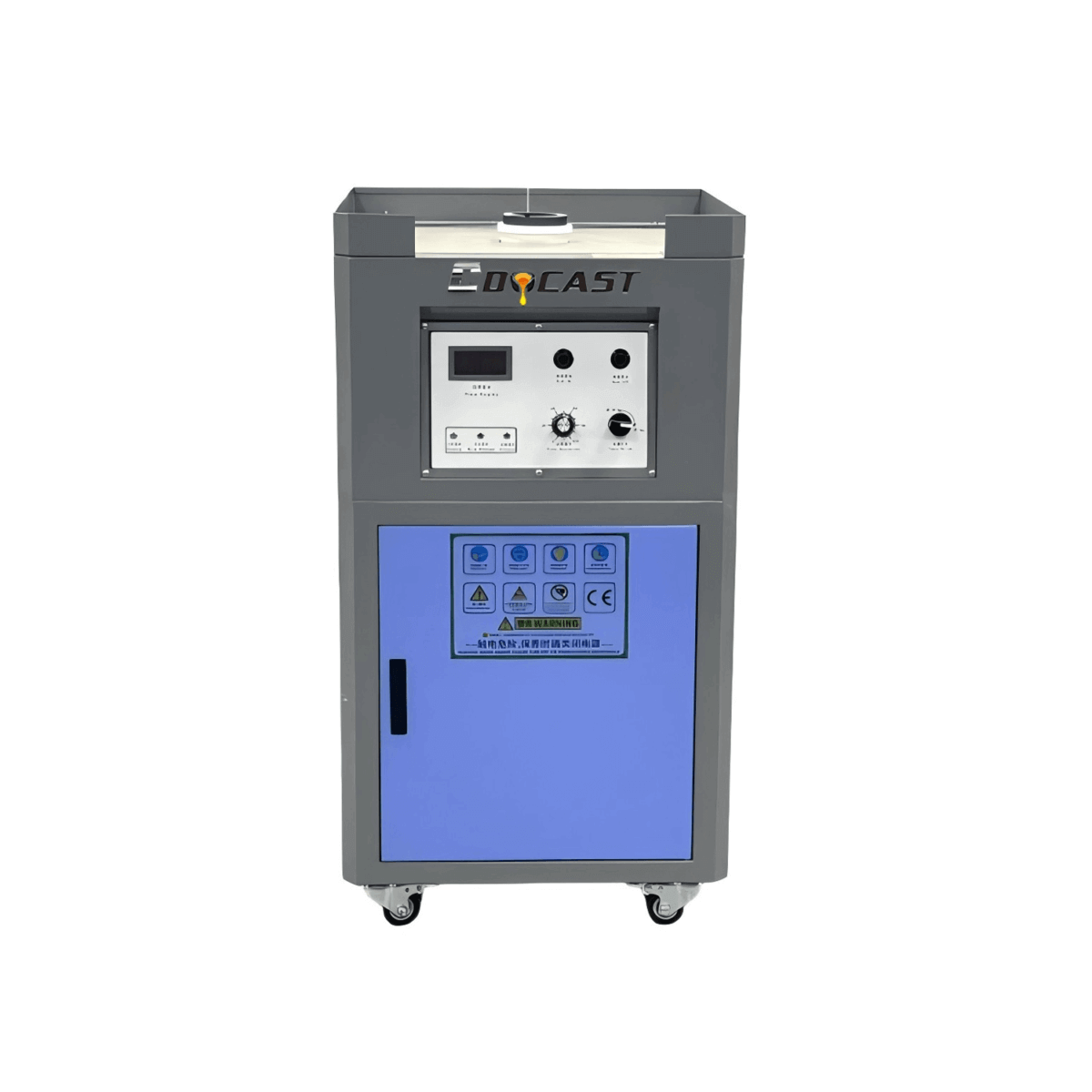
Provide the metal type, starting sheet or wire size, target dimensions, required roller combination, expected production volume and local voltage, phase and frequency.
Does the machine require three-phase power?
The standard table lists 380 V, three-phase, 50/60 Hz. Confirm the available factory electrical supply with CDOCAST before the machine is manufactured.

Configure Your Double Head Rolling Machine

Send CDOCAST your metal type, inlet dimensions, finished size and preferred sheet-or-wire roller combination. The technical team can match the request to the suitable model and roller arrangement.

Contact CDOCAST
Categories
Precious Metal Melting Furnaces

1-15kg Manual Tilting Gold smelting furnace

Manual Pouring · Medium-Frequency Induction Heating

Manual Tilting Gold Smelting Furnace for Controlled Metal Pouring

The CDOCAST CDO-MT26 to CDO-MT31 series combines induction melting, a tilting crucible assembly and an integrated cooling-water pump in one compact cabinet. Standard configurations cover 4–30 kg gold batches for jewelry workshops, precious metal recyclers, refineries and metal casting facilities.

CDO-MT26–31Six standard models
4–30 kgGold batch capacity
2–15 kgSilver batch capacity
15–40 kWAdjustable power
1600°CMaximum temperature
380 VThree-phase supply

Manual Tilting Induction Furnace Core Advantages

Practical features for repeated precious metal melting and direct mold pouring.

01

Induction Heating and Stirring

Medium-frequency induction heating transfers energy directly to the metal charge. Electromagnetic stirring supports a more uniform melt before pouring.

02

Controlled Manual Tilting

The crucible remains in the furnace during pouring. The handle or handwheel helps the operator direct molten metal into a prepared mold without lifting a hot crucible by hand.

03

Integrated Water Pump

A built-in pump simplifies connection to the cooling-water circuit. For frequent or extended operation, select a matching industrial water chiller.

04

Protection and Monitoring

The system includes operating protection for abnormal current, voltage and cooling-water conditions. K-type temperature measurement is available as an option.

Tilting Furnace Configurations

Select the pouring structure according to batch weight, mold position and operator workflow.

1kg to 15kg manual handle tilting gold melting furnace

1–15 kg Manual Handle Tilting Furnace

Recommended for smaller gold melting applications within the 1–15 kg range; the standard model table starts at 4 kg gold capacity. Its compact stationary body and manual handle provide fast, direct control when pouring molten metal into a prepared mold.

▶ Watch Video
30kg handwheel manual tilting gold melting furnace

30 kg Classic Handwheel Furnace

Designed around the standard 30 kg gold capacity CDO-MT31 configuration. The geared manual handwheel provides smoother crucible rotation and more controlled pouring for heavier precious metal batches.

▶ Watch Video
upgraded manual handwheel induction smelting furnace

20–50 kg Upgraded Handwheel Furnace

This upgraded manual tilting layout can be customized for approximately 20–50 kg gold capacity, depending on power and process requirements. Its compact cabinet and handwheel structure suit facilities that need heavier capacity with limited floor space.

▶ Watch Video
heavy motor tilting induction gold smelting furnace

30–50 kg Heavy Motor Tilting Furnace

Motor-driven tilting is recommended for customized 30–50 kg gold melting applications. Powered rotation supports steady pouring and reduces the manual effort required when handling larger molten-metal batches.

▶ Watch Video

Manual Tilting Gold Smelting Furnace Parameters

Compare power, gold and silver capacity, melting time, dimensions and crucible sizes for all standard models.

CDOCAST CDO-MT26 to CDO-MT31 model comparison
SpecificationCDO-MT26CDO-MT27CDO-MT28CDO-MT29CDO-MT30CDO-MT31
Applicable metalsGold, silver, copper, brass, bronze and compatible alloys
VoltageThree-phase, 380 V, 50/60 Hz
Power15 kW20 kW25 kW30 kW35 kW40 kW
Gold capacity4 kg6 kg8 kg10 kg15 kg30 kg
Silver capacity2 kg3 kg4 kg5 kg8 kg15 kg
Typical melting time2–5 min3–6 min5–10 min6–12 min10–15 min15–20 min
Maximum temperature1600°C1600°C1600°C1600°C1600°C1600°C
Temperature measurementOptional K-type temperature measurement
Water pumpEquipped
Machine weight130 kg130 kg130 kg130 kg150 kg200 kg
Dimensions (L×W×H)620×500×980 mm620×500×980 mm730×630×980 mm730×630×980 mm800×700×1050 mm1200×750×1310 mm
Graphite crucibleΦ85×Φ60×136.5 mmΦ105×Φ70×155 mmΦ115×Φ78×183 mmΦ125×Φ90×183 mmΦ150×Φ96×210 mmΦ159×Φ127×240 mm
Quartz sleeveΦ100×Φ80×136 mmΦ120×Φ94×153 mmΦ132×Φ106×180 mmΦ143×Φ112×182 mmΦ150×Φ132×207 mmΦ186×Φ140×252 mm

Melting time is a typical reference range, not a guaranteed cycle time. Actual results depend on the selected model, metal, batch weight, charge size, starting temperature, power supply, crucible condition and operating settings. Confirm the required voltage before ordering.

Crucible, Cooling and Temperature Options

Match consumables and auxiliary equipment to the metal and production schedule.

Graphite Crucible Selection

CDOCAST can configure graphite crucibles according to the model and metal application. Confirm crucible compatibility before processing a new alloy.

  • Use the specified crucible and quartz sleeve dimensions for each model.
  • Keep crucibles dry and inspect them for cracks, oxidation and wall wear.
  • Avoid mechanical shock and sudden temperature changes.
  • Use dedicated handling tools and follow the supplied operating procedure.

Cooling and Monitoring

The built-in pump must be connected to a suitable cooling-water circuit before the furnace is energized.

  • Provide clean circulating water with adequate flow and pressure.
  • Use a matching water chiller for frequent or extended production.
  • Select optional K-type temperature measurement when process monitoring is required.
  • Verify three-phase 380 V power and local electrical compatibility.

Machine Details and Pouring Structure

Product views showing the tilting assembly, cabinet layout and integrated cooling pump.

Precious and Non-Ferrous Metal Applications

The standard parameter table covers compatible metals within the furnace and crucible specifications.

Gold and Silver MeltingBatch melting before ingot, bullion, jewelry or casting production.
Precious Metal RecyclingRemelting compatible clean scrap and prepared feedstock in controlled batches.
Copper and Copper AlloysProcessing copper, brass, bronze and compatible alloys within the selected model specification.
Refinery and Workshop UseManual pouring for precious metal workshops, refineries, laboratories and small foundries.

How to Select the Right Gold Smelting Furnace Model

Capacity alone is not enough; match the complete process requirement before ordering.

Information to Confirm

  • Metal type and maximum batch weight
  • Required batches per hour and daily operating schedule
  • Available three-phase voltage and frequency
  • Mold size, pouring height and preferred tilting structure
  • Temperature monitoring and cooling-water requirements
  • Required crucibles, spare parts and installation support

Typical Model Direction

A 4 kg gold induction melting furnace starts with CDO-MT26, while 10 kg and 15 kg gold smelting applications correspond to CDO-MT29 and CDO-MT30. CDO-MT31 is the standard 30 kg gold melting furnace configuration.

Final selection should also consider silver capacity, melting-time target, electrical supply and the required pouring mechanism.
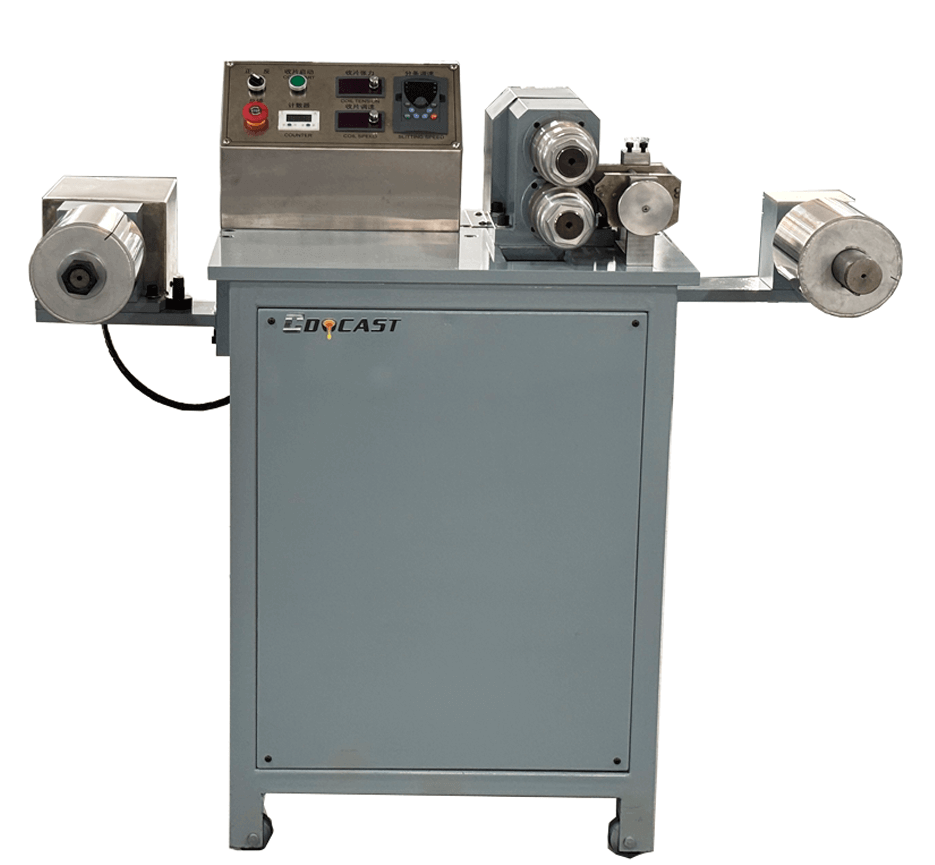
Download the Manual Tilting Furnace Catalog

View the CDOCAST manual tilting metal melting furnace catalog for model selection, machine configuration and purchasing reference.
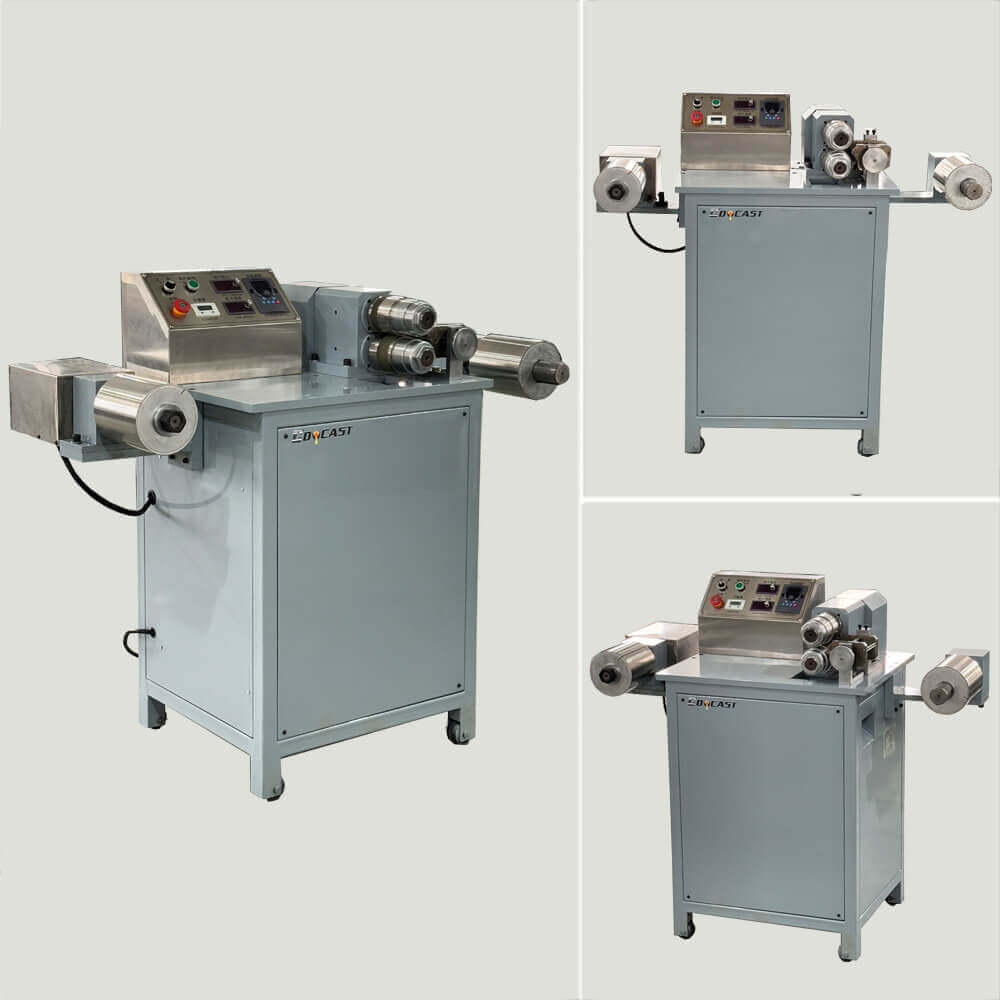
Download PDF Catalog

Manual Tilting Gold Smelting Furnace FAQ

Answers about model selection, temperature, cooling, crucibles and installation.

Which model should I choose for a 10 kg or 15 kg gold batch?

CDO-MT29 is rated for a maximum 10 kg gold batch, while CDO-MT30 is rated for a maximum 15 kg gold batch. Confirm the metal, required melting time, available three-phase power, production frequency and pouring arrangement before ordering.

What is the maximum temperature of the manual tilting gold smelting furnace?

The standard CDO-MT26 to CDO-MT31 models have a listed maximum temperature of 1600°C. Metal compatibility also depends on the selected crucible, batch size, furnace power and operating process.

How long does it take to melt a batch of gold?

Typical melting time ranges from 2–5 minutes for CDO-MT26 to 15–20 minutes for CDO-MT31. Actual time depends on the model, metal, batch weight, charge size, starting temperature, voltage, crucible condition and operating settings.

Can the furnace melt silver, copper, brass and bronze?

Yes. The standard models are specified for gold, silver, copper, brass, bronze and compatible alloys. Confirm the exact alloy, batch weight and crucible requirement with CDOCAST before processing a new material.

Does the induction furnace require a water chiller?

The furnace includes a water pump but still requires a correctly sized cooling-water circuit. A matching industrial water chiller is recommended for frequent or extended operation to maintain stable cooling-water conditions.

What electrical supply is required?

The standard parameter table specifies three-phase 380 V, 50/60 Hz. Electrical standards vary by country and facility, so confirm the available voltage, frequency and site wiring before production.

Why use a manual tilting furnace instead of lifting the crucible?

The tilting structure allows the crucible to remain in the furnace while the operator directs molten metal toward the mold. This can simplify handling and improve pouring control, but trained personnel, protective equipment and a suitable work area are still required.

Is temperature measurement included with the furnace?

K-type temperature measurement is listed as an optional configuration for the CDO-MT26 to CDO-MT31 series. Confirm the required measurement method and control range when requesting a quotation.

Confirm Your Manual Tilting Furnace Configuration

Send CDOCAST the metal, maximum batch weight, voltage, required production rate, cooling conditions and preferred pouring structure for model confirmation.

Contact CDOCAST

CDOCAST / PRODUCT BROCHURE

1-15kg Manual Tilting Gold smelting furnace

Explore equipment specifications, configurations and applications.

English PDF · 12.8 MB

Categories
Precious Metal Melting Furnaces

4-15kg Integrated Gold Melting Machine

Integrated Cabinet · Stationary Non-Tilting Design

4–15 kg Integrated Gold Melting Machine

The CDOCAST CDO-FL26 to CDO-FL31 series combines the induction heating head, solid-state power supply and cooling-water pump in one compact cabinet. This integrated gold melting machine is designed for 4–15 kg gold batches and compatible silver, copper, brass and bronze applications.

CDO-FL26–31Six standard models
4–15 kgGold batch capacity
2–8 kgSilver batch capacity
15–30 kWAdjustable power
1800°CListed maximum
380 VThree-phase supply

Integrated Induction Gold Melting Machine Advantages

Core features for compact installation, controlled melting and manual crucible pouring.

01

IGBT Induction Heating

Induction energy heats the metal charge directly. Electromagnetic stirring supports a more uniform molten bath before the crucible is removed for pouring.

02

One-Piece Cabinet

The furnace head, induction power supply and main controls share one cabinet, reducing floor-space requirements and simplifying workshop layout.

03

Built-In Water Pump

The integrated pump supports connection to a suitable cooling-water circuit. A matching water chiller is recommended for frequent or extended operation.

04

Optional Temperature Measurement

K-type temperature measurement is listed as optional. Confirm the measuring method, range and process requirement before the furnace is configured.

Integrated Cabinet and Non-Tilting Furnace Structure

Two views of the stationary induction furnace and manual-lift crucible arrangement.

4kg to 15kg one-piece induction gold melting machine cabinet

4–15 kg One-Piece Cabinet

Standard CDO-FL models cover 4 kg, 5 kg, 6 kg, 8 kg, 10 kg and 15 kg maximum gold capacity. The compact integrated cabinet is intended for workshops where a separate power-supply cabinet would occupy unnecessary space.

stationary non-tilting induction gold melting furnace structure

Stationary Manual-Lift Crucible Design

The furnace body remains stationary. After melting, trained personnel use suitable crucible tongs and protective equipment to lift the graphite crucible vertically and pour the molten metal into a prepared mold.

Machine and Control Panel Details

These views show integrated, non-tilting furnace construction and its operating controls. Match the final cabinet, crucible and cooling arrangement to the selected CDO-FL model.

Integrated non-tilting gold melting furnace with crucible and manual ingot-pouring views
Integrated furnace and manual crucible pouring

The furnace opening, removable crucible and manually poured ingot examples are shown together. Gold and silver have different batch capacities; use the model table for the selected metal.

View full image
Gold melting furnace control panel with power display, heating buttons and operating indicators
Power adjustment and status indicators

A closer view of the power display, heating controls and operating indicators. Confirm the control panel supplied with your selected configuration.

View full image

Gold Melting and Manual Pouring Process

A clear operating sequence for the stationary non-tilting gold melting furnace.

1. Prepare the ChargeConfirm metal type, batch weight, crucible condition, cooling water and mold preparation.
2. Set the FurnaceConnect three-phase power and cooling, then select operating settings according to the supplied instructions.
3. Complete MeltingMonitor the induction melting cycle and any configured temperature-measurement device.
4. Lift and PourUse suitable tongs, gloves, face protection and a prepared work area to transfer metal into the mold.

Gold Melting Machine Parameters

Compare power, gold and silver capacity, melting time, dimensions and crucible sizes across all six CDO-FL models.

CDOCAST CDO-FL26 to CDO-FL31 model comparison
SpecificationCDO-FL26CDO-FL27CDO-FL28CDO-FL29CDO-FL30CDO-FL31
Applicable metalsGold, silver, copper, brass, bronze and compatible alloys
VoltageThree-phase, 380 V, 50/60 Hz
Power15 kW20 kW20 kW25 kW25 kW30 kW
Gold capacity4 kg5 kg6 kg8 kg10 kg15 kg
Silver capacity2 kg2.5 kg3 kg4 kg5 kg8 kg
Typical melting time2–5 min3–6 min3–6 min5–8 min5–10 min5–10 min
Listed maximum temperature1800°C1800°C1800°C1800°C1800°C1800°C
Temperature measurementOptional K-type temperature measurement
Water pumpEquipped
Machine weight72 kg75 kg78 kg78 kg78 kg100 kg
Dimensions (L×W×H)500×500×860 mm500×500×860 mm500×500×860 mm500×500×860 mm500×500×860 mm650×630×900 mm
Graphite crucibleΦ85×Φ60×136.5 mmΦ100×Φ70×135 mmΦ105×Φ70×155 mmΦ115×Φ78×183 mmΦ125×Φ90×183 mmΦ150×Φ96×210 mm
Quartz sleeveΦ100×Φ80×136 mmΦ120×Φ90×135 mmΦ120×Φ94×153 mmΦ132×Φ106×180 mmΦ143×Φ112×182 mmΦ150×Φ132×207 mm

Melting time is a reference range, not a guaranteed cycle. Actual time and usable process temperature depend on the model, metal, batch weight, charge size, starting temperature, power supply, crucible and quartz sleeve specifications, cooling conditions and operating settings. Confirm voltage and material requirements before ordering.

Crucible, Cooling and Temperature Configuration

Match consumables and auxiliary equipment to the selected model and production schedule.

Graphite Crucible and Quartz Sleeve

Each standard model uses a specified graphite crucible and quartz protective sleeve. Review the dimensions in the parameter table or the CDOCAST graphite crucible page before ordering replacements.

  • Keep the crucible dry and inspect it before every melting cycle.
  • Avoid mechanical shock and sudden temperature changes.
  • Use the correct tongs and protective equipment for manual lifting.
  • Replace worn, oxidized or cracked crucibles before operation.

Cooling and Temperature Measurement

The built-in pump must be connected to a suitable cooling circuit. For frequent production, use a correctly sized industrial water chiller.

  • Provide clean circulating water with adequate flow and pressure.
  • Verify three-phase 380 V power and local electrical compatibility.
  • K-type measurement is optional in the standard parameter table.
  • A measuring device does not increase the furnace operating temperature.

Gold, Silver and Non-Ferrous Metal Applications

The CDO-FL series is designed for compatible metals within the selected model, crucible and operating specifications.

Gold and Silver MeltingBatch melting before ingot, bullion, jewelry or downstream casting production.
Precious Metal RecyclingRemelting compatible clean scrap and prepared feedstock in controlled batches.
Copper and Copper AlloysProcessing copper, brass, bronze and compatible alloys within machine limits.
Workshop and Refinery UseCompact induction melting for jewelry workshops, laboratories, recyclers and refineries.

How to Select the Right Integrated Gold Melting Machine

Choose the model by metal, maximum batch weight, production frequency and site utilities.

Information to Confirm

  • Metal type and maximum batch weight
  • Required batches per hour and daily schedule
  • Available three-phase voltage and frequency
  • Required melting time and temperature measurement
  • Cooling-water conditions and chiller capacity
  • Crucibles, molds, tongs and spare-part requirements

Typical Model Direction

CDO-FL26 is the standard 4 kg gold melting machine, while CDO-FL30 and CDO-FL31 cover maximum 10 kg and 15 kg gold batches. Intermediate 5 kg, 6 kg and 8 kg induction gold melting machine configurations are also available.

Final selection should consider silver capacity, actual cycle target, power supply and the manual crucible-handling process.

Download the Gold Melting Machine Catalog

View the CDOCAST graphite crucible melting furnace catalog for model selection, machine configuration and purchasing reference.

Download PDF Catalog

Integrated Gold Melting Machine FAQ

Answers about capacity, temperature, melting time, cooling, electrical supply and operation.

Which model should I choose for a 10 kg or 15 kg gold batch?

CDO-FL30 is rated for a maximum 10 kg gold batch, while CDO-FL31 is rated for a maximum 15 kg gold batch. Confirm the metal, required melting time, available three-phase power, production frequency and crucible-handling process before ordering.

What is the maximum temperature of the integrated gold melting machine?

The standard CDO-FL26 to CDO-FL31 parameter table lists a maximum temperature of 1800°C. The usable process temperature also depends on the metal, crucible, quartz sleeve, furnace power and operating settings.

How long does the gold melting machine take to melt a batch?

Typical melting time ranges from 2–5 minutes for CDO-FL26 to 5–10 minutes for CDO-FL31. Actual time depends on the model, metal, batch weight, charge size, starting temperature, voltage, crucible condition and operating settings.

Can the machine melt silver, copper, brass and bronze?

Yes. The standard models are specified for gold, silver, copper, brass, bronze and compatible alloys. Confirm the exact alloy, batch weight and crucible requirement with CDOCAST before processing a new material.

Does the furnace require a water chiller?

The machine includes a water pump but still requires a correctly sized cooling-water circuit. A matching industrial water chiller is recommended for frequent or extended production to maintain stable cooling conditions.

What electrical supply is required?

The standard parameter table specifies three-phase 380 V, 50/60 Hz. Electrical standards vary by country and facility, so confirm the available voltage, frequency and site wiring before production.

How is molten metal poured from this non-tilting furnace?

After melting, trained personnel use suitable crucible tongs to lift the graphite crucible vertically and pour the molten metal into a prepared mold. Protective gloves, face protection and a suitable work area are required.

Is temperature measurement included?

K-type temperature measurement is listed as an optional configuration for the CDO-FL26 to CDO-FL31 series. Confirm the required measuring method and range when requesting the machine configuration.

Gold Melting Machine Running Cost and Batch Planning

For a jewelry workshop or precious-metal recycler, the useful output of an integrated gold melting machine is the amount of metal that can be melted, transferred and made ready for the next operation during a working shift. A short melting time alone does not establish hourly production.

Match the charge to the metal, not only the model name

The current CDOCAST comparison table lists CDO-FL30 for a maximum 10 kg gold charge, a 5 kg silver charge and 25 kW rated power. These are different capacity figures for the same machine. Confirm the alloy and usable crucible volume before selecting a gold and silver melting furnace; a gold capacity must not be reused as a silver or copper capacity.

Compare a complete working cycle

Ask for a trial with representative feedstock and the intended batch weight. Record charge preparation, heating, safe crucible transfer, pouring and preparation for the next batch. Identify which tasks can overlap and which require the operator to wait. This gives a more useful production estimate than dividing one hour by the shortest listed heating time.

Separate rated power from electricity consumption

Rated input in kW describes power, not the energy used for a batch. Compare measured kWh per completed batch and include the cooling equipment when evaluating gold melting machine running cost. Record the starting metal temperature and charge condition so that a cold-start test is not compared with an already-hot furnace cycle.

What to Include in a Gold Melting Furnace Quotation

A useful quotation identifies the furnace model, compatible crucible and sleeve, temperature-measurement configuration, cooling-water package, handling tools and initial spare parts. Separate the machine price from the cost of a chiller, consumables and destination-side electrical work.

Before shipment, agree how batch capacity and melting performance will be demonstrated. The record should identify the actual machine, metal, charge weight, supply conditions, heating time and cooling arrangement. A general operating video is useful, but it does not replace a test record for the proposed configuration.

For installation, provide the workshop supply, available cooling-water conditions and a clear route for loading and pouring. The integrated water pump is not itself a complete heat-rejection system. Confirm the required cooling connection and temperature-measurement range against the supplied equipment documentation before commissioning. The listed maximum temperature and the optional K-type measurement range are separate specifications; confirm the required process temperature and a matching temperature-measurement configuration.

For projects requiring controlled tilting or enclosed bullion casting rather than manual crucible transfer, compare the appropriate furnace or vacuum gold bar making machine before deciding on the production route.

Confirm Your Gold Melting Machine Configuration

Send CDOCAST the metal, maximum batch weight, voltage, required production rate, cooling conditions and temperature-measurement requirement for model confirmation.

Contact CDOCAST

CDOCAST / PRODUCT BROCHURE

4-15kg Integrated Gold Melting Machine

Explore equipment specifications, configurations and applications.

English PDF · 10.1 MB

Categories
Metal Forming Machine

Metal Slitting Machine

Precision Slitting · Tension Control · Unwind and Rewind

Metal Slitting Machine for Gold, Silver and Precious Metal Strip

CDOCAST metal strip slitting machines divide rolled gold, silver, platinum, copper and alloy coils into narrower strips. Four configurations cover torque-motor rewinding, magnetic-powder clutch rewinding, high-precision servo rewinding and heated slitting.

0.05–1 mmSlitting thickness by configuration
≤80 / 100 / 150 mmAvailable strip-width classes
HRC 62–64Slitting knife hardness
4 ConfigurationsTorque, magnetic-powder, servo and hot slitting

What Is a Precision Metal Slitting Machine?

A metal slitting machine uses rotary knives to cut a wide metal coil or strip longitudinally into several narrower coils. For precious metals, accurate knife spacing, stable strip guidance and controlled rewind tension are essential because thin gold, silver and platinum strip can wrinkle, stretch, wander or develop excessive burrs when tension and tooling are poorly matched.

The CDOCAST range integrates unwinding, rotary slitting, frequency-controlled line speed and rewinding. Depending on the strip and accuracy requirement, the rewinder can use a torque motor, magnetic-powder clutch or servo motor; a heated-knife model is also available for suitable processing applications. The same platform can be configured as a gold strip slitting machine, silver strip slitting machine or precision copper and alloy strip slitter.

  • Suitable for gold, silver, platinum, copper and alloy strip.
  • Used for bracelets, jewelry strip, blanks and narrow precision components.
  • DC53 or W18 knives, spacing and quantity can be matched to the required slit pattern.
precious metal coil slitting line with unwind cutting and rewind sections
A practical slitting line must coordinate coil alignment, rotary knives and rewind tension.

Metal Slitting Machine Configurations

Choose the rewinding and cutting system according to strip thickness, target width, tension stability and whether heated slitting is required.

Economical Rewinding

2P Slitting Machine with Torque Motor Coiler

2P metal slitting machine with torque motor coiler

A compact ≤100 mm metal strip slitting machine with a 120 W torque-motor coiler.

Strip thickness0.1–1 mm
Slitting width≤100 mm, customized
Main / coiler motor1.1 kW / 120 W
Line speed0–30 m/min
Weight300 kg
Controlled Coil Tension

2P Slitting Machine with Magnetic-Powder Clutch Coiler

2P metal slitting machine with magnetic powder clutch coilermagnetic powder coiler and copper strip rewinding detail

The ≤100 mm configuration adds a magnetic-powder coiler for adjustable rewind torque.

Strip thickness0.1–1 mm
Slitting width≤100 mm, customized
Main / coiler motor1.5 kW / 0.75 kW
Magnetic-powder coiler2.5 kg
Weight310 kg
Thin Strip and Wider Material

High-Precision Servo Slitting Machine

high precision metal slitting machine with servo coilerthin metal strip and multiple slit coil results

A ≤150 mm precision metal slitter with a 450 W servo coiler for strip down to 0.05 mm.

Strip thickness0.05–1 mm
Slitting width≤150 mm
Main / coiler motor1.1 kW / 450 W servo
Line speed0–30 m/min
Weight500 kg
Adjustable Heated Knives

2P Hot Slitting Machine

2P hot slitting machine with adjustable heated knife

A compact hot slitting machine with adjustable knife temperature for ≤80 mm material.

Strip thickness0.05–1 mm
Slitting width≤80 mm
Main motor1.1 kW
Knife temperature0–200°C
Weight350 kg

Metal Slitting Machine Parameters

The four models share hardened DC53/W18 rotary knives and frequency-controlled speed, but differ in rewinding method, working width and minimum strip thickness.

Torque-motor, magnetic-powder, high-precision servo and hot slitting machine specifications
SpecificationTorque Motor CoilerMagnetic-Powder CoilerHigh-Precision Servo2P Hot Slitting
Machine size (L×W×H)1360×770×1200 mm1360×770×1200 mm1726×1100×1130 mm1380×860×1170 mm
Machine weight300 kg310 kg500 kg350 kg
Main motor1.1 kW1.5 kW1.1 kW1.1 kW
Voltage3 phase 380 V3 phase 380 V380 V3 phase 380 V
Coiler drive120 W torque motor0.75 kW magnetic-powder coiler450 W servo motor—
Magnetic-powder coiler—2.5 kg——
Slitting knife hardnessHRC 62–64HRC 62–64HRC 62–64HRC 62–64
Slitting knife materialDC53 / W18DC53 / W18DC53 / W18DC53 / W18
Slitting thickness0.1–1 mm0.1–1 mm0.05–1 mm0.05–1 mm
Slitting width≤100 mm, customized≤100 mm, customized≤150 mm≤80 mm
Slitting speed0–30 m/min, frequency control0–30 m/min, frequency control0–30 m/min, frequency control0–30 m/min, frequency control
Knife temperature———0–200°C
Selection guide: choose the torque-motor model for straightforward ≤100 mm work, the magnetic-powder model when adjustable rewind torque is important, the servo model for 0.05 mm thin strip or widths up to 150 mm, and the hot slitting model when an adjustable heated knife is required.

Automatic Metal Strip Slitting Process

Stable edge quality depends on the complete coil path, not only on blade hardness.

Coil Loading and Alignment

The master coil is centered and guided so the strip enters the knife shaft without lateral wandering.

Controlled Unwinding

Brake or clutch torque maintains stable incoming tension without stretching delicate precious-metal strip.

Rotary Knife Slitting

Knife spacing, overlap and side clearance are set for the material, thickness and required strip widths.

Separated Strip Rewinding

The slit strands are kept separated and rewound with controlled torque into stable finished coils.

Information Needed for a Metal Slitting Machine Quotation

Provide a slit plan, not only the master-coil width. This prevents incorrect knife, spacer and rewinder selection.

Material and HardnessState gold, silver, platinum, copper, alloy or other metal and provide temper or hardness information.
Master Coil DimensionsProvide incoming width, thickness, coil inside diameter, outside diameter and maximum coil weight.
Finished Strip PatternList every required strip width, strip quantity, edge-trim width and acceptable material loss.
Edge-Quality RequirementDefine allowable burr, width tolerance, camber, scratches and whether later edge finishing is available.
Production OutputSpecify target line speed, kilograms per hour, shifts and typical batch or coil length.
Rewinding RequirementState finished coil ID/OD, coil weight, separator method and required tension range.

Related Strip Processing Equipment

Connect slitting with rolling, thickness control and cross-cutting according to the required finished product.

Metal Slitting Machine FAQ

Purchasing answers for precious-metal workshops comparing strip slitting equipment.

What metals can the CDOCAST slitting machine process?

The machine is designed for precious-metal and suitable non-ferrous strip, including gold, silver, copper, platinum and alloy material. Knife clearance, tension and speed must be matched to the specific metal and temper.

What strip thickness can be slit?

The torque-motor and magnetic-powder models are specified for 0.1–1 mm strip. The high-precision servo and hot slitting models extend the minimum thickness to 0.05 mm.

Which working widths are available?

The torque-motor and magnetic-powder machines support customized widths up to 100 mm. The high-precision servo machine supports up to 150 mm, while the 2P hot slitting machine supports up to 80 mm.

How should I choose between torque, magnetic-powder and servo rewinding?

A torque motor is suitable for straightforward rewinding. A magnetic-powder clutch provides adjustable rewind torque, while servo rewinding is intended for higher-control thin-strip applications and the wider high-precision configuration.

What is the hot slitting machine used for?

The 2P hot slitting machine provides adjustable knife temperature from 0 to 200°C. Whether heated slitting suits a specific material should be confirmed from the strip composition, coating or process requirement.

What determines slitting burr and strip-width accuracy?

Important factors include knife material and sharpness, side clearance, knife overlap, spacer accuracy, shaft rigidity, strip thickness, incoming alignment, tension and speed.

What information is required for a metal slitting machine price?

Provide the material, master-coil width and thickness, coil ID/OD and weight, finished strip widths and quantities, burr tolerance, required rewinding method, line speed and factory voltage.

Need a Precious Metal Strip Slitting Solution?

Send CDOCAST your master-coil specification, finished strip-width plan, edge-quality requirement and hourly output for a matched slitter and rewinder configuration.

Request a Configuration
Categories
Precious Metal Melting Furnaces

Platinum Melting Furnace

High-Temperature IGBT Induction Melting

Platinum Melting Furnace for Platinum and Palladium

The CDOCAST platinum melting furnace series is designed for platinum, palladium and compatible high-temperature metals. This induction platinum melting furnace range includes standard CDO-FM16 to CDO-FM20 models for 1–10 kg platinum batches, while larger tilting configurations are available for customized production requirements.

CDO-FM16–20Five standard models
1–10 kgStandard platinum capacity
15–30 kWAdjustable power
2000°CWith quartz crucible
2600°CWith zirconia crucible
380 VThree-phase standard

Platinum Induction Melting Furnace Advantages

Core features for high-temperature precious metal melting and controlled production.

01

High-Temperature Induction Heating

IGBT induction power transfers energy directly to the metal charge. Actual process temperature depends on the machine, crucible, metal and operating settings.

02

Electromagnetic Stirring

Induction heating creates melt movement that supports more uniform temperature and alloy distribution before pouring.

03

Built-In Cooling Pump

The integrated pump connects to the cooling-water circuit. A suitable industrial chiller is recommended for frequent or extended production.

04

Optional Infrared Measurement

An infrared pyrometer can be configured for non-contact monitoring. Surface condition and dross can affect measurement accuracy.

Platinum Melting Furnace Configurations

Choose the furnace structure according to capacity, crucible handling, mold position and production workflow.

1kg to 15kg integrated platinum melting furnace

1–15 kg Integrated Platinum Furnace

Integrated stationary configuration for platinum and palladium batches from 1 kg to 15 kg. Standard CDO-FM models cover 1 kg, 3 kg, 5 kg, 8 kg and 10 kg platinum capacities, while the 15 kg version is supplied as a customized configuration.

▶ Watch Video
platinum melting furnace with infrared temperature measurement

Infrared Temperature Platinum Furnace

Optional non-contact monitoring can help operators observe the molten-metal surface temperature. Configuration and accuracy depend on the measurement range, emissivity, surface condition and process setup.

▶ Watch Video
manual tilting platinum melting furnace

Manual Tilting Platinum Furnace

The manual tilting structure positions the mold near the pouring side of the furnace for controlled direct pouring. Final capacity, power and mold arrangement can be configured for the production requirement.

▶ Watch Video
30kg manual handwheel platinum melting furnace

30 kg Manual Handwheel Furnace

A customized heavy-duty configuration for approximately 30 kg platinum capacity. The geared manual handwheel supports controlled furnace rotation when pouring larger molten-metal batches.

▶ Watch Video

Platinum Melting Furnace Parameters

Standard CDO-FM16 to CDO-FM20 power, capacity, melting time, dimensions and crucible sizes.

CDOCAST CDO-FM16 to CDO-FM20 standard model comparison
SpecificationCDO-FM16CDO-FM17CDO-FM18CDO-FM19CDO-FM20
Applicable metalsPlatinum, palladium, steel, stainless steel and compatible high-temperature metals
VoltageThree-phase, 380 V, 50/60 Hz
Power15 kW20 kW25 kW30 kW30 kW
Platinum capacity1 kg3 kg5 kg8 kg10 kg
Typical melting time1–3 min2–4 min2–5 min3–8 min3–10 min
Maximum temperature2000°C with quartz crucible / 2600°C with zirconia crucible
Cooling methodWater cooling with built-in pump
Machine weight72 kg72 kg75 kg78 kg78 kg
Dimensions (L×W×H)500×500×860 mm500×500×860 mm500×500×860 mm500×500×860 mm500×500×860 mm
Crucible outer diameterΦ60 mmΦ86 mmΦ90 mmΦ146 mmΦ146 mm
Crucible inner diameterΦ46 mmΦ60 mmΦ65 mmΦ90 mmΦ100 mm
Crucible height100 mm120 mm155 mm190 mm190 mm

The temperatures above are equipment and crucible configuration limits from the current model table, not guaranteed molten-metal temperatures for every process. Actual results depend on the model, crucible material, metal, batch weight, power supply, cooling, measurement method and operating settings. Confirm the required metal and capacity before ordering.

Quartz and Zirconia Crucible Selection

Crucible material affects temperature capability, service life, cost and operating procedure.

Quartz Crucible

The standard table lists up to 2000°C with a quartz crucible, but quartz service life can decrease rapidly during repeated high-temperature platinum operation.

  • Lower initial consumable cost
  • Suitable for selected small-batch and intermittent processes
  • Inspect for softening, devitrification, erosion and cracks
  • Actual reuse depends on temperature and operating practice

Zirconia Crucible

The current model table lists up to 2600°C with a zirconia crucible. This option offers a wider temperature margin for demanding platinum, palladium and rhodium processes.

  • Higher temperature capability and chemical stability
  • Higher purchase cost than quartz
  • May require controlled preheating and trained handling
  • Confirm metal compatibility and the supplied procedure

Cooling, Temperature Measurement and Installation

High-temperature melting requires correctly sized utilities and trained operation.

Cooling and Electrical Supply

  • Standard models specify three-phase 380 V, 50/60 Hz.
  • The built-in pump still requires a suitable cooling-water circuit.
  • Use a matching industrial water chiller for frequent production.
  • Confirm local voltage, wiring, water flow and pressure before installation.

Infrared Temperature Measurement

  • Infrared monitoring is an optional configuration.
  • Emissivity, dross and surface condition can affect readings.
  • The device must be matched to the required temperature range.
  • A measuring device does not increase furnace temperature capability.

Platinum, Palladium and High-Temperature Applications

Confirm each metal, alloy and crucible combination before processing.

Platinum MeltingControlled batches for jewelry, refining, alloy preparation and laboratory work.
Palladium and RhodiumHigh-temperature precious metal processing with a compatible crucible configuration.
Steel and Stainless SteelSelected high-temperature alloy melting within equipment and crucible limits.
Refinery and Laboratory UseInduction melting for precious metal refineries, research facilities and specialist workshops.

How to Select a Platinum Melting Furnace

Choose the complete system by metal, capacity, temperature, crucible and pouring method.

Information to Confirm

  • Metal or alloy and maximum batch weight
  • Quartz or zirconia crucible requirement
  • Integrated manual-lift or tilting pouring structure
  • Available voltage, frequency and cooling conditions
  • Required cycle time and infrared measurement range
  • Daily production schedule and consumable demand

Standard Model Direction

CDO-FM16 is the standard 1 kg platinum melting furnace. CDO-FM18 and CDO-FM20 cover maximum 5 kg and 10 kg platinum batches. Larger 15 kg and 30 kg platinum induction furnace requirements are customized and should not be selected only from the standard table.

Final selection must also account for crucible material, pouring method and site utilities.

Download the Platinum Melting Furnace Catalog

View the CDOCAST quartz crucible melting furnace catalog for model selection, crucible configuration and purchasing reference.

Download PDF Catalog

Platinum Melting Furnace FAQ

Answers about temperature, melting time, electromagnetic stirring, furnace structure, voltage, cooling, warranty and crucible selection.

What is the maximum temperature of this furnace? Can it melt metals other than platinum?

The platinum melting furnace can reach up to 2000°C with a quartz crucible and up to 2600°C with a zirconia crucible. It can be configured for platinum, palladium, rhodium and compatible high-temperature metals such as steel and stainless steel. The appropriate crucible and operating settings depend on the metal and process.

How long does it typically take to melt 1 kg of platinum?

The CDO-FM16 typically melts a 1 kg platinum batch in approximately 1–3 minutes. Actual melting time varies with the starting temperature, charge form, power supply, crucible condition, cooling and operating settings.

How does the electromagnetic stirring function benefit metal quality?

Induction heating naturally creates electromagnetic stirring in the molten metal. This circulation helps distribute heat and alloying elements more uniformly, reducing segregation and supporting more consistent platinum and precious-metal alloy preparation.

How do I choose between the integrated and tilting models?

With an integrated stationary model, trained personnel remove the crucible using suitable tongs and pour into a separate mold. A manual tilting platinum furnace rotates toward the prepared mold for controlled direct pouring and is commonly selected for larger batches. The tilting structure can also help preheat the pouring area and reduce premature solidification near the spout.

Can the furnace be customized for my country's voltage instead of 380 V?

The standard specification is three-phase 380 V, 50/60 Hz. Alternative electrical configurations such as 220 V or 440 V may be available according to the model and local power supply. Confirm the required voltage, phase and frequency with CDOCAST before manufacturing.

Does this machine require an external water chiller to operate?

The furnace includes a built-in water pump but still requires a correctly sized cooling-water circuit. A water tank may be suitable for short or intermittent operation, while an external industrial water chiller is recommended for frequent or continuous high-temperature production.

What is the warranty policy if the machine malfunctions?

CDOCAST provides a two-year warranty for the platinum melting furnace. Warranty coverage applies to eligible quality-related faults under the agreed sales terms; consumables, incorrect operation and normal wear are not treated as manufacturing defects. Confirm the detailed warranty scope with the quotation or contract.

How can I precisely control the melting temperature to prevent metal overheating?

The furnace can be equipped with an optional infrared pyrometer for non-contact monitoring of the molten-metal surface. Its accuracy depends on the measurement range, emissivity, surface condition and process setup. Dross or scum can affect the reading, so the pyrometer should not be used as the only process-control reference when the surface is heavily contaminated.

Are the crucibles consumables? What is their typical lifespan?

Yes. Quartz and zirconia crucibles are consumable parts, and their service life depends on the metal, working temperature, heating cycle and handling method. A quartz crucible may be reused for several cycles under suitable conditions, but no fixed lifespan can be guaranteed for every process. Replacement crucibles are available in multiple capacities.

Can I use a zirconia crucible? What are the advantages and disadvantages compared with a quartz crucible?

Yes. A zirconia crucible provides a wider high-temperature margin and strong chemical stability, making it suitable for demanding platinum, palladium and rhodium melting, but it costs more and normally requires careful preheating and handling. A quartz crucible is more economical and has good thermal-shock resistance, but its service life is shorter at sustained platinum-melting temperatures. Select the crucible according to the metal, purity requirement, operating temperature and production schedule.

Confirm Your Platinum Furnace Configuration

Send CDOCAST the metal, maximum batch weight, crucible preference, voltage, production rate, cooling conditions and pouring method for model confirmation.

Contact CDOCAST

CDOCAST / PRODUCT BROCHURE

Platinum Melting Furnace

Explore equipment specifications, configurations and applications.

English PDF · 5.6 MB

Categories
Precious Metal Melting Furnaces

Push Out Metal Melting Equipment

push out furnace
push out furnace
push out furnace-1

1Finished Products1

[sp_wpcarousel id=”8618″]

1Product Details1

[What is Push Out  Metal Melting Equipment]

Push Out Metel Melting Equipment is a lifting metal melting furnace. It can lift the furnace body from the ground to a predetermined height through a lifting mechanism so that the crucible is completely located in the furnace body, and then heated and melted.

Discover the future of metal melting with our cutting-edge  Push out Design Medium Frequency Melting Furnace—engineered for efficiency, safety, and unmatched performance. Designed for foundries, jewelers, and precision casting applications, this furnace combines advanced medium frequency induction technology with a unique bottom-release mechanism for seamless operation.

Push Out Metal Melting Equipment usually consists of a furnace body and a lifting mechanism. An induction coil is provided inside the furnace body. The furnace body is raised to a predetermined height through a lifting mechanism, and the crucible is heated to melt the metal. When the metal reaches the required temperature or is smelted, the lifting mechanism lowers it back to the ground.

The push out melting equipment has the advantages of high efficiency, high precision, and a high degree of automation. It is suitable for heating and smelting various metal materials, such as iron, steel, copper, aluminum, etc. In industrial production, it is widely used, especially in the steel and non-ferrous metal smelting industries.

Why Choose Our Push Out  Small Metal Melting Furnace?

Our unique Push out  structure sets us apart. By eliminating traditional tilting mechanisms, we minimize spill risks, improve operator safety, and ensure a smoother workflow. The automated exposure of the crucible streamlines the pouring process, making it ideal for high-frequency melting operations where speed and accuracy are critical.

Applications:

  • Precision casting of jewelry, dental alloys, and decorative items.

  • Small to medium-scale foundries for non-ferrous metal production.

  • Research and development labs requiring consistent melting conditions.

Machine Pictures

30-100KG Push Out Melting Equipment

Click here to watch the operation videopush out furnace detail

push out furnace-2

Parameter

Model numberCDO-PO40CDO-PO45CDO-PO60CDO-PO70
Applicable metalGold, Silver, Copper, Brass, Bronze, and their alloys
Voltage3p, 380V, 50/60Hz3P, 380 V, 50/60Hz3P, 380 V, 50/60Hz3P, 380 V, 50/60Hz
Power40 Kw45 Kw60 Kw70 Kw
Capacity30KG silver50KG silver80KG silver100KG silver
Melting time10-20 min15-25 min10-20 min15-30 min
DimensionControl box: 650*600*1300mm
Furnace: 410*475*320mm
Control box: 650*600*1300mm
Furnace: 410*475*320mm
Control box: 800*730*1560mm
Furnace: 880*1100*2240mm
Control box: 800*730*1560mm
Furnace: 880*1100*2240mm
Max temperature1800℃1800℃1800℃1800℃
Weight500 KG560 KG680 KG700 KG

Click the link to get the crucible size

Feature

Key Features:

  • Advanced Medium Frequency Induction Technology: Ensures rapid, uniform heating with exceptional energy efficiency, reducing melting times and operational costs.

  • Exclusive Bottom-Exit Design: After melting, the furnace body descends automatically, fully exposing the silicon carbide graphite crucible for easy access. No more risky tilting or manual handling!

  • Premium Silicon Carbide Graphite Crucible: Built to withstand extreme temperatures, ensuring longevity and consistent melting performance for non-ferrous metals like gold, silver, copper, and aluminum.

  • Crucible Tongs Integration: Designed to work seamlessly with crucible tongs, allowing operators to safely extract the crucible and pour molten metal directly into molds with precision.

  • Compact & Space-Saving: Ideal for facilities with limited space, this furnace delivers industrial-grade capacity without the bulk.

  • User-Friendly Control System: Intuitive interfaces enable precise temperature control and process automation, reducing human error and enhancing reproducibility.

Compact lifting furnace with upper cylindrical chamber and front control panel

Adopting a lifting design instead of an embedded design, making it easy to replace the crucible

Glowing crucible inside an open induction melting furnace in the workshop

Take out the crucible by crucible tong or mobile hanging clamp.

push out furnace-2

Crucibles of different capacities and materials can be used for easy replacement

Summary